Stephen King’s “Cujo” isn’t just a tale about a rabid dog; it’s an iconic narrative steeped in layers of horror, fear, and the chilling unpredictability of life. Through a canvas of horror, King intertwines the mundane with the devastating, prompting us to confront our inner fears. So grab your favorite beverage, settle in, and let’s unfold the fierce legend that is “Cujo.”
7 Haunting Features that Make Cujo a Horror Icon
1. The Setting: A Small Town Gone Awry
Set in the quaint confines of Castle Rock, Maine, “Cujo” juxtaposes the idyllic charm of small-town living with the nightmare that unfolds. Here in this supposed paradise, calm transforms into chaos, amplifying the sense of claustrophobia. The familiarity of the setting makes the horror feel all the more personal, pulling you into the chaos with every heart-stopping scene.
2. The Unpredictability of Nature
Who knew a dog, once a gentle giant, could transform into a ferocious beast? Cujo’s transition from a lovable Saint Bernard to a rabid monster exemplifies nature’s capriciousness. This chilling transformation isn’t just a Halloween story—it’s a stark reminder that disaster can strike without warning, much like an unexpected downpour during a picnic. It echoes the injustices of life; one minute you’re basking in the sun, and the next, you’re dodging rain clouds.
3. Familial Dynamics: A Fractured Foundation
Enter the Trenton family, whose dysfunctional relationships only heighten the impending dread. A divorced couple grappling with their own troubles groups up with the horror of Cujo, leaving readers to ponder: what truly is the more monstrous entity? The chaotic dog or the unresolved family issues? Their fractures make the horror more palpable, asking us to consider if our personal lives are monsters lurking just out of sight.
4. The Use of Symbolism: Cujo as a Mirror
Cujo represents more than just terror; he embodies our diverse fears—of uncertainty, loss of control, and rejection. The fierce dog serves a dual purpose, acting as both predator and mirror. Through Cujo, each character faces their worst fears, pushing them to contend with realities they wish to avoid. Picture the moments of sheer panic in the Kermit meme, encapsulating that helpless feeling when staring at your own demons.
5. Cultural References: Cujo in Pop Culture
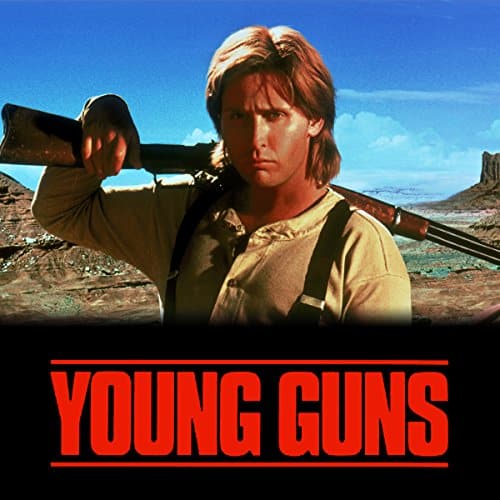
Cujo hasn’t confined himself to the pages of literature alone. He’s a titan, having transcended into pop culture, appearing in various adaptations, merchandise, and even parodies. Films like “Silverado” offer nods to King’s masterful storytelling. Cujo’s legacy continues to influence how we depict animals with sinister undertones—a fascination that even seeps into media featuring crafty foxes like the one from Zootopia.
6. Influences of Other Icons: The Batista of Horror
Step aside, baseball greats; Cujo has secured his position among the titan horror icons like “Jaws” and “The Exorcist.” Much like how David Ortiz swung for the fences, Cujo delivers bone-chilling suspense with the finesse and power of a baseball slugger. This tale doesn’t just garner attention; it leaves an unmistakable mark on readers and filmmakers alike.
7. Lasting Legacy: Cujo’s Impact on the Horror Genre
Even over four decades since its release, “Cujo” continues to ripple through the horror landscape, ushering in themes of fear and survival. The influences are palpable in today’s psychological thrillers, much like how Ayrton Senna’s tenacity echoes through motorsport history. King’s story isn’t just a read; it serves as a catalyst for discussions on our struggles against life’s maligned forces.

Analyzing Cujo’s Cultural Relevance Over the Decades
Since its 1981 debut, Cujo’s powerful narrative roars like a lion in the horror jungle. Themes of primal fear manifest anew as society copes with rising anxieties. Many relate to Cujo’s turmoil—consider how recent crises stirred our collective consciousness. His story reminds us that even in tranquil settings, terror can lurk just beneath the surface.
Modern parallels arise when analyzing the nature of fear; much like how David Ortiz inspired fans with every swing, Cujo holds readers in suspense, making them question their grip on reality. The fears of losing control, in countless ways, resonate strongly with our daily lives. This relentless battle against chaos—paralleled with the iconic figure of Ayrton Senna—challenges us to confront the monsters lurking, whether they be external threats or internal struggles.
Through analyzing Cujo’s themes, we unveil the story’s gripping relevance today. It’s a reflection on how fear disrupts our cozy lives. This fusion of horror and real-world implications reinforces King’s extraordinary narrative prowess, cementing “Cujo” not merely as a tale of fear but as a cultural beacon. Exploring our fears alongside Cujo’s fury invites us to embrace and confront our own vulnerabilities, making it not just a horror story, but a cornerstone of our cultural dialogue.
In conclusion, Cujo stands tall amid the pantheon of horror, not just thrilling readers but challenging them to take a close look at their own fears. The fierce energy and cultural resonance of this tale remind us that some legends transcend the mundane. The monstrous may not only linger in the shadows—it might live, shockingly, among us.
Cujo: The Fierce Legend Behind Stephen King’s Horror Icon
A Brief History of Cujo
Did you know that Stephen King drew inspiration for Cujo from a terrifying encounter with a rabid dog? This personal experience sparked the creation of a horror tale that resonated with many readers. It’s fascinating to think that something so fear-inducing could thrive in a simple plot about a dog, reminiscent of classic cartoons like Tom And Jerry, where mischief often leads to chaotic scenarios. Rather than fluffy antics, Cujo takes us down a dark path, exploring fear in familiar settings, which is part of what makes it unforgettable.
From Page to Screen
When it came time to adapt Cujo into a film, the challenge was to capture the raw intensity King conveyed in his writing. Released in 1983, the movie played on the primal fear of dogs, akin to icons like Fox From Zootopia, which showcases a lighter take on anthropomorphic animals. Interestingly, the film’s marketing was quite savvy, appealing to audiences by tapping into the era’s fascination with horror, reminiscent of how critics react to films today, which you can find analyzed on platforms like Rotten Tomatoes.
Cultural Impact and Fun Facts
Cujo has permeated pop culture in ways that might surprise you! Its bleak yet gripping story paved the way for discussions about fears and phobias. While many horror fans appreciate these discussions, they also appreciate cultural phenomena like Dancing With The Stars, showcasing just how flexible the world of entertainment can be. Imagine pairing a horror classic with a talent showcase! Plus, there’s something chilling yet captivating about a rabid dog that can influence societal norms, as seen in the dramatic shifts led by historical figures, including Fidel Castro, leader of Cuba, who captured the world’s attention during times of great uncertainty.
In the end, whether you’re consuming the Cujo novel, watching its film adaptation, or even sharing stories in hot pot Restaurants with friends, the ferocity behind King’s creation continues to evoke reactions, affirming its staying power in our culture. How’s that for a bite out of horror?