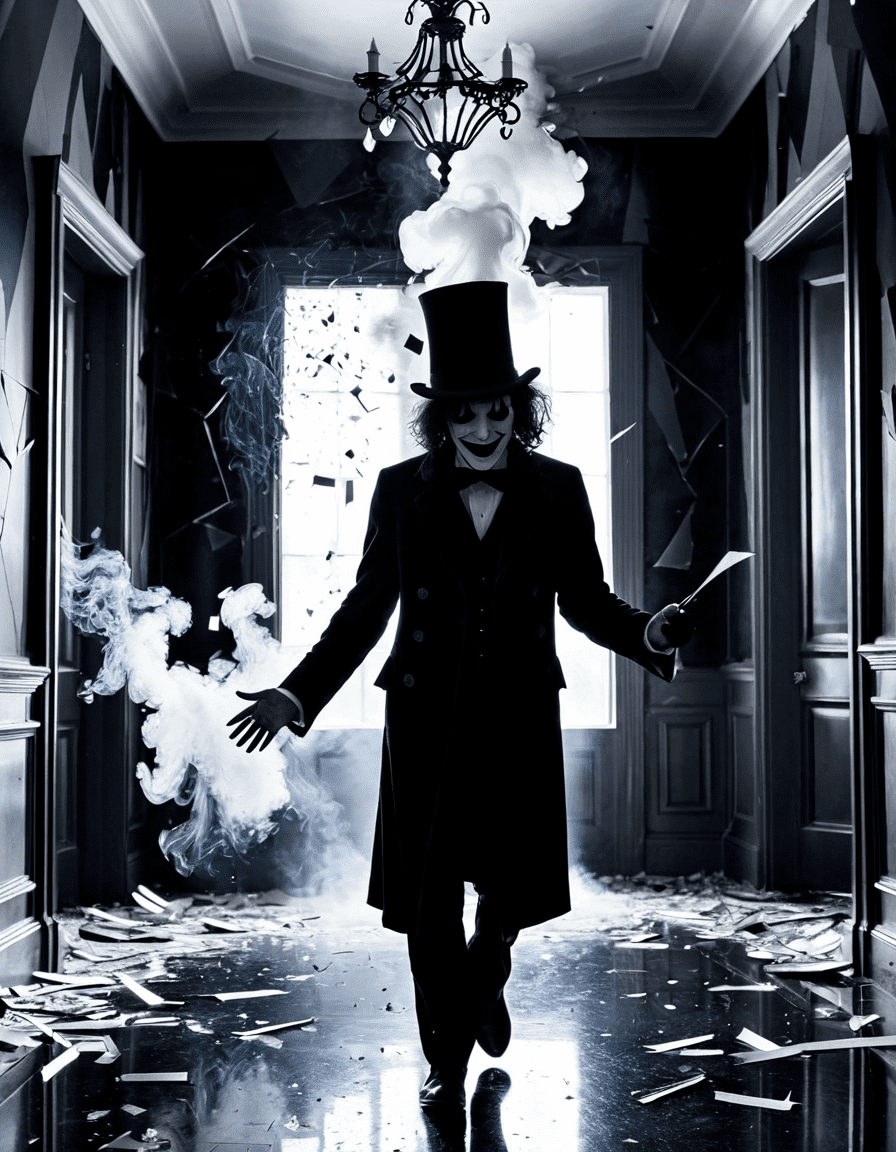
In the shadowy realm of intelligence gathering, where danger intertwines with creativity, the art of espionage unfolds like a gripping screenplay. The cloak and dagger motif conjures images of daring spies, secret missions, and clandestine meetings. Much like a beautifully crafted couture gown, espionage is intricate and often fraught with peril. From intelligence-gathering techniques to modern ethical dilemmas, we delve into the captivating yet treacherous world of espionage—a space where beauty meets the beast.
7 Intriguing Real-World Espionage Techniques: The Beauty and the Beast of Intelligence Gathering
Espionage dances between glamour and grit, a narrative spun of elegance and the harsh realities that operatives face. Here are seven techniques that illustrate the captivating artistry of intelligence gathering—each revealing a facet of the seductive yet threatening world of cloak and dagger.
At the core of espionage lies HUMINT, where agents build relationships akin to the transformation between Beauty and the Beast. In high-risk regions, like parts of the Middle East, intelligence figures must adapt and charm to gain trust. Think about the CIA’s nuances in recruitment strategies—trust can often outweigh even the most sophisticated technology.
Much like a stylishly concealed eavesdropper at a glamorous gala, SIGINT involves intercepting electronic communications. Utilizing algorithms, companies like Palantir Technologies extract tangible patterns from the digital chatter. The allure resembles couture design, hiding the beastly reality: a dramatic loss of privacy for individuals.
In the world of technology, nations like Russia and China have mastered cyber espionage—an arena as intricate as high fashion. The notorious 2016 DNC hack highlights how the beautiful allure of digital sophistication can create chaos and ethical quandaries. As countries wage “battles” in cyberspace, the stakes transcend mere rivalry; they impact democracy itself.
The world of espionage is a brilliant masquerade ball. Crafting convincing cover stories enables operatives, such as the captivating Anna Chapman, to infiltrate and engage without revealing their true intentions. However, exposure can lead to a catastrophic unmasking—a classic beauty and the beast scenario that exhausts any glamor associated with deception.
From stunning satellite imagery to ground operations that mimic the discreet camera movements of haute couture film shoots, surveillance techniques are multifaceted. This technological spectacle offers breathtaking observations, but the associated ethical debates echo throughout society. How do we honor privacy in an age where the eyes are perpetually watching?
Infiltrating an organization to extract secrets is akin to walking a tightrope clad in silk. Take, for instance, the undercover FBI operation that exposed organized crime in America. There’s beauty in the intricate placements and methodologies, yet a dangerous beast lurks as operatives open themselves to potential exposure and betrayal.
Modern espionage often thrives on sowing disinformation—manipulating truth to mislead adversaries. The Kremlin’s involvement in the 2016 U.S. presidential election evidences how strategic chaos can twist public perception. This complex tapestry illustrates the beauty of clever deceit versus a beast that breeds mistrust and societal turbulence.

The Intersection of Technology and Traditional Spy Craft: Evolving Cloak and Dagger Strategies
As we traverse through this digital age, the convergence of outdated techniques and modern marvels has revolutionized espionage. Agencies like MI6 and the Israeli Mossad are now employing AI and machine learning to fine-tune their operations. Yet, while this mingling of past and present allows for breathtaking advancements, it also challenges our ethical principles regarding privacy and individual rights.
Drones, for example, are an innovation that offers exciting opportunities for real-time intelligence gathering. However, the potential for collateral damage raises important ethical discussions about using such technologies. Here, the dramatic dichotomy of beauty versus the lurking beast requires ongoing evaluation.
Case Studies: Legendary Stories of Espionage
In the narrative of espionage, reality often rivals fiction. The tale of Aldrich Ames serves as an unnerving reminder of betrayal—a CIA officer who morphed into a KGB mole. Ames epitomizes the beast hiding beneath the loyalty to one’s country, betraying comrades for personal gain.
Similarly, Operation Ajax dramatizes the cloak and dagger game orchestrated by the CIA in Iran. Here, the elegance of political maneuvers intertwined intricately with the beastly fallout of rising anti-American sentiment. The chronic repercussions of those actions still permeate global politics today, showcasing the dualities that define espionage.

The Future of Espionage: Navigating Ethical Dilemmas in the Shadows
As we slip further into a tech-centric lifestyle, the ethical dilemmas surrounding espionage will continue to multiply. The challenge lies in balancing national security interests with the protection of essential human rights. Here, the beauty of intelligence gathering only remains commendable if the methods honor the dignity of individuals.
Debates regarding the use of facial recognition technology and extensive surveillance tactics spotlight the need for strong regulations. If left unchecked, such practices risk becoming a beast out of control—a body politic riddled with hyped fears and crippling paranoia.
Final Thoughts: The Ever-Changing Dance of Beauty and the Beast in Espionage
In this continuously evolving interplay of cloak and dagger, there’s an artistry involved that captivates and confounds. Espionage embodies the grace of intelligence operations while confronting the beast of ethical challenges. As our societies progress and adapt, the fundamental question remains: is the allure of espionage worth the price it demands? Understanding this captivating duality becomes pertinent, not just for operatives but for all of us peering into the complex tapestry of our times.
The question of how we embrace beauty amidst the lurking beast of espionage is more relevant than ever. As the audience of espionage unravels its dramatic narratives, might we take a page out of Confucius’ wisdom? He teaches us that true knowledge lies in question and contemplation, rather than blind acceptance.
So, dear readers, keep your eyes peeled (but not too revealing!) as we unravel the profound stories that hide behind the cloak and dagger of intelligence. For in understanding these narratives, perhaps we can ensure our future veers toward a more just and informed society.
As you brush up on your knowledge—What To watch on Netflix this weekend, or perhaps, the next big story featured in The Morning Show Season 4—consider how these narratives reflect wider societal truths. After all, in both fashion and espionage, nothing is ever truly as it seems!
Cloak and Dagger: Secrets in Shadows
Unmasking the Origins of Cloak and Dagger
You might say that the phrase “cloak and dagger” really captures the essence of secrecy and treachery. It harks back to olden days when spies donned disguises to carry out covert missions. Interestingly enough, the phrase reflects a duality of threat and disguise often depicted in literature. Speaking of literary intrigue, have you checked out the We Were Liars cast? The characters’ layered secrets and shocking twists make for a narrative that fits snugly within the cloak and dagger theme.
Cloaks of Cinema and the Dagger of Truth
The cloak and dagger motif has also warped its way into pop culture, especially in movies. Think of spine-chilling thrillers that keep you on your toes, much like the works of acclaimed directors like John Carpenter. His knack for suspense delivers those heart-stopping moments, echoing the tension of espionage—just like a competitive game of Monopoly, where deception can turn the tide in an instant. And let’s not overlook the human angle; spies are often just everyday folks under immense pressure, like those ensnared in housing loan fraud, revealing how deception can lurk in the shadows even in mundane activities.
The Hidden Faces of Espionage
Beyond the screen, espionage takes on peculiar forms. Some spies are so deeply integrated into their roles that they live double lives, leading to extraordinary tales. Take Barret Oliver, known for his intriguing performances that sometimes reflect a dual nature. And does anyone remember the variety of tricks and tactics used during the Cold War? A classic game of cat and mouse—cloaks were worn heavily, and daggers were not always what they seemed! It’s a reminder of how intrigue weaves its way through history, shaping our perception of espionage and the lengths people go to uncover the truth.
So, whether you’re diving into a gripping novel or the latest thrillers, embrace the cloak and dagger allure. There’s always more than meets the eye!