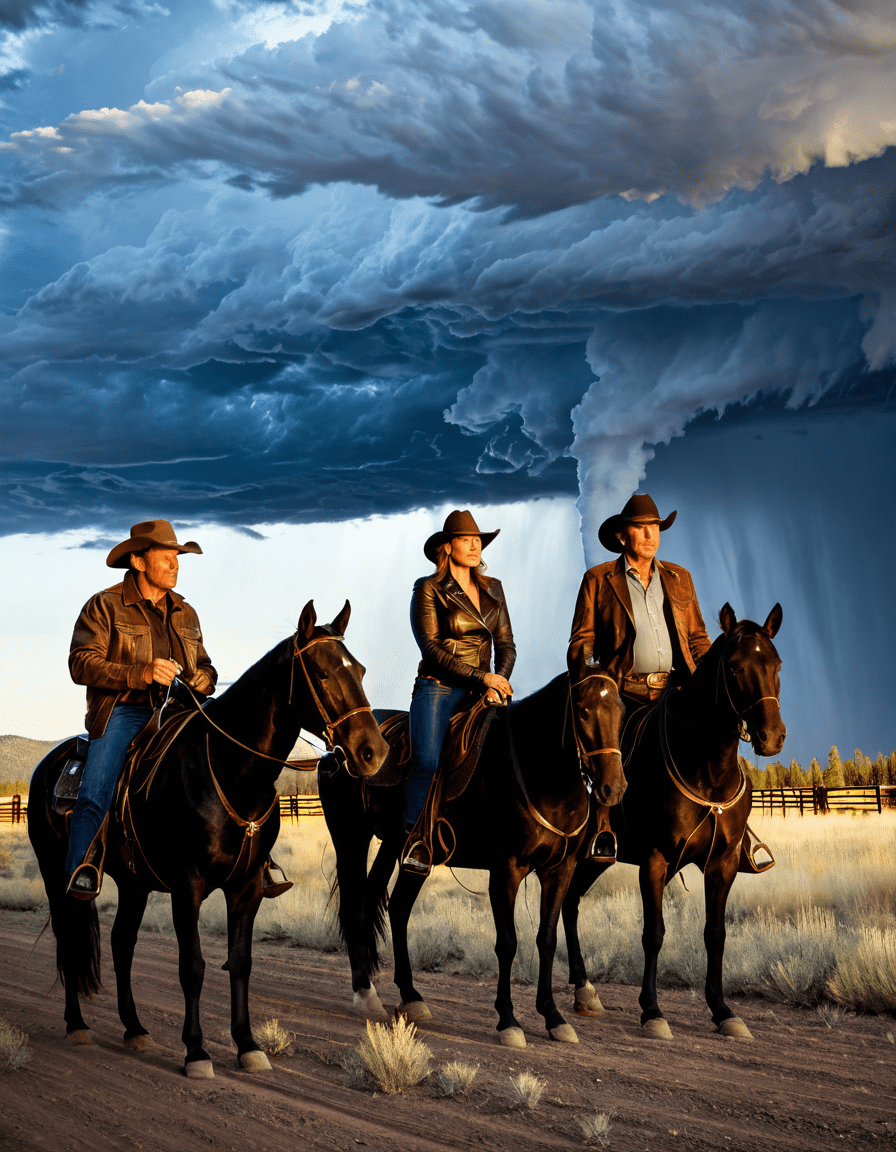
Ah, classic cinema! It beckons like a vintage Chanel gown, whispering secrets of our past while defining our present. These films carry narratives that have not just shaped, but have also transformed the cultural landscape we walk today. From those adored by critics to those that shamelessly stumbled, the spectrum embodies “the good, the bad, and the ugly.” This exploration isn’t just a stroll down memory lane; it’s a bold expedition into timeless masterpieces that deliver introspection as well as entertainment. Grab your popcorn, sit back, and let’s dive into this cinematic treasure trove where we’ll spotlight seven unforgettable films, each leaving a lasting imprint on our storytelling traditions.
Top 7 Classic Films: The Good, The Bad, And The Ugly
1. Citizen Kane (1941) – The Good
Let’s kick things off with Citizen Kane, often celebrated as the gold standard of filmmaking. Orson Welles’ directorial debut threw the rulebook out the window with its daring narrative structure and innovative cinematography. Deep focus and non-linear storytelling became the cool kids on the block, pushing boundaries and smashing ceilings. The film’s protagonist, Charles Foster Kane, is a profound study of ambition, and it poses the big question: what do we sacrifice on our climb to power? The cultural impact of Citizen Kane is undeniable; it set the stage for countless filmmakers who dared to tell stories in fresh, exciting ways.
2. Casablanca (1942) – The Bold And The Beautiful
Now, let’s shimmy over to Casablanca. This isn’t just a love story; it’s a deeply intricate narrative intertwined with the moral fabric of World War II. Humphrey Bogart and Ingrid Bergman gel together like the perfect haute couture ensemble, using their performances to beautifully explore heartbreak, sacrifice, and loyalty. Iconic lines like “Here’s looking at you, kid” resonate not only in film history but also in our cultural lexicon. Casablanca exemplifies the idea of “the bold and the beautiful,” taking risks that not only thrill but also connect with audiences on a human level. It’s more than just a film; it’s a fabric woven into the very essence of classic cinema.
3. The Godfather (1972) – The Good
Next stop: The Godfather. Francis Ford Coppola’s opus isn’t merely a gangster movie; it’s a family saga that delves deep into loyalty, power dynamics, and the hurtful compromises we make for those we love. The meticulous development of Michael Corleone’s character arc transforms him from reluctant outsider to the powerful don we all know. Each moment is laced with an emotional intensity that defines the film’s legacy. To this day, The Godfather remains a monumental achievement, laying the groundwork for countless sequels and imitations, serving as the gold standard for storytelling in the cinematic universe.
4. Showgirls (1995) – The Ugly
Ah, Showgirls—what an astonishing spectacle! Initially dismissed as a monumental flop, Paul Verhoeven’s campy melodrama has undergone a glorious renaissance, earning its rightful place in the cult classic genre. Its over-the-top performances and bizarre dialogue provide an unintended critique of the American Dream. Oddly enough, what started as “the ugly” has morphed into a nostalgic favorite. Who could have imagined this film would encourage screenings where audiences chant along to venerated lines? It’s a shining example of how the passage of time can transform perceptions.
5. Judgment at Nuremberg (1961) – The Good
Now, let’s pivot to Judgment at Nuremberg, a poignant film that resonates with the very pillars of humanity. Tackling the weighty themes of morality and justice, it invites spectators to ponder the very essence of accountability. The performances, especially from Spencer Tracy and Burt Lancaster, deliver gut-wrenching portrayals that make us reconsider human rights and moral obligation. This film’s powerful narrative continues to challenge us today, reminding us that even during dire times, we must engage in discourse about right, wrong, and everything in between.
6. The Room (2003) – The Bad
Then there’s the infamous The Room. Known as one of the worst films ever made, Tommy Wiseau’s creation has somehow clawed its way into the spotlight for all the wrong reasons. With cringeworthy dialogue and wooden performances, what’s not to love? The unintended hilarity of this film has attracted a fervent cult following, reinforcing how even “the bad” can create spectacular moments of community engagement. It’s taken on a life of its own, transitioning from cinematic failure to a celebrated film experience, where laughter often fills the theaters.
7. Blade Runner (1982) – The Good and the Ugly
Lastly, let’s take a wander into the realm of Blade Runner. Ridley Scott’s film is an exquisite interplay of stunning visuals and philosophical musings about human identity. Initially receiving mixed reviews, it has evolved into a beloved piece of cinematic art. Through its dystopian lens, it raises pressing questions about what it means to be human. This film epitomizes “the good and the ugly” by embodying the beauty of speculative narrative while contending with its share of flaws. It challenges audiences to explore ideas that resonate with our culture, making it more than just a movie—it’s a thought-provoking journey.
Evaluating Legacy in Film: The Young and the Restless
Classic cinema serves as a reflection of the values and conflicts of its time. Films like Citizen Kane and Casablanca demonstrate a commitment to artistry and social commentary that speaks to the young and the restless generation today. Meanwhile, movies like Showgirls and The Room reveal the unpredictable nature of cinematic reception. Over the years, dialogues around them have organically changed, showcasing how fresh eyes can bring new life and interpretations to old stories.
As cinematic enthusiasts, discovering these classic films enriches our understanding of contemporary offerings. For instance, modern films such as Knives Out and The Shape of Water often draw inspiration from these foundational narratives, while cleverly carving their own paths in storytelling. This rich tapestry laid down by classics interweaves through our current entertainment, leading to endless inspiration.

Reflecting on Our Cinematic Journey
Exploring classic cinema through the good, the bad, and the ugly reveals the multifaceted layers of storytelling. These films serve as more than entertainment; they encourage self-reflection and societal critique. They invite us into a dialogue, reminding us of the expansive power of cinematic art in shaping our collective consciousness.
So, as you savor your next film night, remember that each frame is a piece of our shared history. From the glamorous gowns of Casablanca to the garish missteps of Showgirls, classic cinema serves as a mirror reflecting our world today. Let’s embrace this journey, acknowledging its past and how it creatively propels us forward into uncharted waters. Here’s to the good, the bad, and the utterly ugly—our cinematic heritage!
The Good The Bad And The Ugly: Trivia and Interesting Facts
A Trio of Icons
“The Good, The Bad, and The Ugly” isn’t just a film; it’s a cultural touchstone that epitomizes the spaghetti western genre. Released in 1966, this film saw Clint Eastwood, Lee Van Cleef, and Eli Wallach create a trio of memorable characters who remain as iconic today as ever. Did you know it was the last film in Sergio Leone’s “Dollars Trilogy,” which included classics like “A Fistful of Dollars”? This trilogy’s legacy paved the way for great filmmakers, much like how Hayao Miyazaki’s enchanting style revolutionized anime storytelling.
Behind the Scenes
If you’re ever fascinated by how unforgettable stories come together, the behind-the-scenes anecdotes from “The Good, The Bad, and The Ugly” will delight you. The vast landscapes of Spain served as stunning backdrops, capturing the harsh beauty of the Wild West. Interestingly, the notorious scene featuring the “three-way standoff” took days to shoot, showcasing Leone’s attention to detail. Speaking of detail, have you ever noticed how Bridgerton characters fit perfectly into their respective narratives? Each one is just as vivid as the lead roles in this classic film.
Lasting Impressions
The lasting impact of “The Good, The Bad, and The Ugly” is undeniable. It changed how Westerns are viewed and even influenced narrative structure in modern cinema. In fact, its themes of betrayal and greed can be seen echoed in films like Once Upon a Time in America, which further explores the moral shades of gray. But it’s not just thought-provoking; the film also spawned numerous parodies, such as in Adam Sandler’s Bedtime Stories. Whether you’re laughing at a spoof or pondering its darker themes, the film’s allure never fades.
As you consider its significance, think about how the journey explored in “The Good, The Bad, and The Ugly” resonates with various life dynamics—much like understanding signs of stroke to promote health awareness or enjoying the quirky humor in shows like Superstore. This classic isn’t just a movie; it’s a lesson on the complexities of life itself, making it truly unforgettable.