If you’ve ever found yourself wide-eyed at the thought of chainsaws and sawdust, you’ve inevitably crossed paths with Leatherface, the unimaginable antihero of horror. Tobe Hooper’s iconic 1974 film, “The Texas Chainsaw Massacre,” brought this nightmarish creation to life, forever embedding him into the annals of cinematic terror. With a fierce growl and a chainsaw revving like a symphony gone awry, Leatherface isn’t just a fleeting fright; he mirrors the deep-rooted fears of society, making him a figure of cultural significance that transcends decades. Grab a seat, pour yourself some popcorn, and let’s delve into the darkly stylish legacy of this terrifying character.
The Mythos of Leatherface: Origins and Evolution
The Birth of a Horror Legend
Leatherface emerged from the gritty milieu of 1970s America, when societal norms seemed to crack under the weight of turmoil. The film’s brutal realism struck chords with audiences lingering in the aftershocks of the Vietnam War and grappling with a disintegrating family unit. A monstrosity cloaked in a mask of human skin, Leatherface personified a clash of civilization crumbling, forever changing the horror genre and leaving audiences shivering with dread.
Cultural Reflections
His existence serves as a mirror reflecting the unsettling cultural zeitgeist of the era—fear of familial breakdown, economic despair, and a rapidly shifting societal landscape. Leatherface wasn’t just a character but a harbinger of morality’s decay and a subconscious acknowledgment of fractured familial bonds. As viewers recoiled at his horrific acts, they unknowingly faced their own societal anxieties manifested through the gruesome imaginings of Hooper.
Leatherface in Cinema
From the original film to modern adaptations, Leatherface’s character has evolved yet retained a resonance that echoes the timeless fears of humanity. The 2003 remake offered a fresh take, mesmerized by the vile cruelty but cloaked in a more polished aesthetic. The Netflix adaptation reinterprets Leatherface for a new generation, peeling back layers of gore to reveal nuanced tales of victimhood, tragedy, and survival. Within each frame, his legacy pulsates, reminding viewers of the horror that lurks just beneath the veneer of society.
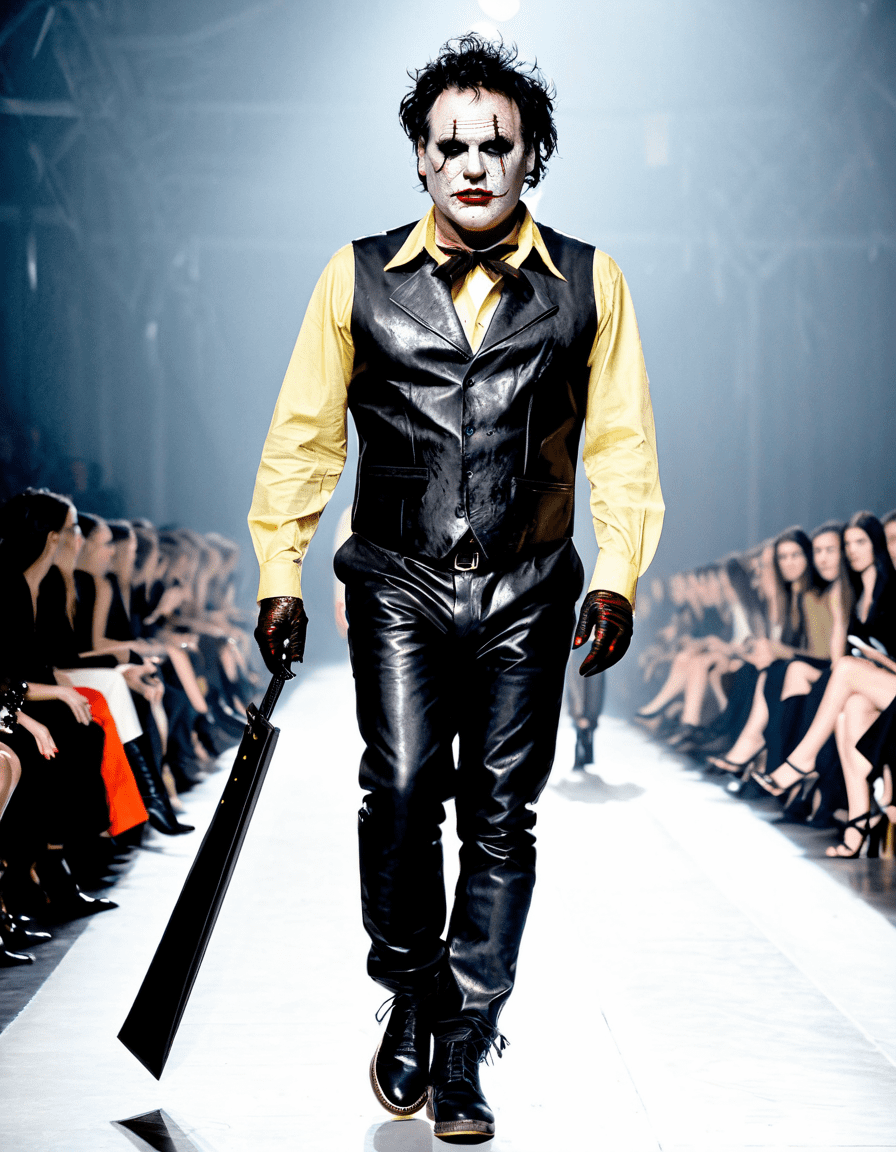
Top 5 Iconic Moments That Defined Leatherface’s Terrifying Legacy
The moment Leatherface wields his chainsaw for the first time is pure cinematic gold. It’s a masterstroke of tension and terror that redefined horror; a juxtaposition of a childlike figure cloaked in masculinity and aggression. From the very second that ominous rev fills the air, audiences around the globe became both terrified and entranced.
Ah, the famous dinner scene. Famously disturbing, this moment unfolds into a grotesque family gathering, illustrating the dysfunction peeking behind the suburban curtain. The meal becomes a perverse symbol of familial ties, provoking audiences to confront the disturbing dynamics that lurk within the warm facade of family dinners.
Leatherface’s masks, crafted from human skin, signify not just the loss of identity but challenge viewers to ponder the psychological unraveling of an individual. Each mask transforms him from human into another grotesque entity, questions arising about his true self, hidden behind layers of concealment.
Leatherface’s relentless pursuit of his victims is a chilling motif, displaying both predator and tragic figure shaped by his grotesque upbringing. Each chase showcases a desperate struggle, with audiences oscillating between horror and a strange, uncomfortable empathy towards the character molded by traumas of abandonment.
Central to the horror genre, Leatherface’s interactions with his female counterparts add depth to the narrative. With characters like Sally Hardesty, viewers witness dynamic shifts, challenging trAditional gender roles and inserting feminist themes into the terrifying narrative tapestry. Their confrontations not only symbolize survival but reflect the complexities of power in terrifying contexts.
Leatherface in Popular Culture: An Influence Beyond Horror
The Influence on Other Media
The chainsaw-wielding maniac significantly shaped horror’s footprint, acting as an inspiration for myriad films, television shows, and even popular video games like “Dead by Daylight.” This multitude of references underscores how Leatherface’s legacy transcended the screen, steering audiences through realms of horror that continue to thrill and terrify.
Crossover with Other Icons
Like other horror legends, such as “Hollow Knight” and “Dexter: New Blood,” Leatherface exemplifies how trauma and violence shape identity. These characters unfurl a tapestry of despair and dark humor, establishing primacy through images of psychological torment. Their narratives intermingle to reveal universal truths about humanity, fear, and survival.
References in Music and Art
Leatherface has seeped into contemporary music, finding a cozy home in hardcore and metal genres. Whether it’s the haunting visuals in Slipknot concerts or evocative music videos, his horrifying imagery entwines with the emotional chords of music, cementing his place in modern artistic expressions, and making horror cool.
Leatherface’s Cultural Significance: Beyond the Chainsaw
Exploring the ‘Angel Dust’ Effect
Horror fandom often mirrors euphoria, comparable to the highs of angel dust. Like a thrilling rollercoaster, horror captivates fans, igniting a passionate connection with characters like Leatherface. This intoxicating concoction of fear and adrenaline binds audiences to a legacy deeply etched in cinematic history.
Gender Interpretations
The complexities of gender roles intrigue, shifting focus on feminist readings of Leatherface and his female counterparts. Figures like Sally Hardesty navigate a spectrum of vulnerability and empowerment, eliciting discomfort in their encounters with horror, propelling discussions around gender within this deeply unsettling genre.
Modern Recontextualization
Recent portrayals of Leatherface reflect an evolving discourse on masculinity, evil, and victimhood. New narratives show the monster as a victim of circumstances—a tragic figure molded by a society that ceaselessly churns out horror. This breed of recontextualization fosters a dialogue around empathy and the multifaceted nature of evil.
Legacy in the Age of Streaming: Leatherface Reimagined
Dexter Resurrection as a Case Study
As the revival of Dexter Morgan dazzles fans, so too does the reimagining of Leatherface capture attention. Both characters thrive in the binge-worthy landscape of modern storytelling, but the toolkit of narrative pacing has changed, deepening character complexity and audience engagement.
The Role of Horror in Streaming Culture
Platforms such as Netflix have rejuvenated the horror genre. By breathing new life into haunting tales like Leatherface’s, they transform forgotten narratives into modern sensations, allowing old classic horrors to resonate with youthful audiences today.
Black Widow and Strong Female Characters
The rise of strong female protagonists signals a seismic shift in horror narratives. Contrasting with Leatherface’s traditional male-centric existence, contemporary shifts showcase empowered characters ready to combat the terrors awaiting them, reaffirming that horror can wear many faces—sometimes clad in strategic heels.
Innovative Wrap-Up
From a raw portrayal of Americana’s dark underbelly to an emblem of the horror genre’s resilience, Leatherface’s legacy endures through innovative storytelling and cultural critique. This harrowing character encapsulates humanity’s fascination with fear, shaped by societal issues and personal traumas, allowing his story to remain as relevant today in 2026 as it was at his inception. As new media continues exploring this complex narrative, we are reminded that every chainsaw rev is a haunting echo of deeper truths lurking beneath the surface of horror itself.
Embrace the chaos, fellow fashionistas and horror aficionados, for the runway of horrific visuals continues to inspire both style and art, and Leatherface remains an unparalleled icon—a true tour-de-force rippling through the fabric of our culture. In the end, aren’t we all just a bit mesmerized by the cut and edge of fear? Let’s strap in, hold onto those chainsaws, and keep asking the haunting questions only horror can answer.
Leatherface: A Horror Icon’s Gruesome Fascination
The Origins of Leatherface
Leatherface, the notorious villain from The Texas Chain Saw Massacre, first graced our screens in 1974. His character was inspired by the real-life crimes of Ed Gein, a serial killer who—fun fact—also fashioned items from human skin, much like Leatherface! This morbid connection birthed a cinematic legend that has continued to horrify audiences for decades. As the character evolved, so did the unsettling tales surrounding him, fuelled by society’s fascination with horror. Speaking of peculiar interests, it’s kind of like how people are captivated by bizarre clips, such as those of Dobby in unexpected scenarios.
Leatherface in Popular Culture
Leatherface hasn’t just been confined to the silver screen. Over the years, he’s become a pop culture staple, featuring in video games, merchandise, and even parodies. His heavy chainsaw has made its mark, becoming an infamous symbol of terror alongside other horror icons. Interestingly, much like the absurd yet humorous theme found in the site featuring nudist Pics, there’s an underlying comedic twist to horror that sometimes sneaks up on us, making Leatherface’s antics all the more shocking.
Leatherface’s Impact on Horror Movies
The legacy of Leatherface extends beyond fright; it served as a catalyst for the slasher genre. Movies began to explore the psyche of their killers, which paved the way for complex characters like Michael Myers and Freddy Krueger. This shift might remind fans of how the latest comic adaptations like Captain America: Brave New World are challenging trAditional narratives. Just as Leatherface evolved, so do the stories we love! You could even draw some parallels back to something like a real pain movie that digs deep into character dilemmas.
In sum, Leatherface is tied to a legacy that spans film, culture, and continues to provoke thought and exploration in horror films today. Whether you’re revisiting his chainsaw-wielding antics or exploring his influence, there’s always something fresh to discover.