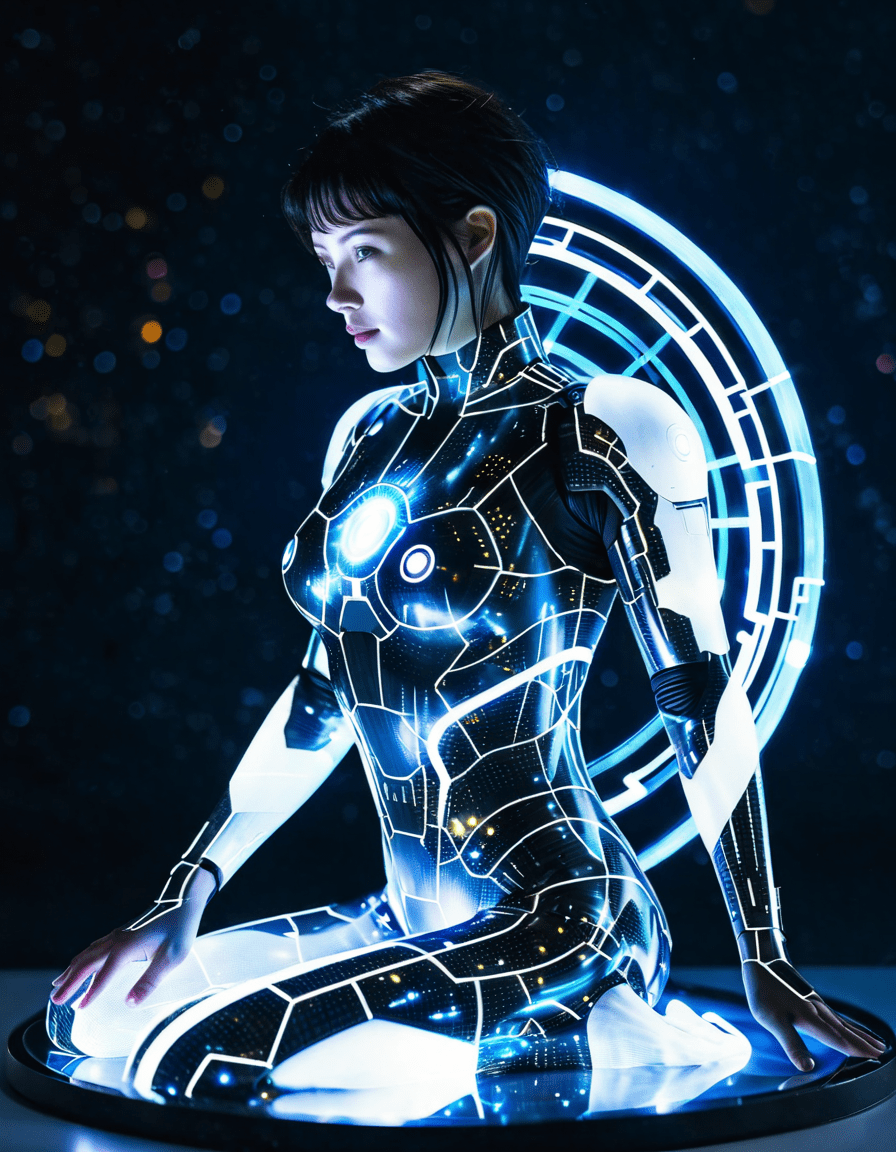
In an era where our lives intertwine with technology, there’s no better reference point than Ghost in the Shell. This groundbreaking anime imagines a world where the lines between human and machine blur beautifully. Since its debut, Ghost in the Shell has captivated audiences and inspired discussions about identity that remain relevant to this day. As we leap into 2026, this exploration will take us through the franchise’s evolution, its iconic characters, and the broader philosophical questions that plague our cybernetic existence.
The Evolution of Cybernetic Identity: From Ghost in the Shell to Today
Starting with the visionary world created by Masamune Shirow, Ghost in the Shell has shaped how we view cybernetic identity. Back in the early 90s, Shirow’s manga offered a peek into a future where human minds could intertwine with technology, reflecting a nascent awareness of our impending reality. Nowadays, our interactions with AI personal assistants like Apple’s Siri and Amazon’s Alexa signal a remarkable change. These digital companions aren’t simply tools; they’re extensions of our identities, prompting us to ask questions about consciousness and autonomy that Shirow foresaw.
With every new feature, our digital agents become more like us, echoing the subjectivity of Ghost in the Shell‘s protagonist, Major Motoko Kusanagi. Conversations morph from simple commands into complex interactions. Consider when asking Siri about the weather. Does that feel like a conversation with a machine or a partner? The principles posed in Ghost in the Shell don’t just resonate; they ripple through our cultural consciousness, reflecting our desire for connection even with non-human entities.
As we hover at the intersection of humanity and technology, these advancements prompt scrutiny. Are we becoming too comfortable with sacrificing part of our identity in exchange for efficiency? Or are we merely enhancing what it means to be human? The dialogues ignited by Ghost in the Shell continue to feel so contemporary and vital, guiding us in embracing advancements even as we forge our identities deeper into the digital age.
Top 5 Influential Characters from Ghost in the Shell and Their Impact on Cybernetic Discourse
No character better embodies the struggle for identity than Major Kusanagi. A cyborg warrior with a human mind, she’s the poster child for dealing with the nuances of body autonomy and digital selfhood. Kusanagi challenges us to consider which elements truly define humanity: our biological vessels or our consciousness?
The loyal and emotionally rich Batou serves as a reminder that while technology may enhance or transform us, the core of human experience includes loyalty and love. His character wrestles with the balance between enhancement and genuine connection, echoing the very real fears many share about mechanical augmentation infiltrating emotional landscapes.
A haunting entity, the Puppet Master raises profound questions about free will. By manipulating consciousness, this character makes us question the reliability of our own autonomy as we embrace increasing automation. Are we paving our paths, or is a digital puppeteer pulling the strings of our fate in this world run by ones and zeros?
As the least technologically modified character, Togusa represents apprehensions surrounding the encroachment of technology on individuality. His struggles reflect those among us who worry about losing touch with our human essence. It’s a beautiful reminder that beneath all the advancements, there lies an intrinsic value in the organic.
Ishikawa’s expertise and understanding of technology offer a gritty glimpse into ethical dilemmas surrounding identity. As we read about hacking and data manipulation, concerns about personal identity integrity evolve. He stands as a warning that as we forge deeper connections with technology, our personal data becomes both a key asset and a potential weapon—an ethical conundrum we must confront.
The Crossroads of Philosophy and Technology: Insights from Ghost in the Shell
A closer look at Ghost in the Shell reveals cerebral themes that resonate. Drawing from Cartesian dualism and the complex understanding of the “self,” this narrative dives into what consciousness truly is. The implications of emerging technologies, such as brain-computer interfaces from companies like Neuralink, illuminate how cybernetic identity reshapes our perspectives on ourselves.
As AI expands, the boundary between organic thought and mechanized process becomes increasingly porous. Modern ethical debates push us to confront questions of selfhood and consciousness. What happens when machines begin to think and feel? The explorations exemplified in Ghost in the Shell challenge our perceptions of identity, urging a reevaluation of how we gather and construct our personal narratives.
We’re not just critiquing technology; we’re reevaluating what it means to exist. With advances occurring at a blistering pace, pondering these inquiries isn’t optional; it’s essential for shaping a cohesive understanding of modern living. As we navigate our cyber-infused landscape, the philosophies found in Ghost in the Shell fuel our need for clarity—providing the ideal platform for exploring identity in this electrifying age.
Real-World Comparisons: Lessons from Other Media Genres
Lessons from the Cat in the Hat: Whimsical Characters with Serious Impacts
Drawing parallels between Ghost in the Shell and the whimsical narrative of Dr. Seuss’s Cat in the Hat shows how character-led storytelling serves to engage, while simultaneously confronting pressing issues. The chaos brought by the Cat shoots sparks into our childhood memories, all while driving serious themes home. Both narratives delve into responsibilities, freedoms, and chaotic moments—reflective of the broader struggles around identity.
The whimsical situation the Cat concocts reminds us that life’s unpredictable nature can be valuable—much like Kusanagi’s blended existence with technology, which simultaneously embodies freedom and chaos. In artfully scripting characters with depth, these stories cultivate reflection upon our responsibilities toward technology and self, along with our choices amid extraordinary circumstances.
Just as the mischief disrupts order in Cat in the Hat, the encroachment of technology compels us to weigh our existential choices. The parallels that emerge call forth a necessity for deeper consideration regarding how identity is formed, influenced, and sometimes disrupted in our tech-laden lives.
Character Development in Malcolm in the Middle: Humanization in Technology
The depth of character development in Ghost in the Shell can inspire comparisons to the everyday family situations portrayed in Malcolm in the Middle. While the latter focuses on humorous family dynamics, it similarly explores the human element amidst a technologically evolving world. The character-driven narrative elicits empathy, driving home major themes of connection and understanding.
Consider Hal, the eccentric dad, whose humor and humanity shine through even when grappling with daily chaos. Perhaps his relatability amidst the chaos mirrors the emotional undercurrents we find in Kusanagi and Batou’s journeys. Both narratives reveal how humans relate to technology—reflecting the balance between connection and disconnection within evolving contexts.
Ultimately, the insights gathered from Malcolm in the Middle enforce our understanding of identity. The struggles depicted throughout both narratives engage readers and viewers alike in reflection upon the balance of human connection in a world defined by screens.
The Future of Cybernetic Identity: What Lies Beyond Ghost in the Shell?
Looking ahead, the trajectory of cybernetic identity is dazzling, and tumultuous, at once. Technologies are evolving faster than we can keep up, with trailblazers like Elon Musk delving into brain-computer interfaces that could redefine our existence as we know it. The challenges posed by ethical considerations—surveillance, consent, and data ownership—cast shadows over this bright future.
As we push boundaries on what we can achieve, we face challenges too. Will society adapt healthily, or will we become estranged from our intrinsic humanity? The ethical dilemmas haunting the realms of cybernetics are not simple. The implications surrounding personal data—akin to themes in Ghost in the Shell—threaten to unravel our identities.
Navigating this path starts with dialogue. By delving into ethical quandaries surrounding AI, biotechnology, and identity, we open doors that could redefine our interactive existence. What will it mean to be human in future societies, where technology integrates seamlessly with our minds and bodies? The visions offered by Ghost in the Shell set the tone for this ever-evolving discussion.
The Relevance of Ghost in the Shell’s Themes in Today’s Society
In a world increasingly shaped by technology, the timeless themes of Ghost in the Shell resonate louder than ever. The existential questions surrounding identity emerge as we witness the ongoing integration of digital lives into our daily routines. Personal stories echo the struggle Kusanagi faces, reminding us of the continual engagement with technology that shapes who we are.
As society grapples with rapid changes, there’s a shared desire to make sense of our identity in a landscape dominated by digital interactions. The challenges facing our collective consciousness as we immerse ourselves in this cybernetic embrace evoke the intricate internal dialogue depicted in Ghost in the Shell. Identity, after all, is never static; it evolves, molds, and reacts to its environment.
In the increasingly tech-focused world, these stories offer hope and connection. They pave pathways toward navigating our interactions, encouraging conversations that clarify what it truly means to be human in this era of constant digital advancement.
Final Thoughts: Embracing the Complexity of Our Cybernetic Future
Standing at the precipice of an exhilarating technological future pushes us to rethink what defines our identities. Themes from Ghost in the Shell become crucial in deciphering new narratives where humanity and technology become interwoven strands in a tapestry of existence. The complexities of our cybernetic identities will not only unfold surprises but also challenge perceptions of selfhood.
Engaging with these narratives urges us to step beyond our comfort zones and embrace opportunities while pondering the ethical ramifications that accompany technological advancement. Navigating through this dynamic landscape, shedding light on personal experiences and interactions—be it human or digital, molding our identities—is paramount.
We don’t merely exist in a tech-laden world; we thrive in it if we muster the courage to merge our experiences with evolving identities. Together, we can redefine our connections within this vivid tapestry— fusing technology and humanity—and, in doing so, learn to embrace the beautiful intricacies that come with being human in this enthralling cybernetic future.
Ghost in the Shell: Fun Trivia and Interesting Facts
A Cybernetic Universe
Did you know that “Ghost in the Shell,” originally a manga by Masamune Shirow, has significantly influenced not just anime but pop culture at large? The franchise dives deep into the themes of identity and consciousness, echoing the profound questions raised in works like The Invisible Man. It’s fascinating to see how both explore the idea of how perception shapes our very essence, although one wears a more sinister mask than the other! Plus, speaking of influence, the anime has inspired various artists, including musicians like Outkast, who’ve taken cues from its storytelling and aesthetic to push boundaries in their music videos.
The Concept of the Ghost
In “Ghost in the Shell,” the term “ghost” refers to a person’s consciousness, particularly in cyborgs. This intriguing notion parallels the storylines of characters like Jon Snow, who often grapple with identity and purpose in a world that challenges their very being. Can you imagine how different his journey would be with a cybernetic twist? Moreover, the notion of ‘ghosts’ goes beyond fiction—many are exploring how technology alters our identities, much like the evolution seen in fighters like Mark Kerr, who embody the fusion of human spirit and mechanized training.
Pop Culture Crossroads
Speaking of blending worlds, “Ghost in the Shell” has not only made waves in cinema but also game development, inspiring titles reminiscent of classics such as Crash Bandicoot. These games often incorporate similar themes, where players navigate digital realms influenced by their humanity. Transitioning back to the anime, many fans are surprised to learn that the original films and series sparked a host of adaptations, expanding its universe as cleverly as Bar a Psi captures the multiverse of stories.
So, next time you dive into “Ghost in the Shell,” think of the layered meanings and connections that surface throughout its narrative. It’s a rich tapestry woven from seemingly disparate threads, much like how one might analyze the housing interest rates chart when exploring economic narratives—both weave into who we are in this constantly shifting landscape.