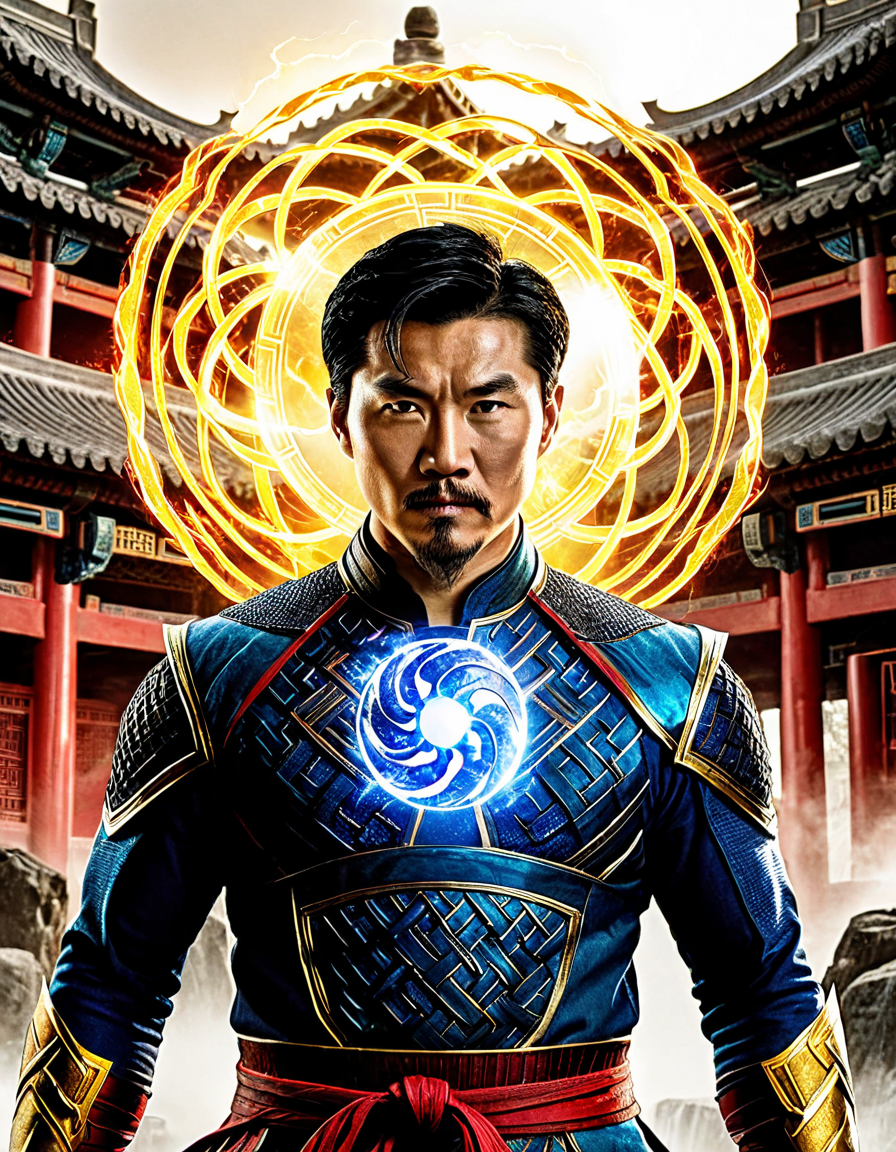
In the kaleidoscopic universe of the Marvel Cinematic Universe, Shang Chi bursts forth as a beacon of cultural significance. Portrayed brilliantly by Simu Liu, this character isn’t just a skilled martial artist; he’s the embodiment of a significant shift in how Asian identities are represented on the big screen. For far too long, Asian characters have often been boxed into caricatures, but Shang Chi draws us in with authentic storytelling that captures the complexities of identity in a globalized society. His cinematic journey in “Shang-Chi and the Legend of the Ten Rings” elevates Asian voices, celebrating both their struggles and triumphs. The film not only delivers intricate fight sequences but also serves as a cultural commentary that resonates with the Asian diasporic community, making it a true cultural milestone.
The film’s reception has been overwhelmingly positive, signaling a hunger for more nuanced stories featuring Asian characters. Critics rave about the authenticity and depth presented, while audiences have embraced the touch of traditional motifs blended with contemporary storytelling. It reflects broader societal shifts toward appreciation of diversity and confronts long-held stereotypes head-on. This is not just a narrative that entertains; it’s a revolutionary movement in cinema that encourages viewers to rethink their perceptions about identity and heritage.
As we delve deeper into Shang Chi’s world, it’s pivotal to grasp the context that surrounds his character. In a time when Asian identities are often simplified or misunderstood, his arc instigates conversations about cultural pride. This fresh narrative thread shines a welcome light on the richness of Asian experiences, paving the way for representations that amplify the voices of those who have historically been sidelined.
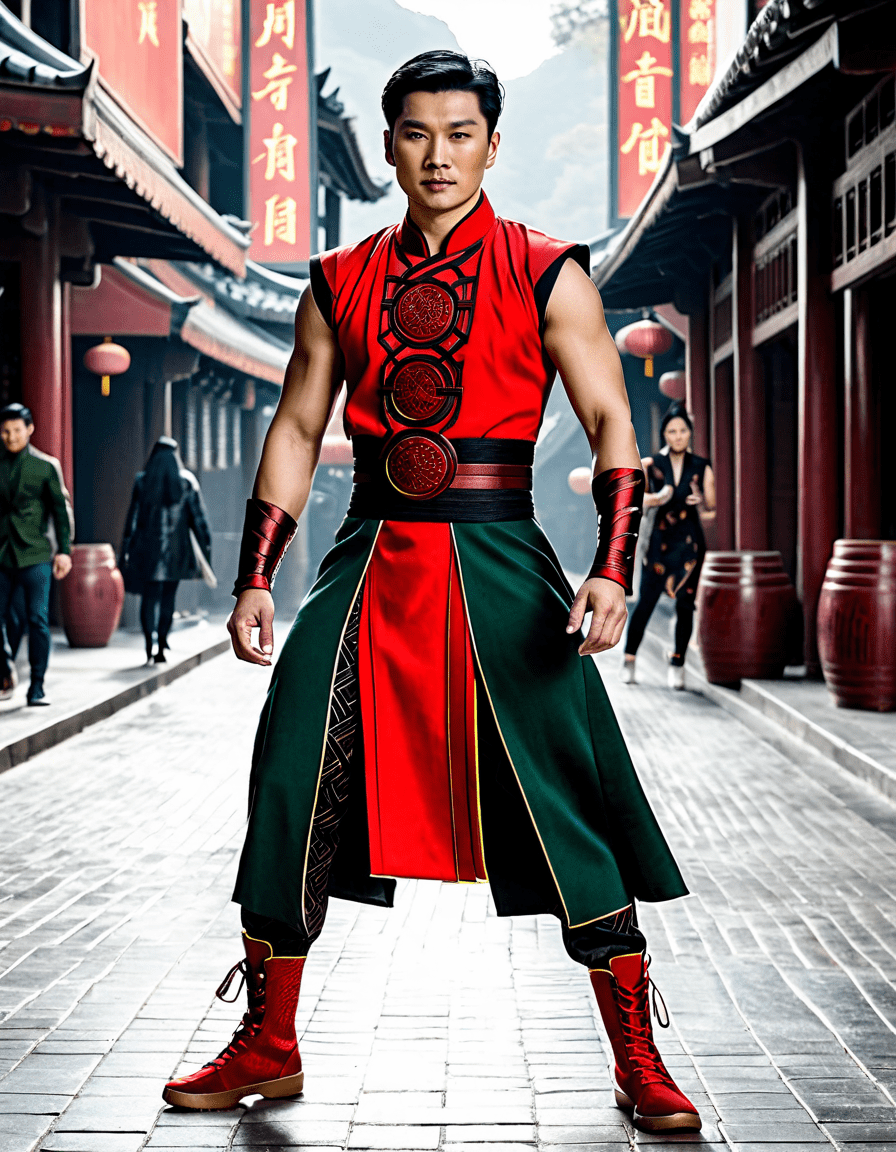
Top 5 Martial Arts Influences in Shang Chi’s Narrative
The martial arts showcased in Shang Chi are brilliant mosaics drawn from various traditions, embodying richness and authenticity. Let’s unpack this intricate web of influences that elevate the action:
1. Kung Fu and Wushu: Roots of Shang Chi’s Technique
At the heart of Shang Chi’s martial prowess lies Kung Fu, a profound art steeped in philosophy and discipline. This classical form emphasizes respect and perseverance, while Wushu, with its acrobatic flair, enhances the character’s combat sequences. These styles do more than just entertain; they symbolize the spiritual connection many practitioners have with martial arts, illustrating that it’s about more than just fighting.
2. Mixed Martial Arts (MMA): Modern Relevance
As our world progresses, so do the forms of combat. The dynamic movements witnessed in Shang Chi resonate with the techniques employed in Mixed Martial Arts (MMA). This modern twist on fighting showcases a blend of grappling and striking disciplines. By incorporating these contemporary elements, the film bridges the gap between ancient traditions and modern expressions, making the fight scenes vibrant and relevant.
3. Capoeira: Rhythm and Flow
Perhaps one of the most delightful surprises in Shang Chi is the use of Capoeira, a Brazilian martial art that combines elements of dance and acrobatics. This addition brings a rhythmic liveliness that not only entertains but also symbolizes adaptability and creativity. It mirrors Shang Chi’s journey of self-discovery amidst diverse cultural influences—a dance that flows seamlessly through his life.
4. Filipino Martial Arts: Weapons and Practical Techniques
When we think about practical self-defense, Filipino martial arts like Kali and Arnis come to mind. These arts emphasize weaponry and are rooted in the philosophy of resourcefulness. Integrating these techniques into Shang Chi’s combat not only intensifies the drama but also conveys a message about preparedness—when facing life’s numerous challenges, one must be equipped with both skills and knowledge.
5. Jo Koy’s Stand-Up Comedy: Relatable Cultural Narratives
Pairing martial arts with comedy might seem unconventional, but Jo Koy, a Filipino-American stand-up comic, offers a refreshing perspective on family dynamics and cultural identity. His humor, infused with cultural narratives, strikes a chord with audiences and complements Shang Chi’s themes. Both figures navigate the complexities of family expectations and self-acceptance, bridging cultures through laughter.
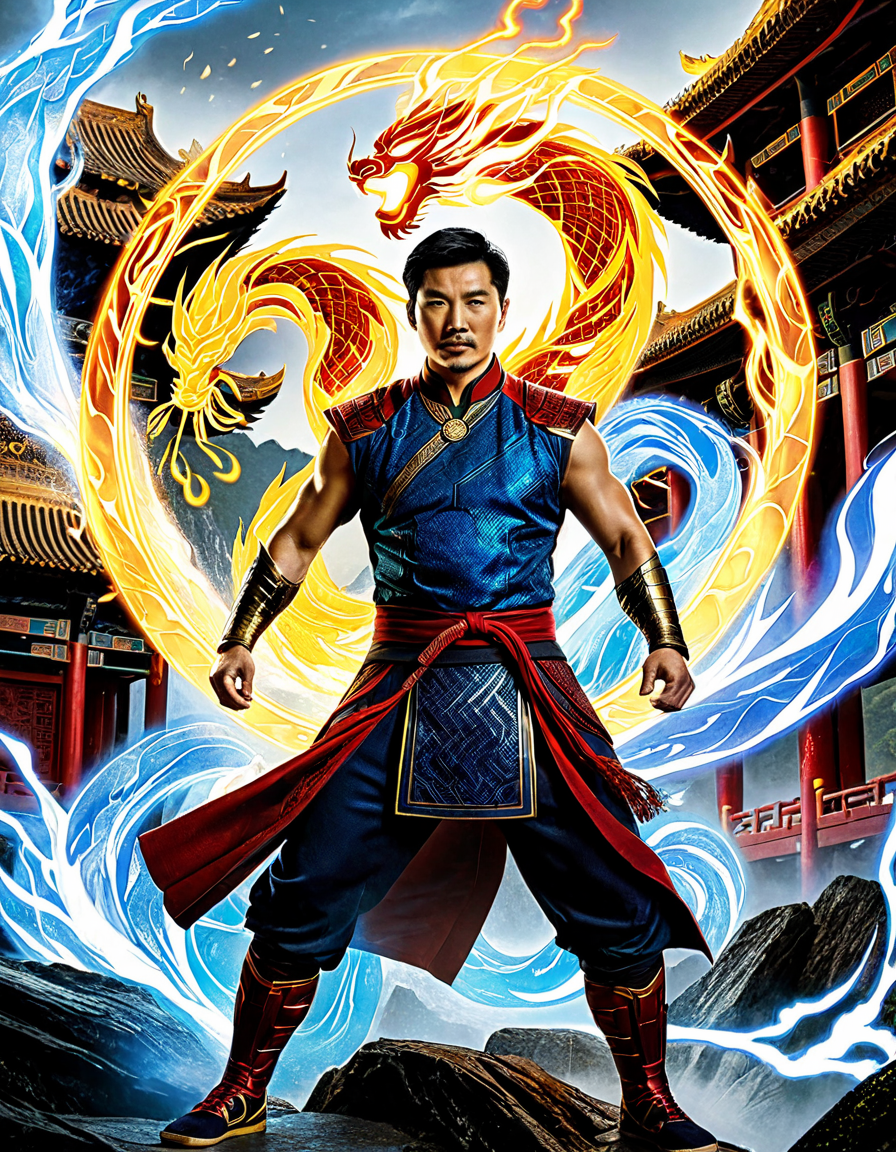
The Role of Identity: Bang Chan’s Influence in Cultural Expression
As we traverse the landscape of identity, one figure emerges as a cultural ambassador—Bang Chan of K-pop group Stray Kids. Known for his exceptional talent, Bang Chan uses his platform not only to entertain but also to advocate for self-acceptance. His journey resonates with the quest portrayed in Shang Chi; both work tirelessly to explore and embrace their identities. This shared narrative of authenticity speaks to young fans who often grapple with their cultural heritage.
Much like Shang Chi’s journey toward self-discovery, Bang Chan’s portrayal of identity and acceptance strikes a chord with audiences looking for genuine representation. By crafting music that reflects personal experiences, he becomes an icon for those navigating their paths. His lyrics often discuss themes of struggle and perseverance, paralleling the challenges Shang Chi faces within his own story, thus solidifying their influence in the cultural discourse surrounding identity.
Through their respective narratives, both Bang Chan and Shang Chi illustrate the importance of embracing one’s own story. They encourage fans to celebrate their own identities unapologetically, fostering a greater sense of belonging among those who feel disconnected from their roots. Their messages resonate loudly and clearly, reminding us all that our backgrounds are worthy of pride.
Tay K: The Contrast of Identity and Consequences
In stark contrast to the inspirational threads woven through Shang Chi and Bang Chan’s stories is that of rapper Tay K. His life narrative presents a complicated take on identity, intertwined with the consequences of choices and socio-economic realities. As he faced numerous legal troubles, Tay K’s tale serves as a cautionary story, illustrating a different, less palatable side of identity shaped by environment and circumstance.
Examining Tay K’s story alongside Shang Chi’s provides a nuanced understanding of how identity shapes individual trajectories. While Shang Chi embodies the pursuit of honor and self-discovery, Tay K’s narrative reflects the chaos that can arise when choices lead to irreversible consequences. This juxtaposition demonstrates the diverse paths individuals can take when grappling with their identities amidst external pressures.
In a world often quick to condemn, Tay K’s cautionary tale reminds us that empathy is essential. It challenges us to consider the complexity of identity beyond surface-level impressions and encourages a deeper discourse around the conditions that can dictate life’s paths. As much as Shang Chi showcases heroism, the juxtaposition with Tay K underscores the importance of responsibility and the weight of one’s choices.
Dan Da Dan: The Future of Storytelling in Asian Representation
Stepping away from traditional narratives, “Dan Da Dan” is a webtoon that heralds a new era of storytelling within Asian representation. Similar to Shang Chi, it steps beyond the confines of typical narratives, weaving together imaginative fantasy with real-world issues. This emerging genre emphasizes multi-dimensional characters, allowing readers to connect with stories that reflect their own experiences.
With its clever blend of humor and societal commentary, “Dan Da Dan” embodies a vital shift that resonates with younger audiences. It illustrates the potent mix of fantasy and reality, enabling individuals to see themselves heroically stepping beyond the boundaries of conventional storytelling. Just as Shang Chi paves the way for deeper explorations of identity and heritage, “Dan Da Dan” invites future generations to delve into narratives that celebrate and elevate Asian experiences.
The rising success of such innovative narratives signals a transformative trend in both the entertainment industry and wider culture. They underscore the importance of diverse storytelling and inspire a greater acceptance and understanding of varied heritages. As trends shift beyond one-dimensional portrayals, we anticipate a flourishing of Asian representation that continues to reflect the richness of cultural experiences.
As characters like Shang Chi redefine what it means to hold a compromise in identity, the lines between action, culture, and humanity blur delightfully. Whether through martial arts, humor, or fresh narratives like “Dan Da Dan,” we witness a vibrant tapestry of representation that embraces diversity as its hallmark. These stories not only entertain but serve as powerful catalysts for change, inviting us all to explore the depths of identity in an ever-expanding cultural narrative.
Shang Chi: Mastering Martial Arts and Identity in Marvel’s World
A Hero’s Journey
Shang Chi, often dubbed the “Master of Kung Fu,” brings a refreshing perspective to the Marvel universe. He’s not just a martial arts expert; he’s also a character grappling with identity and familial ties. His journey reflects the struggles many face with heritage, much like the themes explored in works like The Art Of Racing in The Rain, where the narrative dives deep into personal connections. In fact, Shang Chi’s character development mirrors the relatable struggles that many face—even those soaking in the world of Harry Potter And The Prisoner Of Azkaban can see the parallels in their own life choices.
Speaking of choices, did you know that the martial arts showcased in Shang Chi’s adventures were inspired by renowned techniques worldwide? The intricate footwork and stances of Kung Fu show a surprising similarity to modern athletic techniques, such as those found in front taper styles recognized in climbing. This linkage between ancient traditions and contemporary interpretations highlights how the art form has remained dynamic and impactful across generations. It’s a little bit like how filmmakers at Dreamworks create narratives that resonate across cultures and ages.
Behind the Scenes
Curious fans may wonder how much choreography and training went into the making of Shang Chi’s action scenes. As it turns out, the production team went all out, collaborating with expert martial artists to create authentic fight sequences. This effort parallels the use of tempera paint by artists who seek to blend traditional methods with new hues and styles. Just as they experiment to enhance their craft, Shang Chi’s thrilling battles are a beautiful manifestation of art meeting athleticism.
And here’s a fun fact: Shang Chi’s portrayal aligns with the struggles we face in today’s society—choosing between our personal desires and family expectations. The story touches on shifting identities and accepting oneself in a complicated backdrop, much like navigating through video games like Little Nightmares 3, where every turn offers new challenges and growth. It creates a resonant link between the weight of legacy and the fight for autonomy, a narrative that seems to echo in every corner of pop culture, even as light and airy as a surf through the Wave Browser.
Shang Chi, at his core, is a reflection of our continuous battle to master not just martial arts, but life’s complexities. Whether you’re a fan of high-flying stunts, deep emotional narratives, or just looking for a character with whom you can identify, Shang Chi provides an engaging blend of action and heart.