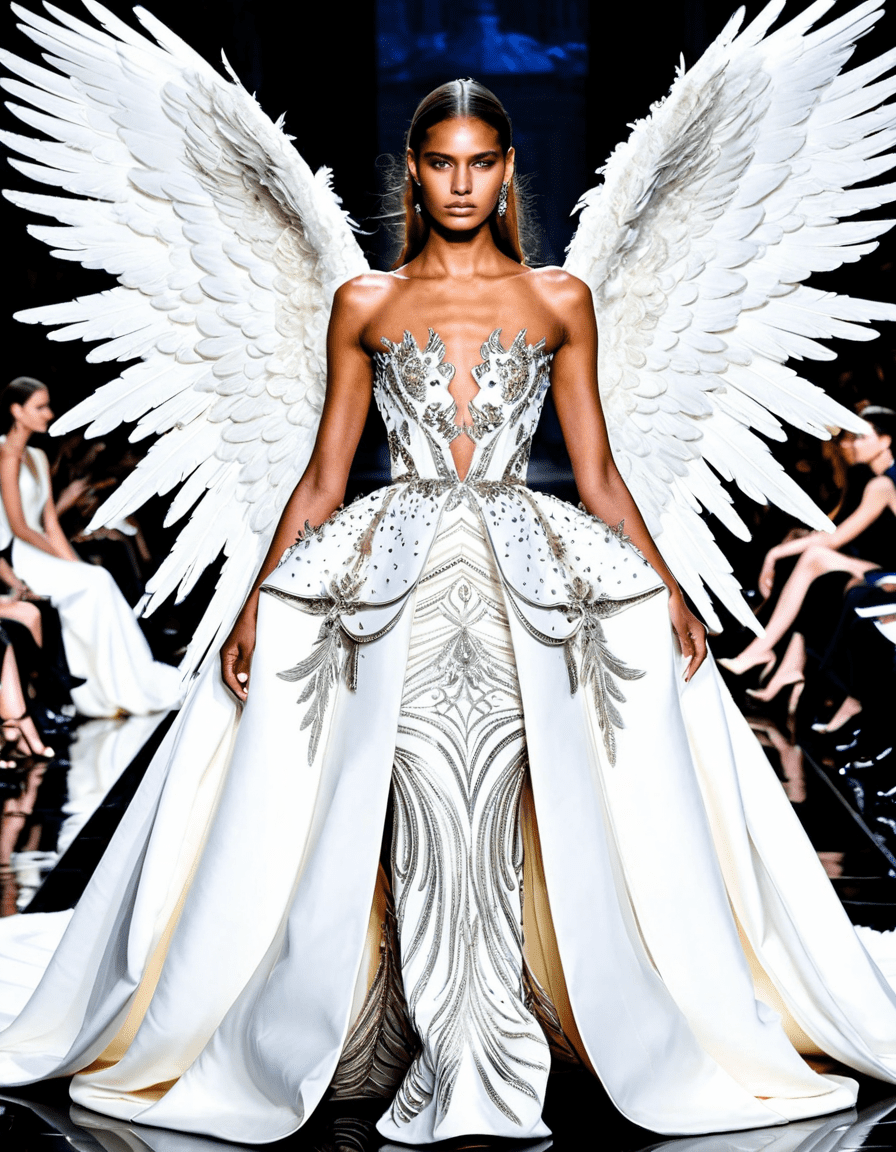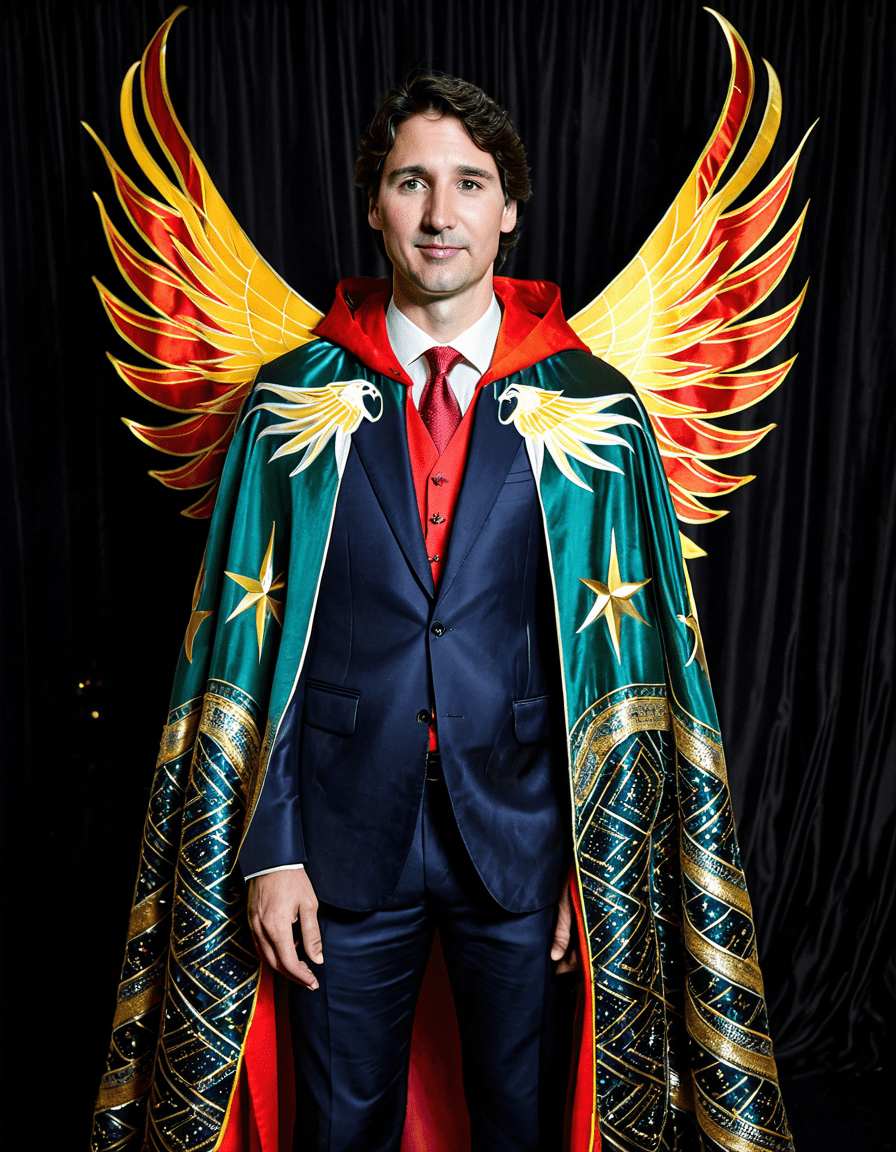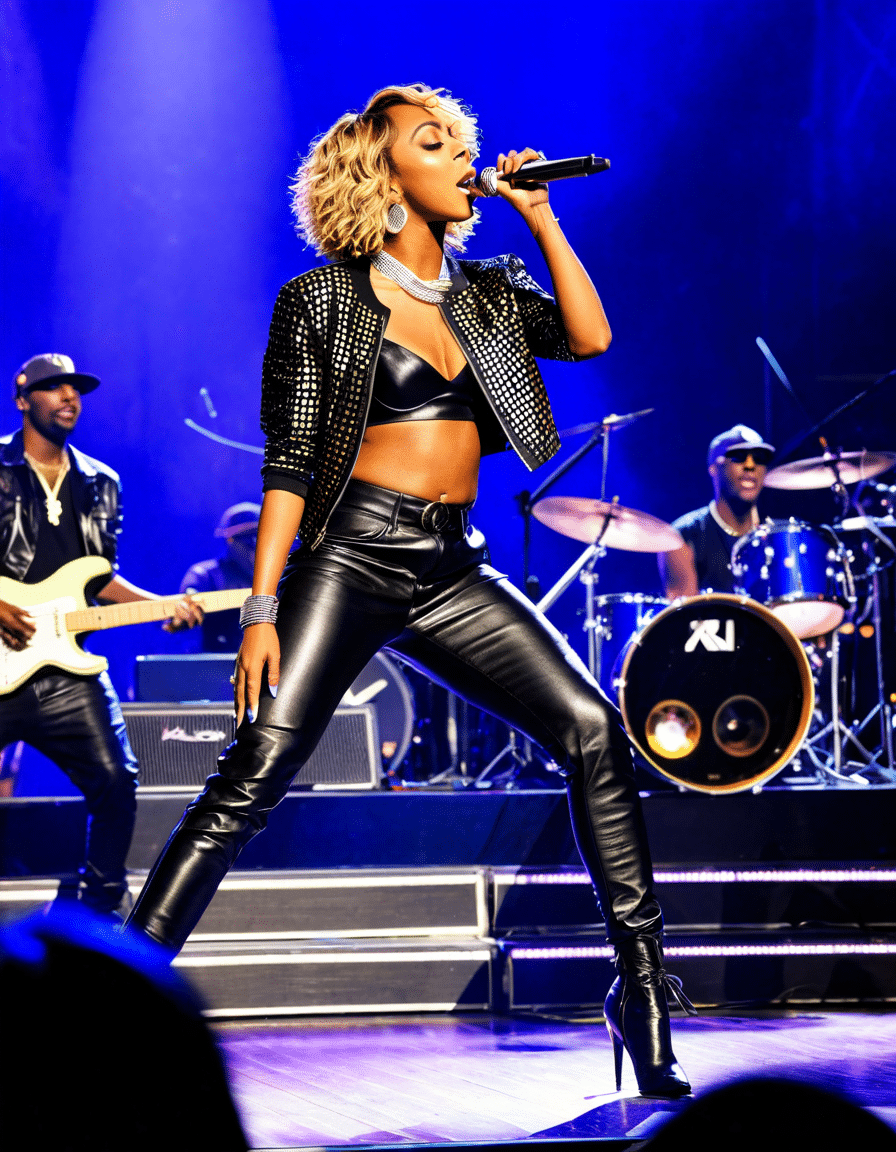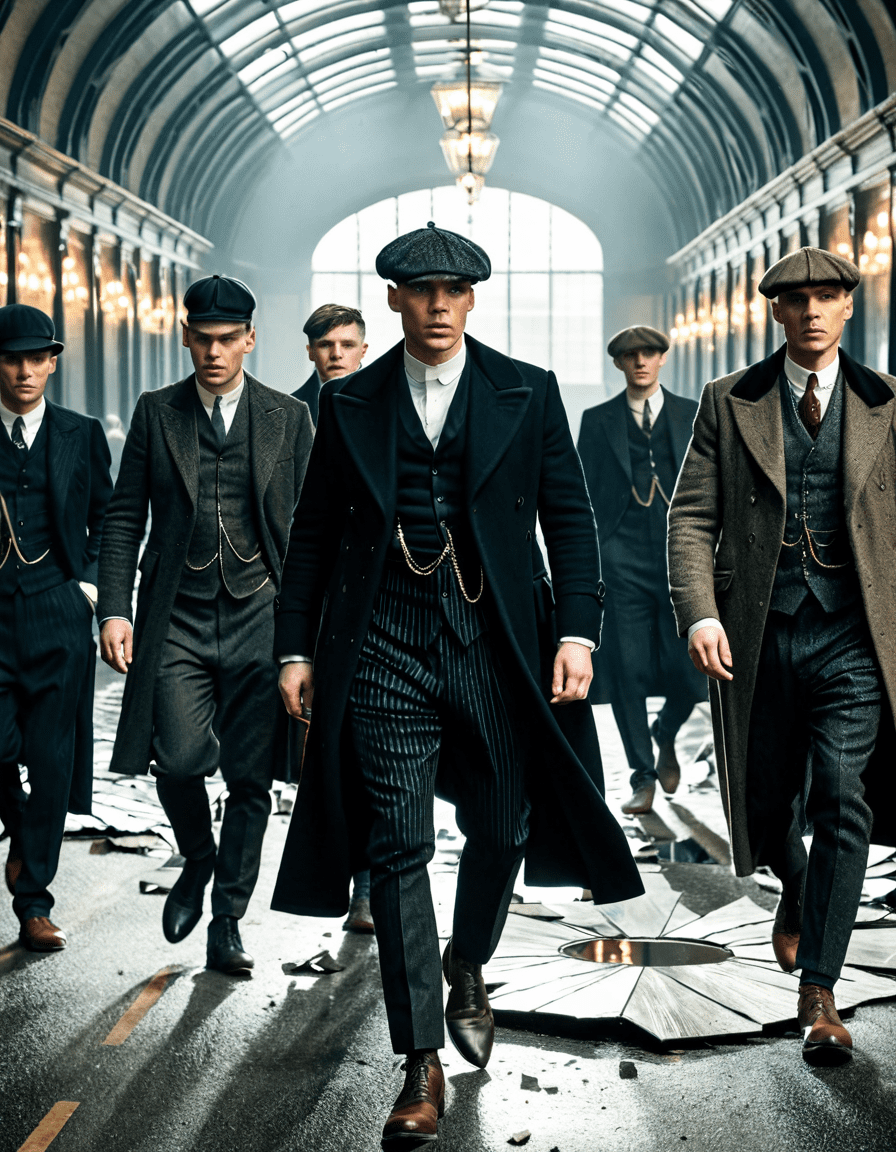
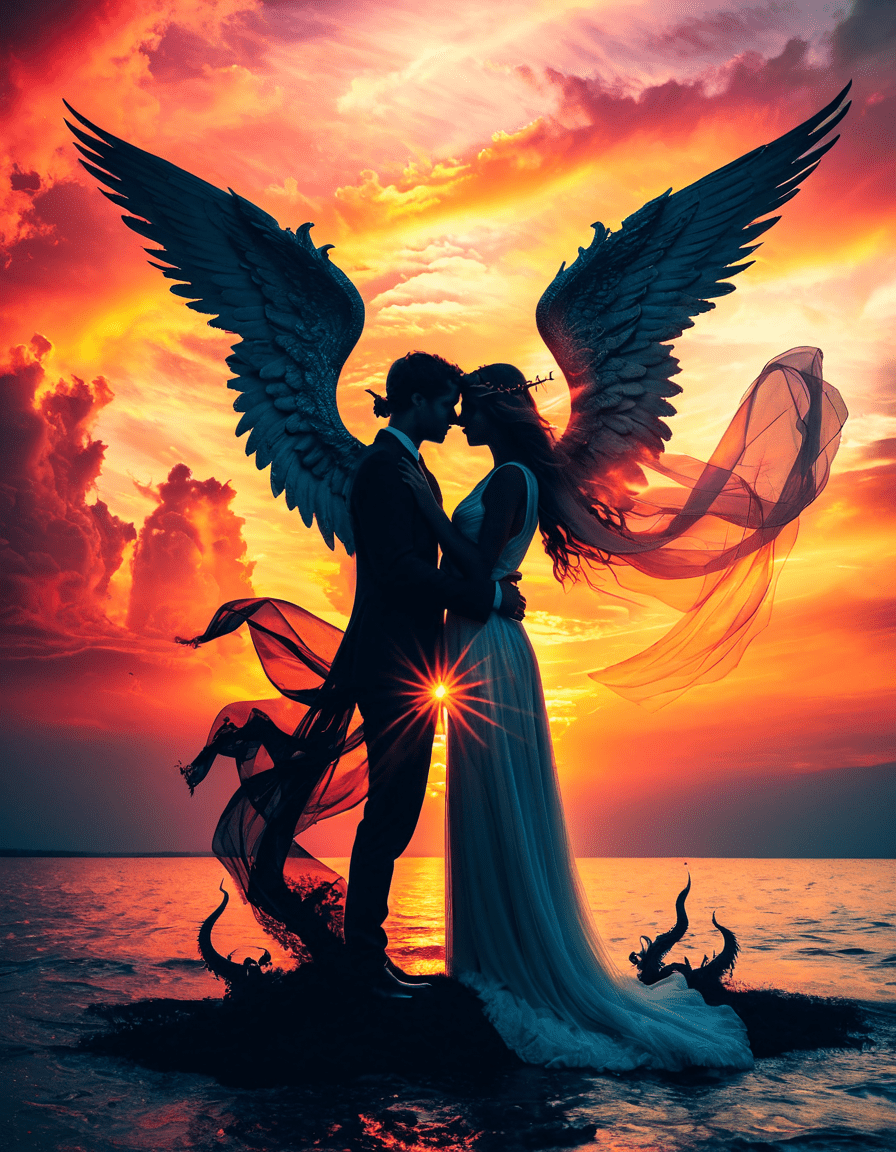
The battle between angels and demons isn’t just a fanciful metaphor; it’s a striking lens through which we examine morality, faith, and identity. These celestial beings have entranced humanity for centuries, appearing in our literature, film, and fashion. Just think about the yin and yang of existence manifesting in ornate gowns and edgy streetwear. Today, angels and demons draw their way onto runways and cinema screens alike, highlighting not only the beauty of light but also the intrigue of darkness.
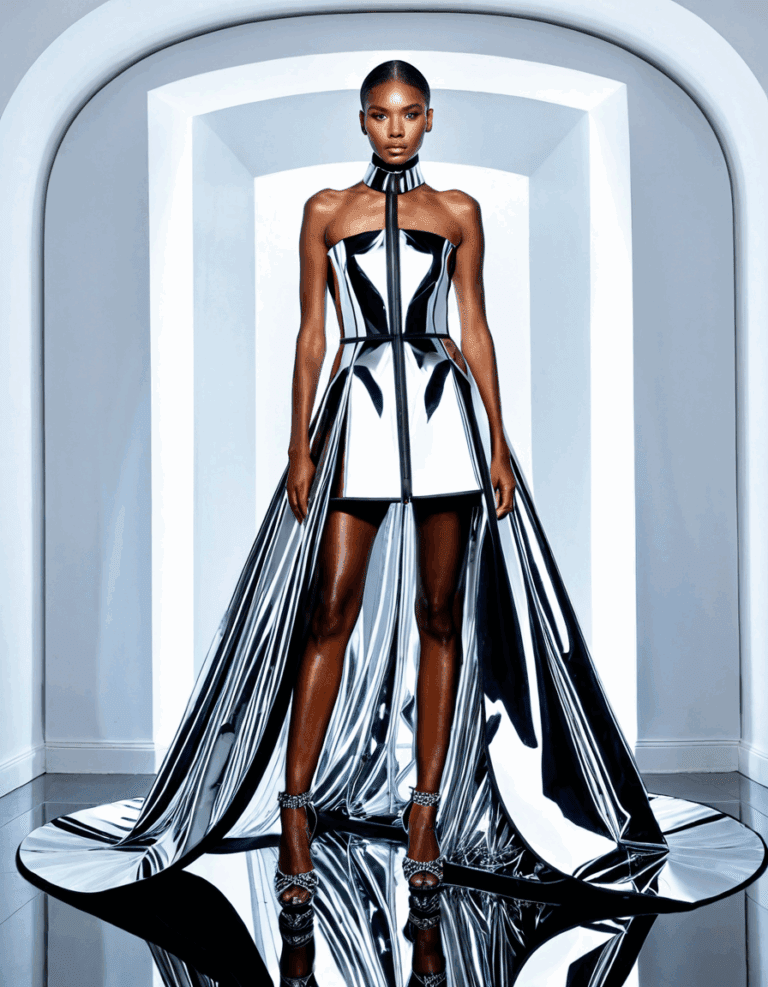
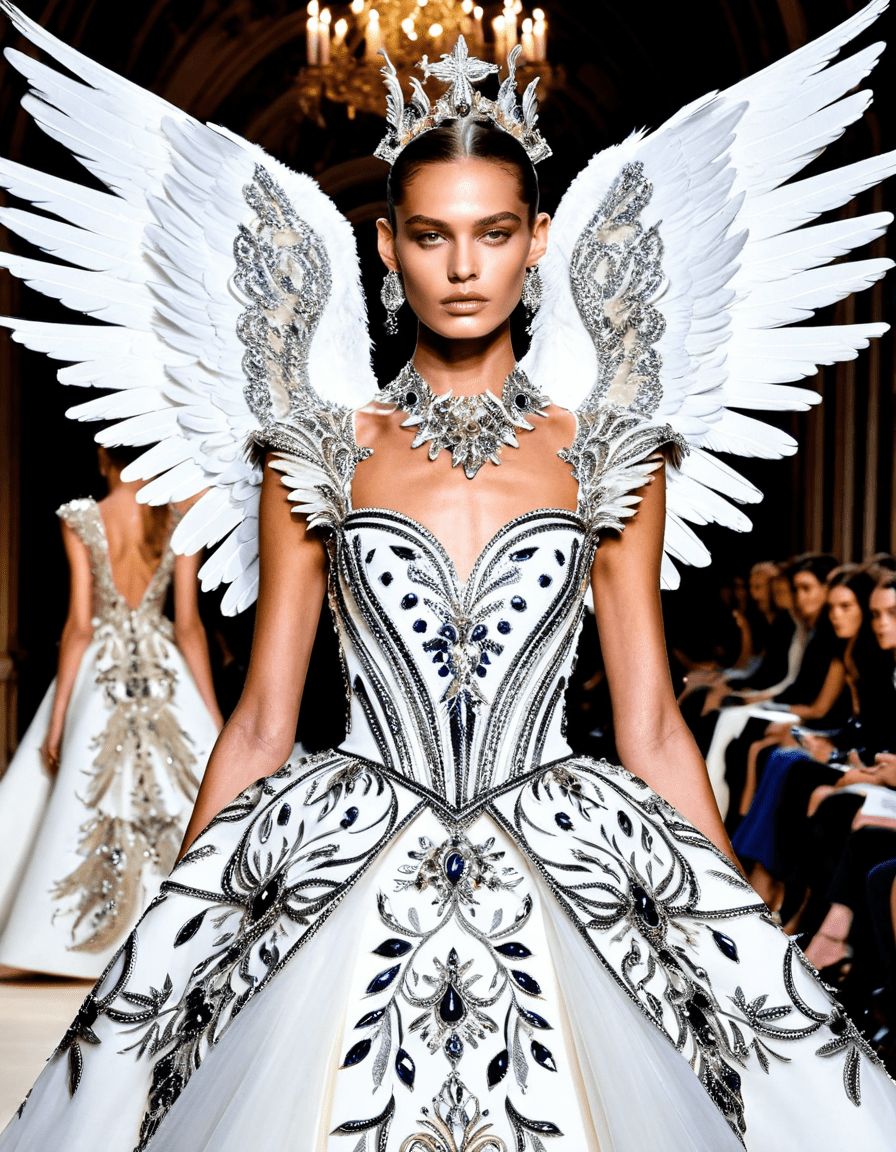
Fashion itself often straddles this compelling divide. With every haute couture show, dressmakers blink against the stark backdrop of cultural dichotomies. Are we choosing angelic purity with crisp white fabrics and flowing silhouettes? Or are we beckoning the drama of dark allure with figure-hugging leather and brooding hues? As we peer into how angels and demons are represented across multiple mediums, it becomes clear they represent our inner conflicts more than we might like to admit.
Top 7 Cultural Representations of Angels and Demons
The spectrum of angels and demons illuminates our moral landscapes, capturing the tension between hope and despair. Iconic representations in popular culture reflect this ongoing struggle, providing rich narratives that resonate deeply with our experiences. Here’s a rundown of how these two sides emerge across different forms:
1. The Da Vinci Code by Dan Brown
Dan Brown’s literary masterpiece, The Da Vinci Code, brings the fight of angels and demons into our contemporary consciousness. The thrilling narrative revolves around religious art, revealing layers of ancient symbolism and historical rivalries. This artful unraveling not only transports readers through secret societies but also delves into the deeper implications of belief, suggesting how both angelic and demonic influences shape our interpretations of history and truth.
2. Supernatural (TV Series)
In Supernatural, the iconic journey of the Winchester brothers epitomizes the tension between light and dark. They traverse a universe populated by angels and demons, drawing heavy influence from biblical narratives while creating their unique mythology. By cleverly tackling morality and the human condition, the series encourages viewers to confront their own demons and consider the weight of choice in a world where both forces vie for dominance, shedding light on complexities we all grapple with.
3. The Exorcist (Film Series)
No conversation about demons would be complete without mentioning The Exorcist. This horror cornerstone presents demons as dark manifestations that seek to corrupt human innocence. The battle of exorcism against these malevolent forces serves as a powerful metaphor reflecting society’s struggles with evil. This cinematic triumph taps into deep-seated fears, challenging us to confront what lurks within and around us—an exploration of purity versus corruption woven into our collective psyche.
4. Paradise Lost by John Milton
John Milton’s epic, Paradise Lost, masterfully depicts the celestial battle between angelic light and demonic rebellion. Here, angels emerge as valiant beings representing hope and loyalty, while demons, led by the rebellious Lucifer, embody the chaos of dissent. This comprehensive dialogue around free will serves to provoke questions regarding our own actions, encouraging readers to reflect on motivations—both virtuous and sinister—in their pursuits of happiness.
5. Nine Perfect Strangers by Liane Moriarty
With Liane Moriarty’s Nine Perfect Strangers, we encounter a modern twist on the theme of angels and demons. Set within the confines of a wellness retreat, the characters exhibit both angelic traits of healing and demonic qualities of manipulation. The intertwining stories expose complex relationships and moral dilemmas, showcasing how the light of redemption can exist alongside the darkness of despair.
6. Angel Heart (Anime)
In the animated series Angel Heart, the narrative elegantly weaves together the lives of angels and demons. The story revolves around a human spirit merging with that of an angel, articulating themes of chance, identity, and moral decisions. This intersection manifests in profound emotional revelations, suggesting that our understanding of good and evil isn’t always black and white, and illumination often springs from our darkest struggles.
7. The Strangers Chapter 1
The Strangers Chapter 1 encapsulates its horror through a perversion of normality, where abstract demons emerge from unseen chaos. This unnerving depiction distorts the protection we associate with angels, emphasizing humanity’s vulnerability to random acts of violence. By presenting faceless aggressors, the film challenges our sense of safety, marking a stark contrast between perceived angels and the chaotic forces lurking in our lives.
The Conflict in Modern Media: From Ancient Texts to Contemporary Screens
Media has transformed into an accessible battleground, illustrating the ever-present conflict between angels and demons. As we witness the evolution of narratives, it becomes evident that our present-day representations are more than surface aesthetics. Instead, they engage with profound societal anxieties and moral complexities that compel us to take a closer look.
Evolving Narratives in Television and Film
Television and film today are incorporating refreshing representations of angels and demons. Shows like The Good Place portray angels as multifaceted beings navigating ethical dilemmas, transitioning our understanding beyond simplistic binaries. In this captivating narrative, angelic characters face moral quandaries that resonate deeply with our own experiences, inviting viewers to ponder their choices and the implications of their actions.
Conversely, horror films increasingly portray demonic figures as reflections of psychological battles rather than just malevolent beings. For instance, Hereditary employs demonic possession as a metaphor for familial trauma—a concept that rings true within our culture, illuminating the complex layers of light and dark that reside inside all of us.
Literature’s Reflection of Society
In a similar vein, modern literature offers characters embodying angelic and demonic traits to highlight societal struggles. Neil Gaiman’s American Gods juxtaposes old deities with the burgeoning modern age—offering commentary on the ongoing war of belief versus cynicism. The narrative forces us to acknowledge how faith evolves and adapts, resonating subtly with the battle between angels and demons as it breathes life into our exploration of ethics.
This literary landscape not only entertains but also serves as a mirror, reflecting our contemporary dilemmas to extract meaning from today’s complexities. Characters we find in these tales help us explore the depths of our moral compass and challenge us to confront the shadows lurking within.
Light and Dark: A Cultural Lens to Explore Humanity
The interplay between angels and demons generates an avenue ripe for intricate exploration. Through varied depictions across cultures and eras, it becomes clear that the battle between light and dark is continual, evolving, and adaptive. These narratives do more than merely entertain; they invite us to reflect on our own morality while assuring us that understanding these figures ultimately deepens our grasp of humanity.
In an increasingly polarized society, these allegories remind us that empathy and darkness coexist within us all, serving as a vital touchstone to traverse the tempestuous terrain of human existence. By shedding light on the duality of our souls, the stories we share become powerful storytelling tools that engage our consciousness.
Embracing the legacies of our past through the lens of angels and demons allows us room for growth—inviting us into profound reflection and insight. As we wrestle with the specters of our adversities, we not only find solace but also spark dialogue around the light we strive to embody while acknowledging our inherent darkness. With storytelling as our tool, we find the will to navigate our complex narrative, a blended dance of angels and demons that continues to define our modern identity.
Angels and Demons: The Battle Between Light and Dark
The Origins and Concepts of Angels and Demons
The conflict between angels and demons has fascinated humanity for centuries, giving rise to various myths and stories. Angels, often depicted as messengers of goodness, have their roots in multiple cultures, from ancient Egyptian deities to Norse mythology. Did you know that Barbara Walters once interviewed famous authors who explored these themes? Their works often highlight the tension and fragility between light and dark, leaving audiences pondering the nature of good and evil. This storytelling tradition continues to captivate modern audiences, as seen with the allure of shows like Jurassic World 4 that blend fantastical elements with moral dilemmas.
Demons, on the flip side, can be traced back to various religious texts and folklore. They represent the darker aspects of human nature and the struggles we face within ourselves. For example, many believe that these entities serve to test our resolve, much like the character arcs in shows starring Elarica Johnson, where conflicts arise not just externally but from within. The timeless battle of angels and demons ignites curiosity, compelling people to dig deeper into their significances.
Pop Culture Representations of Angels and Demons
When it comes to pop culture, the angels and demons theme is everywhere! Movies and books often pull from historical references to create relatable narratives. The casting choices in films like Indiana Jones 5 often reflect these dualities, with characters embodying both angelic and demonic traits, driving home the concept that no one is purely good or evil. Who doesn’t love a villain that’s a bit charming? On the other hand, playful representations, like those seen in quirky commercials for brands like Kin Euphorics, remind us that the spirited nature of angels is within reach.
Moreover, figures like Elon Musk’s son, Xavier, highlight how even well-known personalities can evoke angelic and demonic themes. The media often misconstrues their actions, adding layers of complexity to their public personas. This duality resonates well with audiences, who grapple with the reality that everyone harbors light and darkness within them, much like the age-old tales of angels and demons.
Fun Facts and Trivia
Now, let’s dig into some trivia—they’re often the cherry on top! Did you know that the imagery we associate with angels—those feathery wings and halos—only came into popular culture during the Renaissance? Before that, angels were often portrayed as ethereal beings without such embellishments. This shift highlights how perceptions evolve over time, mirroring the transforming images of golden retrievers smaller than average, who tend to captivate the hearts of many dog lovers.
And here’s another intriguing tidbit: some religious scholars argue that demons might have once been interpreted as guardian spirits before their nature shifted to illustrate our fears and weaknesses. Just like Denise Fraziers motivational lessons that focus on overcoming personal battles, this idea emphasizes the importance of confronting our inner demons. In this ongoing saga of angels and demons, we’re all participants, battling our light and dark, making choices that ultimately shape who we are.