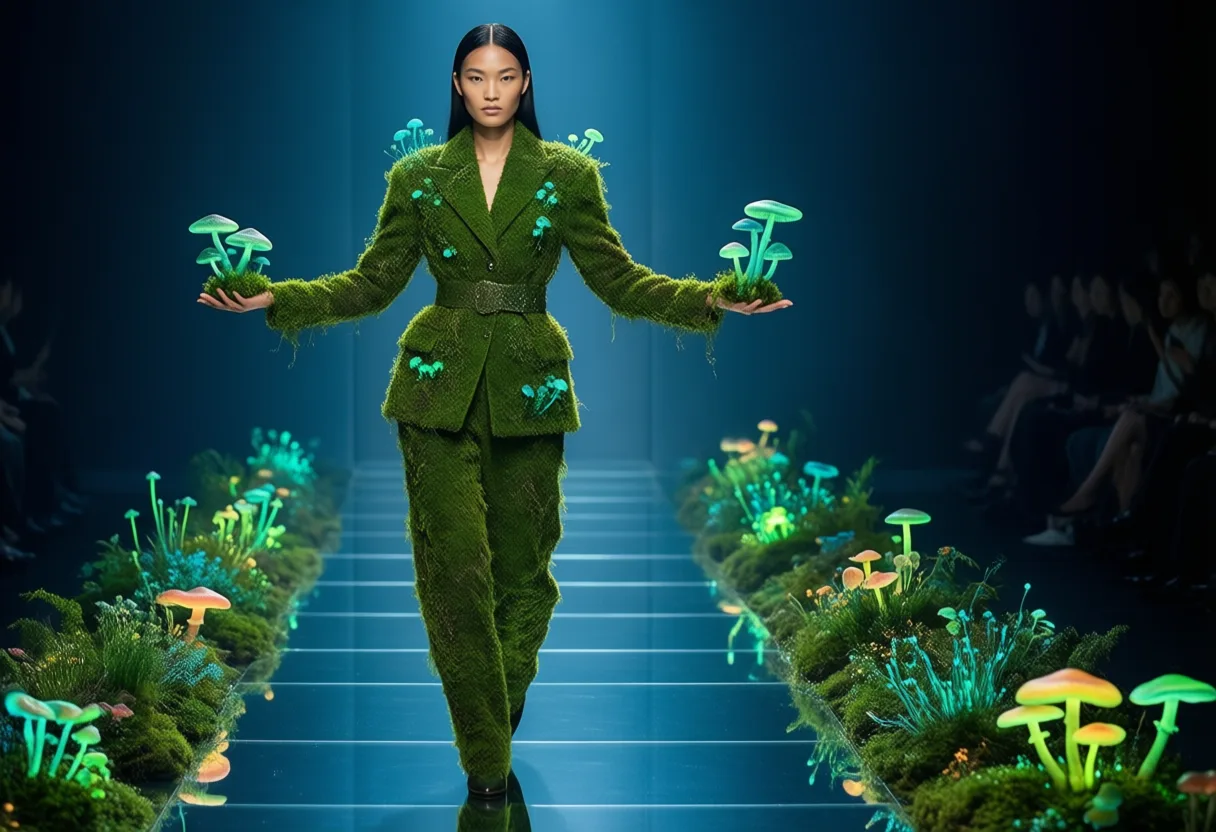
The Runway lights Still hum at the close of another global fashion circuit, but this year, the real buzz isn’t about sequins or silhouettes-it’s about soil, sourcing, and sustainability. Designers didn’t just send models down the catwalk; they sent a message: Fashion’s future is rooted in responsibility.
Gone are the days when eco-conscious dressing meant sacrificing glamour for guilt. In 2024, the most Talked-about looks Balance bold aesthetics with ethical intent, proving that style and stewardship aren’t mutually exclusive-they’re becoming inseparable.

A New Standard for Style
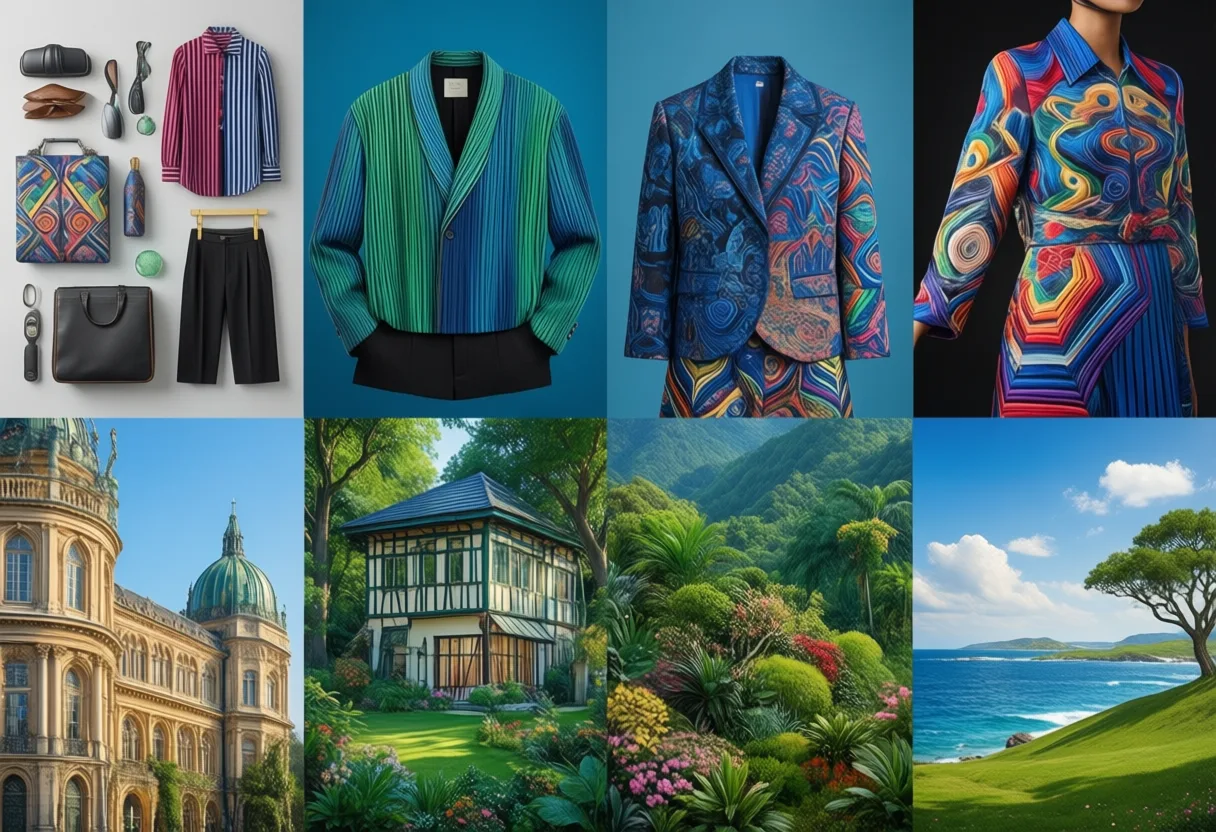
Sustainability no longer sits on the sidelines as a niche concern. It has stepped front and center, shaping collections with intention and integrity. Major houses and emerging labels alike are rethinking their supply chains, not as a marketing ploy, but as a mandate.
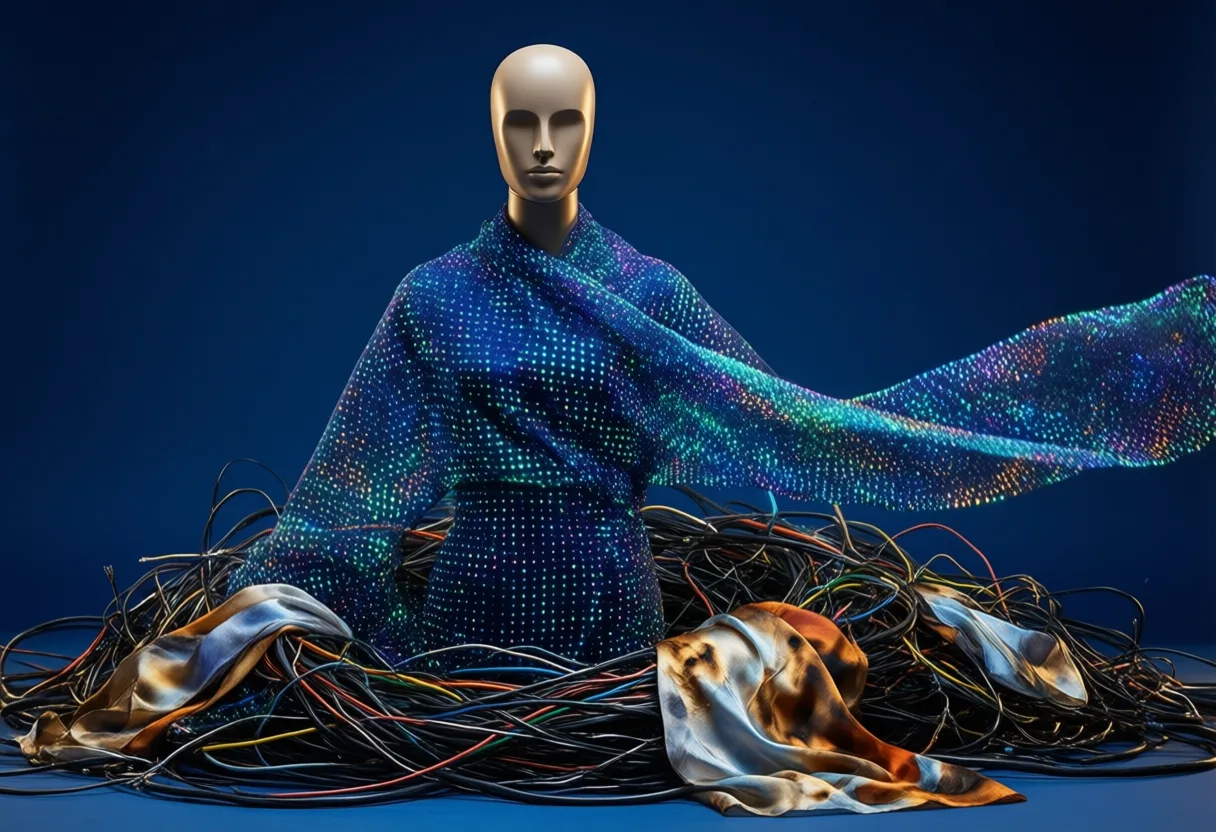
Materials matter more than ever. Organic cotton, recycled polyester, and plant-based leathers made from mushrooms, apples, and even wine waste are now staples-not surprises. These fabrics don’t just reduce environmental impact; they challenge the myth that Green Means drab.
Designers are embracing Closed-loop production, where waste is minimized and materials are reused or returned to the earth safely. This isn’t recycling as an afterthought-it’s engineering garments from day one to have a second life.
- Zero-waste pattern cutting is now standard in leading studios
- Dyeing processes use significantly less water and non-toxic pigments
- Transparency in labeling allows consumers to trace a garment’s journey
It’s not about perfection. It’s about progress-and this season, progress wears well.
The Rise of Regenerative Fashion
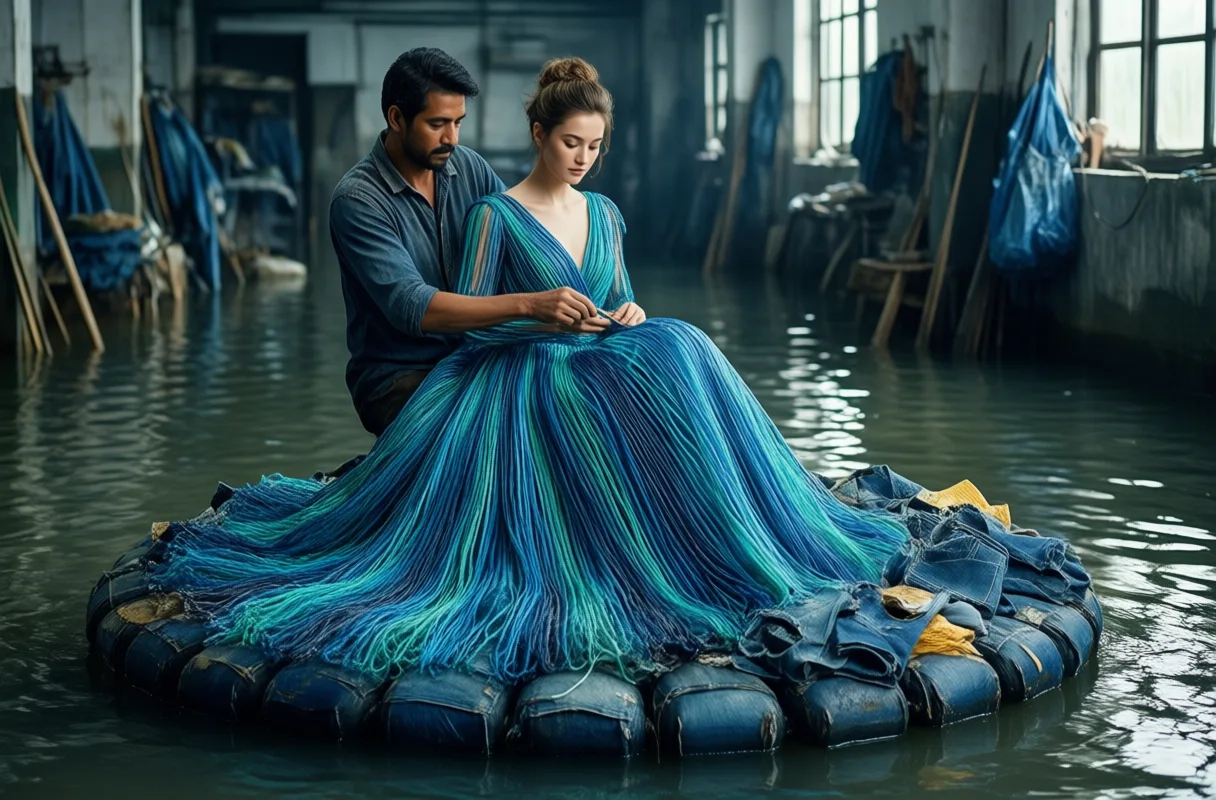
Beyond “doing less harm,” the 2024 movement pushes toward Regenerative design-clothing that actively improves the environment. Think fibers grown in carbon-sequestering farms, dyes derived from food industry byproducts, and partnerships with farming communities restoring degraded land.
This shift reflects a deeper understanding: fashion doesn’t exist in a vacuum. It pulls from ecosystems, employs thousands, and shapes cultural values. When a brand chooses regenerative wool, it’s not just buying material-it’s supporting land management that rebuilds soil health and biodiversity.
Luxury, once defined by excess, is being redefined by accountability. Consumers are asking: Who made this? Where did it come from? What happens when I’m done wearing it? And for the first time, many brands can answer with clarity.
Circularity is no longer a buzzword-it’s a business model. Rental platforms, resale integrations, and repair services are now embedded into brand identities. Some labels even offer take-back programs, turning old pieces into new ones.
The message is clear: your clothes shouldn’t end up in a landfill. They should evolve.
Culture Wears Conscious Now
Street style in 2024 tells the same story. From Milan to Manhattan, influencers and everyday wearers are mixing vintage finds with Modern sustainable Staples. Thrifting isn’t a budget move-it’s a statement. A patchwork coat from the ‘90s paired with biodegradable sneakers says more than any logo ever could.
Celebrity endorsements have helped, but the momentum is grassroots. Young designers are launching labels with ethics baked into their DNA, often using crowdfunding to bypass traditional, wasteful systems. They’re not waiting for permission-they’re setting the pace.
Social media plays both cheerleader and watchdog. One post can spotlight innovation-or expose greenwashing. That pressure keeps brands honest and consumers informed.
Fashion, at its best, reflects who we are and who we want to be. In 2024, that means looking good while doing good. Not because it’s trendy-but because it’s necessary.
And that, perhaps, is the most stylish evolution of all.
Style Meets Substance on the Global Stage
Materials With a Mission
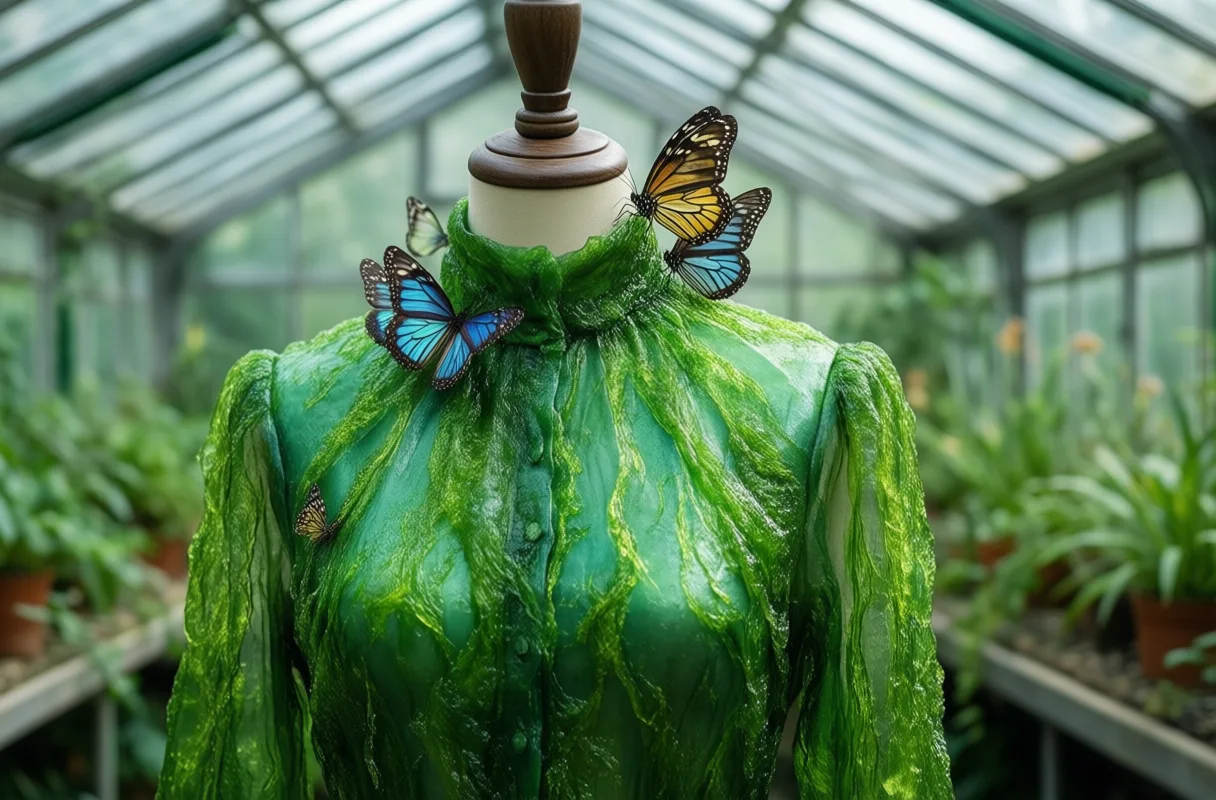
Forget plastic bottles turned into polyester-this year’s expos spotlighted textiles spun from kelp, mushroom mycelium leather, and even discarded wine industry grape skins. These innovative fabrics aren’t just lab experiments; they’re hitting runways with serious style, offering breathability, biodegradability, and a fraction of the environmental toll. Designers are pairing them with zero-waste pattern cutting, meaning nearly every scrap of fabric gets used in the final piece.
Tech That Talks Fashion
Smart mirrors made their splash at fashion expos, letting shoppers see how an outfit moves and drapes without stepping into a fitting room. But the real surprise? Some garments now come embedded with QR codes linking to their full lifecycle story-where the fibers were grown, how much water was saved, and even how to compost them. It’s transparency stitched right into the seam, turning clothes into storytellers.
Runway to Reuse in Real Time
Live upcycling took center stage, with designers transforming donated vintage pieces into fresh collections during the expo itself. One pop-up show featured models walking the catwalk moments after garments were reworked on-site, proving sustainability doesn’t mean waiting. Attendees could even drop off old clothes and watch them get reborn-fashion’s version of farm-to-table, but for wardrobes. Explore more stories, videos, and creators on Loaded.
Frequently Asked Questions
What are some sustainable materials used in fashion in 2024?
In 2024, designers use organic cotton, recycled polyester, plant-based leathers from mushrooms, apples, and wine waste, as well as innovative textiles from kelp and grape skins.
How are brands making fashion more transparent?
Brands now embed QR codes in garments that link to the item’s lifecycle story, including fiber origin, water savings, and composting instructions, offering full transparency.
What is regenerative fashion?
Regenerative fashion uses materials grown in carbon-sequestering farms and supports land restoration. It aims to improve the environment, not just reduce harm.
How are designers reducing fabric waste?
Designers use zero-waste pattern cutting, closed-loop production, and on-site upcycling of donated vintage clothing to minimize waste and reuse materials effectively.
This article was produced with AI assistance. How Paradox Magazine uses AI.
Darnell covers celebrity narratives as cultural touchstones, focusing on representation, legacy, and the shifting power dynamics in entertainment. He approaches profiles with empathy and scrutiny, revealing the person behind the persona while contextualizing their influence.