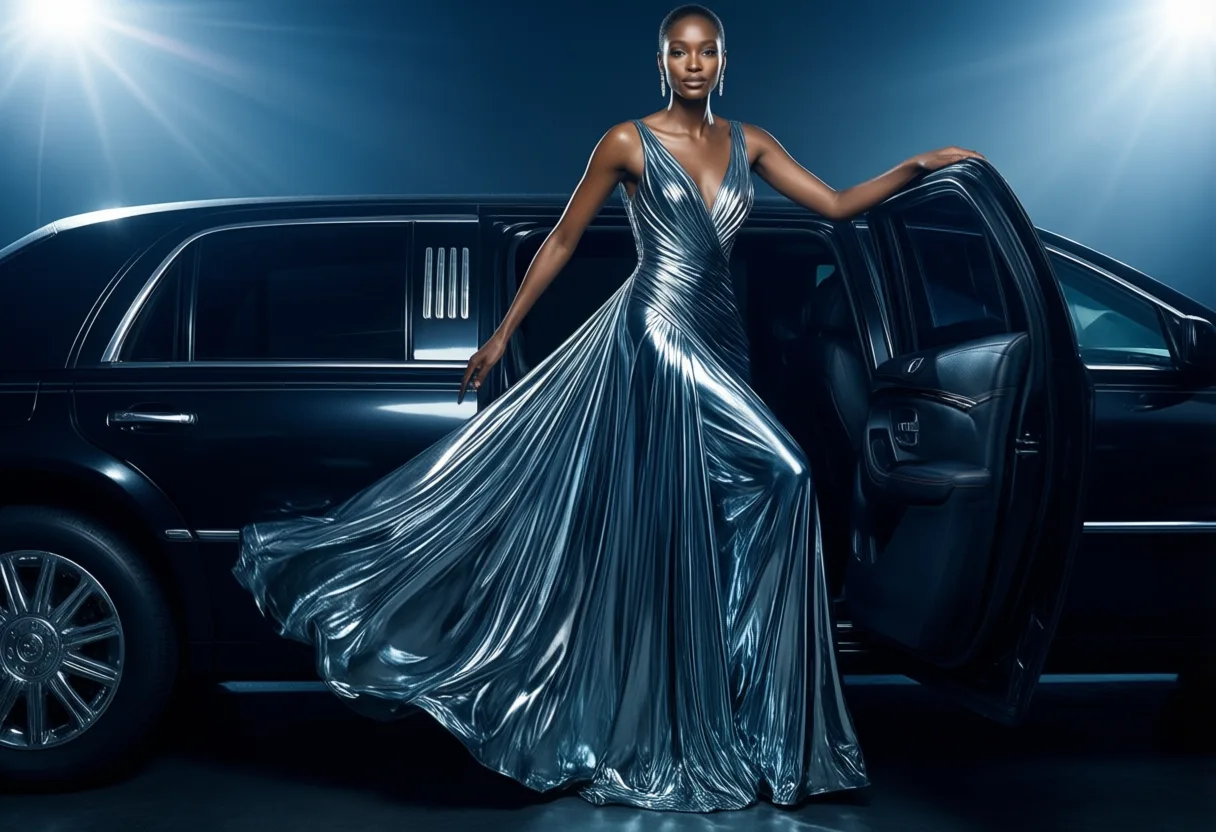
Red carpets this Year Didn’t just showcase gowns and tuxedos-they revealed a cultural shift. Fashion spoke in silences, in bold strokes, in choices that felt personal, powerful, and precise.
What Red Carpet Moments Defined This Year’s Fashion Landscape?
This season’s most talked-about looks weren’t always the loudest. Some of the strongest statements came from restraint-a single color, a clean line, a perfectly tailored shoulder. The fashion world watched closely when a few key figures stepped onto the Carpet And changed the conversation entirely.
There was a moment at one major awards show when all eyes turned not to the host, but to a quietly dressed guest who moved through the flashbulbs like a modern-day icon. No feathers, no fringe-just fabric cut so well it seemed to hum. That silence was deafening.
Other moments crackled with energy: a plunge neckline here, a daring slit there, a hue so rich it looked lit from within. These weren’t accidents. They were decisions made with intention, each look calibrated to reflect not just style, but identity.
What stood out wasn’t novelty for novelty’s sake. It was Authenticity. Whether draped in vintage or draped in new money minimalism, the best-dressed understood their own silhouette, their own story. And they wore it like armor.
The Comeback of Vintage Glamour: Why Old Hollywood Feels New Again
Old Hollywood never really left-but this year, it returned with purpose. We saw stars channeling the elegance of eras past not as costume, but as continuation. Think bias cuts, satin gloves, waves pinned just so. Not retro. Reverent.
One actress arrived at a premiere in a Gown That echoed the kind worn in black-and-white film stills-high neck, long sleeves, backless. The effect? Timeless. Not because it looked old, but because it refused to chase trends. She wasn’t playing dress-up. She was making a statement: glamour has rules, and she knows them.
Another starlet chose a look inspired by 1940s tailoring-sharp waist, padded hips, a train that followed her like a shadow. The craftsmanship was undeniable. But more than that, it signaled respect-for fabric, for form, for the women who wore such silhouettes before us.
- Bias-cut gowns returned in silk and crepe
- Hair styled with precision, not perfection
- Accessories chosen for meaning, not matchiness
The message was clear: nostalgia isn’t about looking backward. It’s about bringing forward what matters.
Which Stars Mastered the Art of Quiet Luxury?
Quiet luxury stopped being a buzzword and became a language. This year, some of the most influential red carpet appearances featured no logos, no embellishments, no screaming for attention. Instead, they whispered.
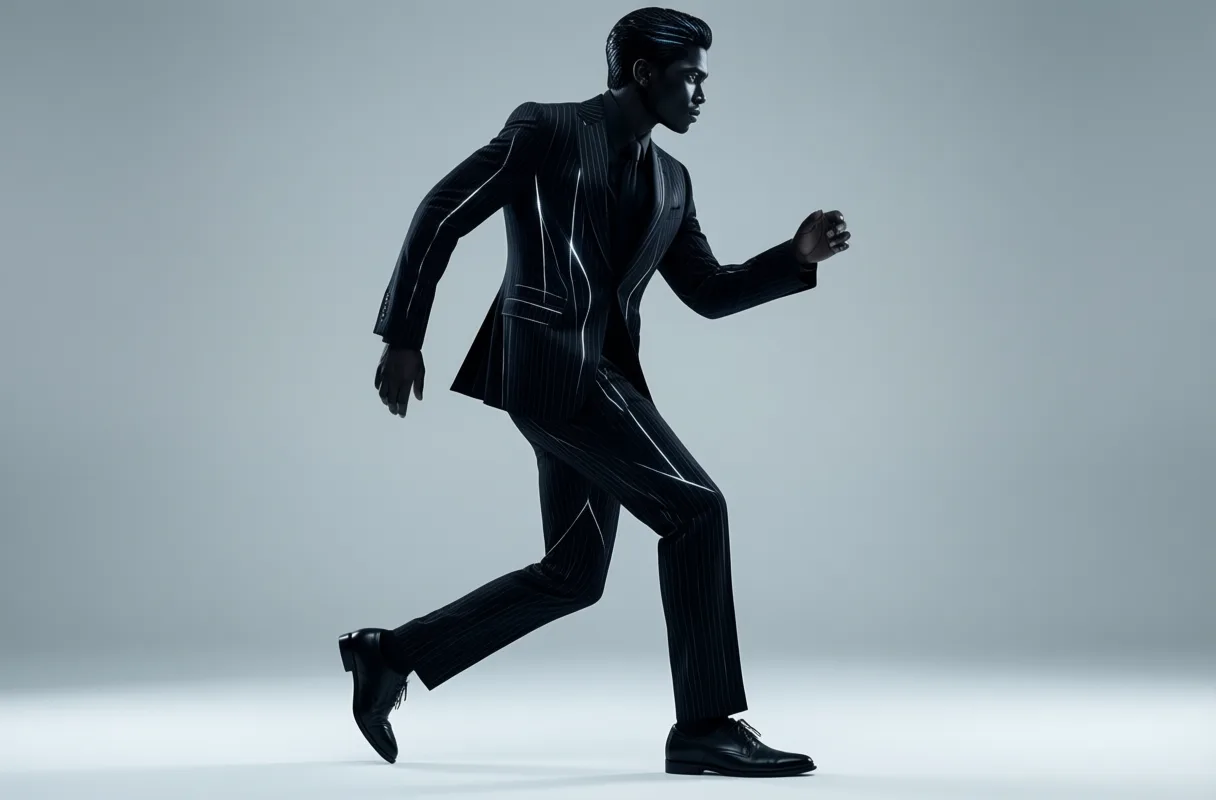
A leading man walked the carpet in a charcoal suit that looked simple-until you saw the drape, the fall of the lapel, the way it moved with him. No pocket square, no flashy tie. Just presence. He didn’t need to say a word. The suit said it all.
Similarly, an A-list actress chose a cream column dress with zero ornamentation. No beading, no cutouts. Just structure. The fabric caught the light like water. Reporters later asked her designer. She smiled. “It’s not about who made it. It’s about how it makes me feel.”
That’s the essence of quiet luxury: It doesn’t announce itself. It reveals itself over time. In the way the wool breathes. In the weight of the zipper. In the absence of noise.
These looks weren’t boring. They were Bold in their simplicity, proving that confidence doesn’t require clutter.
How Minimalism Took Center Stage Without Saying a Word
Minimalism ruled-not as a trend, but as a philosophy. The red carpet saw a rise in monochrome dressing, neutral palettes, and designs that celebrated the body without manipulating it. No corsetry. No padding. Just proportion.
Designers leaned into precision. A single seam placed just right. A hemline that grazed the ankle exactly where it should. These weren’t afterthoughts. They were calculations made by people who understand that less is only more if it’s done right.
We noticed a pattern: the most photographed moments often involved stillness. A star standing, arms at her side, letting the camera drink in the purity of the line. No twirls. No hair flips. Just Being.
- Neutral tones dominated: sand, stone, ash, ivory
- Fabrics favored for drape over dazzle
- Cuts emphasized natural posture, not exaggerated curves
In a world shouting for attention, these looks refused to shout back. And that’s why we heard them so clearly.
When Did Bold Color Make Its Big Return?
Color didn’t creep back-it crashed in. One evening, a performer stepped out in a shade so vivid it stopped scrolling fingers mid-swipe. Not pastel. Not dusty rose. Red. Real red. Like stoplight. Like fury. Like passion unapologetic.
That night, everything else on the carpet suddenly looked cautious. Safe. Muted. Here was someone who wasn’t asking permission to be seen. She was claiming visibility. And the fashion world exhaled in relief-color was back, and it meant business.
Other stars followed: cobalt, emerald, fuchsia. Not as accents. As full declarations. One actor wore a tuxedo dyed deep plum-unexpected, regal, alive. Another chose a jumpsuit in sunflower yellow, pairing it with sunglasses and zero hesitation.
Color this year wasn’t decorative. It was Declarative. A way to say, “I’m here. I’m present. I choose joy, power, defiance-all in one hue.”
The Night Red Turned Heads and Changed the Game
Let’s talk about that red. Not just any red. The red that made headlines, fan edits, and late-night monologue jokes. It wasn’t merely worn-it was weaponized. Wielded like a flag.
The gown had a mermaid silhouette, but none of the usual drama. No train that needed a handler. No crystals stealing the show. Just red. Liquid red. Like it had been poured on.
Photographers didn’t just snap. They Studied. Because the color changed under different lights-deeper in shadow, brighter under flash. It behaved like a living thing. And the woman inside it? Cool. Calm. Like she knew she’d already won.
That moment proved something: One perfect choice can outweigh ten good ones. You don’t need variety when you have conviction.
And afterward? Red appeared everywhere-in editorials, in streetwear, in bridal trials. Not imitation. Inspiration. The ripple was real.
Can Statement Silhouettes Be Worn Outside the Carpet?
Of course they can-if you know how to translate them. This year gave us gowns with 10-foot trains, puffed sleeves big enough to sleep in, and skirts that required doorways to be cleared. Impractical? Yes. Influential? Absolutely.
But influence isn’t about copying. It’s about borrowing. That dramatic sleeve? Try it in a cropped blazer with jeans. The voluminous skirt? Reimagine it in midi length, in cotton, for a summer wedding. The train? Maybe leave that at home.
One stylist put it best: “The red carpet is theater. Your life is not. But you can borrow the costume.”
- Oversized shoulders can balance a fitted pant
- Volume in the skirt can work in day-friendly fabrics
- Dramatic backs inspire open-back tops for evening
The point isn’t to wear the spectacle. It’s to Carry the confidence That made the spectacle possible.
Turning Dramatic Trains and Volume into Everyday Inspiration
Take that ballgown with the cathedral train. Gorgeous. Also, a tripping hazard in your kitchen. But the Idea Of it-the grand exit, the sense of arrival-that’s portable.
Imagine a coat with a slight flare in the back, mimicking that movement. Or a dress with a hidden pleat that unfolds when you walk. These are subtle nods, not cosplay.
Even the biggest silhouettes taught us something: Fabric has memory. It remembers how it was meant to move. So when you choose a piece with volume, let it breathe. Don’t squeeze it into a space it wasn’t made for.
And remember: drama doesn’t require size. A small puff on the sleeve, a slight kick in the hem-these gestures speak volumes when done with intent.
What Happens When Jewelry Becomes the Outfit?
This year, accessories didn’t complement the look-they led it. We saw earrings so large they framed the face like Renaissance portraits. Necklaces so bold they replaced necklines. Rings worn not on one finger, but across three.
One star wore nothing but a slip dress and a single necklace-a sculptural piece that curved from collarbone to shoulder like armor. The dress was simple. The jewelry was the event.
Another went bare-armed, bare-necked, but wore chandelier earrings that caught every flash. Her hands stayed down. Her head stayed high. The earrings did the talking.
Jewelry became architecture. Not decoration. Structure. It defined space, redirected focus, created balance where none seemed possible.
And the lesson? You don’t need layers to make a statement. Sometimes, One object, perfectly chosen, is enough.
The Rise of the Singular Showstopper Accessory
Call it the power of one. Instead of stacking, stars began selecting-one piece to rule them all. A cuff. A pendant. A pair of ear cuffs that climbed like vines.
This wasn’t minimalism. It was Maximalism in focus. All the drama concentrated in a single point.
We saw men embracing this too: a brooch on a lapel, a chain thick as rope, worn solo. No watch. No rings. Just that one flash of metal saying, “Look here.”
It changed how we see accessorizing. Not as accumulation, but as curation. Less like shopping, more like editing.
- Choose one focal point per outfit
- Let it contrast in scale or texture
- Keep the rest clean, so it speaks freely
Because sometimes, the loudest thing you can wear is silence-except for one perfect sound.
How Did Gender-Fluid Fashion Claim the Spotlight?
Gender-fluid fashion didn’t break through this year-it settled in. We saw more fluidity not as stunt, but as standard. Suits on women. Gowns on men. Skirts with boots built for walking.
One performer wore a tailored jacket with lapels wide enough to fly, paired with a flowing sheer skirt. He moved through the crowd like a storm wrapped in silk. No explanation. No apology.
Another star chose a jumpsuit with a corseted top-traditionally feminine-but in black wool, severe and strong. She looked both protected and powerful.
The common thread? Clothing wasn’t used to blur lines. It was used to erase them entirely.
Designers offered pieces that simply fit bodies, not binaries. And the red carpet responded-not with shock, but with recognition.
Breaking Boundaries with Tailoring and Unexpected Elegance
Tailoring led the charge. A tuxedo shirt worn open, no tie, with a crystal harness over bare skin. Sharp pants with a ruffled blouse billowing like a sail. These weren’t contradictions. They were conversations.
We noticed more stars choosing formalwear traditionally coded for another gender-and wearing it with such ease it made the coding seem absurd.
- Blazers on dresses
- Corsets over suits
- Heels on tuxedo-clad feet, regardless of gender
Elegance stopped being about following rules. It started being about Writing new ones-with scissors, with courage, with a needle and thread.

Where Do You Start If You Want to Recreate These Looks?
You start with what you already own. Not with a shopping spree. Not with a closet purge. With observation. With honesty.
Ask: What part of my body do I want to highlight? What color makes me feel alert, awake, alive? What silhouette feels like Me, not like a trend?
Then, borrow from the red carpet like an artist-not a copyist. Take the idea, not the item.
- Love that puff sleeve? Find it in a denim shirt
- Inspired by that red dress? Try a scarf, a bag, lipstick
- Drawn to the jewelry moment? Invest in one standout piece
Fashion isn’t about replication. It’s about Translation.
Simple Swaps to Channel This Year’s Most Memorable Styles
You don’t need a couture gown to feel transformed. Sometimes, the smallest change carries the most weight.
Try these:
- Swap your everyday watch for a bold cuff-same wrist, new attitude
- Replace a basic tee with a shell top-same jeans, elevated
- Trade flats for pointed-toe heels-same dress, different energy
Or reverse it: wear that ballgown skirt with a plain white tee. Let the clothes breathe. Let You Breathe.
The goal isn’t to look like them. It’s to feel like You-amplified.
And the Final Lesson from This Year’s Best-Dressed?
It wasn’t about the dress. It wasn’t about the shoes. It wasn’t even about the brand.
It was about the Moment. The way someone paused at the top of the stairs. The way they held their chin. The way they owned the space like it was made for them-and maybe it was.
The best looks this year didn’t just cover bodies. They revealed people. Not flawless. Not fictional. Human. Present. Certain.
They reminded us that fashion, at its best, isn’t decoration. It’s Declaration.
And the most stylish thing any of us can wear-on the carpet or the sidewalk-is the truth.
| Celebrity | Event | Look or Accessory | Design Detail |
|---|---|---|---|
| Zendaya | Oscars | Custom Maison Margiela Artisanal gown | Sculpted, silver-embellished, avant-garde |
| Doja Cat | Met Gala | Hot pink feathered Moschino jukebox | Working record player, performance art |
| Florence Pugh | Premiere | Electric blue ensemble | Confident, bold self-expression |
| Tessa Thompson | Red carpet | Iridescent gown | Color-shifts in light, metallic finish |
| Jacob Elordi | Venice Film Festival | Oversized vintage brooch | Statement accessory, retro flair |
| Dua Lipa | Grammys | Crystal-encrusted gloves | Elevated eveningwear, standout detail |
| Chloë Sevigny | Cannes | Platform Mary Janes (reprise) | Originally worn in 1999, iconic revival |
Red Carpet Revelations
Daring Debuts and Fashion Firsts
Zendaya made headlines at the Oscars when she became the first person to wear a custom Maison Margiela Artisanal look on the red carpet, a nod to the usually avant-garde, rarely red-carpet-friendly label. Her sculpted, silver-embellished gown proved that high fashion and Hollywood glamour can collide in the most stunning ways. Meanwhile, at the Met Gala, Doja Cat arrived in a hot pink, feathered Moschino ensemble that doubled as a working jukebox, complete with a spinning record - a playful twist that had fans buzzing about performance art on the carpet.
Color Comes Alive
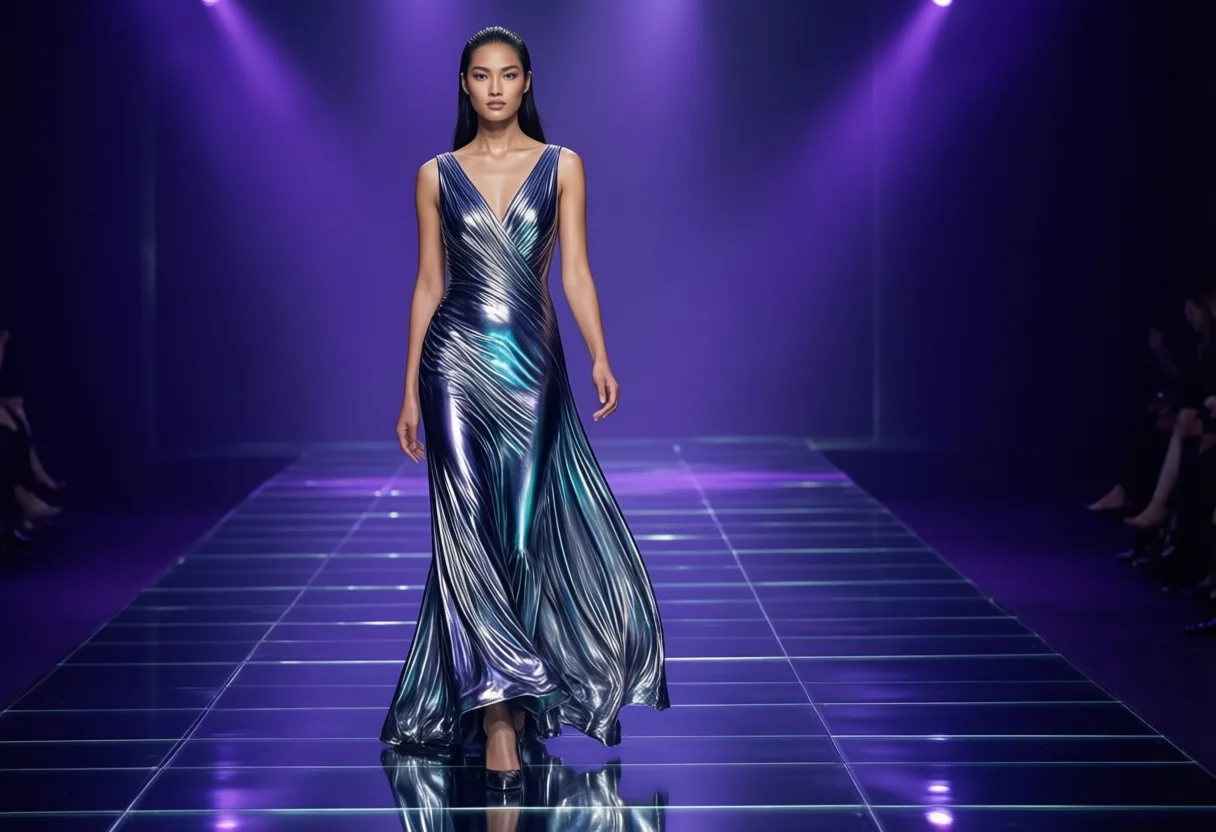
This year’s red carpets saw a surprising shift away from classic black and white. Electric blue emerged as a go-to shade, with Florence Pugh and Paul Mescal both championing the hue at separate premieres. Designers noted that the color, often associated with confidence and clarity, became a quiet symbol of bold self-expression. Equally striking was the rise of iridescent finishes - gowns that shifted color in the light - seen on stars like Tessa Thompson and Donald Glover, who proved metallics aren’t just for eveningwear traditions.
Accessories with Attitude
Forget subtle jewelry - 2024 was the year of the statement accessory. From Jacob Elordi’s oversized vintage brooch at the Venice Film Festival to Dua Lipa’s crystal-encrusted gloves at the Grammys, stars used small details to make big impressions. Perhaps the most talked-about accessory, though, was a pair of sky-high, platform Mary Janes worn by Chloë Sevigny at Cannes. Originally worn in 1999, the reprise was hailed as a full-circle fashion moment, reminding everyone that true style never really goes out of rotation. Explore more stories, videos, and creators on Loaded.
Frequently Asked Questions
What defined this year’s red carpet fashion trends?
This year’s red carpet fashion was defined by authenticity, quiet luxury, bold color, and intentional design. Looks emphasized personal style over trends, with a focus on tailoring, silhouette, and confidence.
Which celebrities made bold fashion statements with vintage or retro styles?
Zendaya wore a custom Maison Margiela Artisanal gown at the Oscars, blending high fashion with Hollywood glamour. Chloë Sevigny revived her 1999 platform Mary Janes at Cannes, creating a full-circle fashion moment.
How did quiet luxury influence red carpet dressing this year?
Quiet luxury emphasized simplicity, fine tailoring, and understated elegance. Stars wore neutral tones, unembellished fabrics, and perfectly cut pieces that conveyed confidence without logos or ornamentation.
What role did color play in this year’s red carpet events?
Bold color made a strong return, with electric blue, red, cobalt, emerald, and fuchsia dominating. These hues were used declaratively, symbolizing presence, joy, and defiance rather than mere decoration.
This article was produced with AI assistance. How Paradox Magazine uses AI.
Darnell covers celebrity narratives as cultural touchstones, focusing on representation, legacy, and the shifting power dynamics in entertainment. He approaches profiles with empathy and scrutiny, revealing the person behind the persona while contextualizing their influence.