Ah, Red Eye 2005! A title that sends shivers down the spine, wrapping audiences in an atmosphere replete with anxiety. Directed by the master of horror, Wes Craven, this film etched its place in the annals of thriller cinema, capturing a whirlwind of fear and tension during an overnight flight. Even in 2026, Red Eye continues to pull back the layers of our psychological vulnerabilities, reminding us that even when soaring high above the clouds, the specter of peril can follow us at any altitude. So buckle up as we explore how this gripping tale resonates with today’s jet-setting world and the cultural narrative surrounding travel significantly.
7 Chilling Elements of the Red Eye Flight Experience
The very notion of a red eye flight — traversing the night sky while shrouded in darkness — serves as the perfect backdrop for delving into primal fears. Lisa Reisert, played with raw emotion by the iconic Rachel McAdams, embodies our innermost anxieties. The claustrophobia of a packed cabin, the wretched isolation from fellow passengers, and the lurking sensation that terror can emerge from anywhere come together to form a potent cocktail of dread. Isn’t it fascinating to think that our vulnerability can follow us, even when we’re literally flying?
Enter Jackson Rippner, a masterclass in villainy, artfully portrayed by Cillian Murphy. Their chilling cat-and-mouse game illuminates the reality that fear can be weaponized. Rippner messes with Lisa’s psyche and turns her world upside down in an instant, showcasing just how fragile human control can be on the treacherous precipice of fear. This concept lingers in our minds long after the credits roll, reminding us how psychological duress permeates everyday life, all masked by a confident exterior.
The year 2005 was tinged with a newfound hyper-awareness of flight safety, a sentiment deeply rooted in the collective consciousness post-9/11. Red Eye played upon these ubiquitous fears. Even though Rippner is a product of fiction, he reflects real-world anxieties revolving around security measures, airport protocols, and the constant questioning of safety while we navigate an increasingly networked world. Who hasn’t eyed that overly-friendly stranger on a red eye flight and found themselves questioning their safety?
Fast forward to today, and safety technology has rapidly transformed since Red Eye graced the silver screen. Imagine a future Lisa Reisert navigating that terrifying night with a suite of modern gadgets at her disposal. She might’ve uploaded a quick selfie for a safety alert or made a discreet call for assistance, adding a layer of complexity to her escape. The brilliance of Red Eye lingers as it nudges us to ponder how we adapt to challenges, especially as tech continues to evolve, shaping our perception of safety.
The film’s impact reached beyond its runtime, planting seeds that influenced numerous depictions of air travel thrillers. Red Eye echoes in the bedazzling thrillers we see today, such as the ever-intriguing Storage Wars, where tension bubbles beneath a veneer of excitement. The exhilarating blend of anxiety and anticipation in both mediums keeps viewers glued to their screens. After all, isn’t it the thrill of uncertainty that draws us to the unknown, whether on a late-night flight or in the unpredictable world of bidding on forgotten treasures?
Even more intriguing is how Red Eye stacks up against the eerie vibes of The X-Files. Both delve into the psychological landscape of fear while exploring themes of vulnerability and security. Just as Mulder and Scully face both monsters and human frailty, Lisa’s nightmare revolves around an ominous individual whose manipulation strikes a very human nerve. The haunting reality is that often, the enemy isn’t an alien creature but rather another human heart lurking in the shadows.
Fear is a timeless muse, echoing through various media formats today. From the emotional stakes in Pawn Stars — where the tension of evaluating treasured items evokes real-life pressure — to the unique relationships formed with reborn baby dolls, society’s connection to fear manifests in complex, sometimes bizarre ways. Despite these explorations through entertainment, the raw terror distilled in Red Eye remains irreplaceable. After all, can anything evoke fear as viscerally as knowing you’re not alone on a night flight?
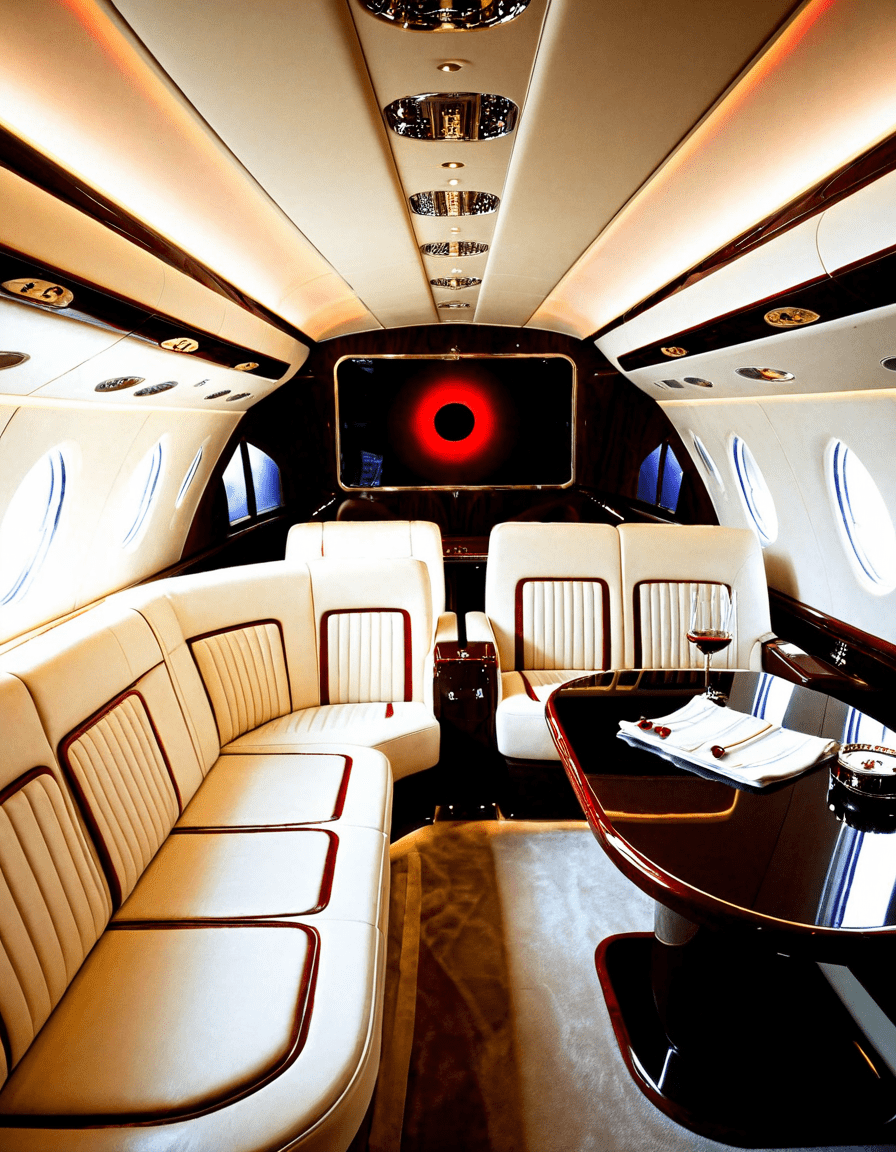
The Ongoing Relevance of the Red Eye Narrative
As we navigate through 2026, it’s clear viewers remain entangled in narratives that blend fascination with fear, particularly when it comes to travel. The psychological terror weaves through the fabric of modern storytelling, feeding our collective anxieties. Essentially, Red Eye opens a dialogue, much like the larger conversations surrounding Natalee Holloway or other real-life cases, that question our safety in public spaces. It’s an unsettling yet profound reflection of our realities — one that urges us to confront our fears.
In conclusion, Red Eye 2005 undoubtedly left an indelible mark, guiding our understanding of how fear interlaces through our lives, both on the ground and at 30,000 feet. It’s more than a film; it’s a cautionary tale urging us to confront the anxieties that accompany our everyday lives. Fear, as illustrated by this captivating thriller, doesn’t merely entertain but also invites us to cultivate resilience, urging us to overcome the looming terror that inhabits both our flights and the everyday moments in between. Edgy, thrilling, and undoubtedly fashionable in its own right, Red Eye encourages us all to examine our vulnerabilities as we traverse through this unpredictable journey called life.
Red Eye 2005: The Thrilling Flight of Terror and Fear

A Plot That Takes Off
“Red Eye 2005” isn’t just another thriller; it’s a high-stakes story where a simple red-eye flight spirals into chaos. The film, directed by Wes Craven, cleverly combines suspense with a riveting storyline that keeps viewers on the edge of their seats. Did you know that Mos Def, an acclaimed rapper and actor, has an impressive filmography that extends well beyond music? You can catch his intriguing roles that often surprise audiences. Likewise,Red Eye” flirts with the audience’s expectations, twisting them into unexpected turns.
Behind the Scenes
Now, let’s dive into some behind-the-scenes trivia. Ever heard of James Arness? Before he became a household name on Gunsmoke, he faced trials during early auditions, something that can resonate with many aspiring actors today. Similarly, Red Eye had its own complications during production. With a tight shooting schedule and limited budget, the filmmakers managed to create a tense atmosphere that felt real. Speaking of tension, the film’s gripping moments mirror those experienced by fans of the upcoming Dead And Company Tour 2024, who are eagerly awaiting the electrifying live performances that promise to captivate crowds.
Star Power and Surprises
Alyson Court, known for her roles in both film and television, often proves that voices can be just as impactful as physical performances. She brings that flair into the mix of Hollywood talent, reminding us that versatility plays a crucial role in showbiz. And let’s not forget about the profound impacts of family legacies in sports, like that of Magic Johnson’s son, who’s carving out his niche in the NBA world today. Just like the characters in Red Eye, where family dynamics play a significant role, these real-life narratives show the importance of personal stakes in any story.
In conclusion, “Red Eye 2005” isn’t just a chilling flight; it’s a ride filled with fascinating connections and fascinating storytelling threads. As an audience, you can see how the world of cinema intertwines, much like our own daily experiences, reminding us that every journey—whether on a flight or through life—can take unexpected turns.