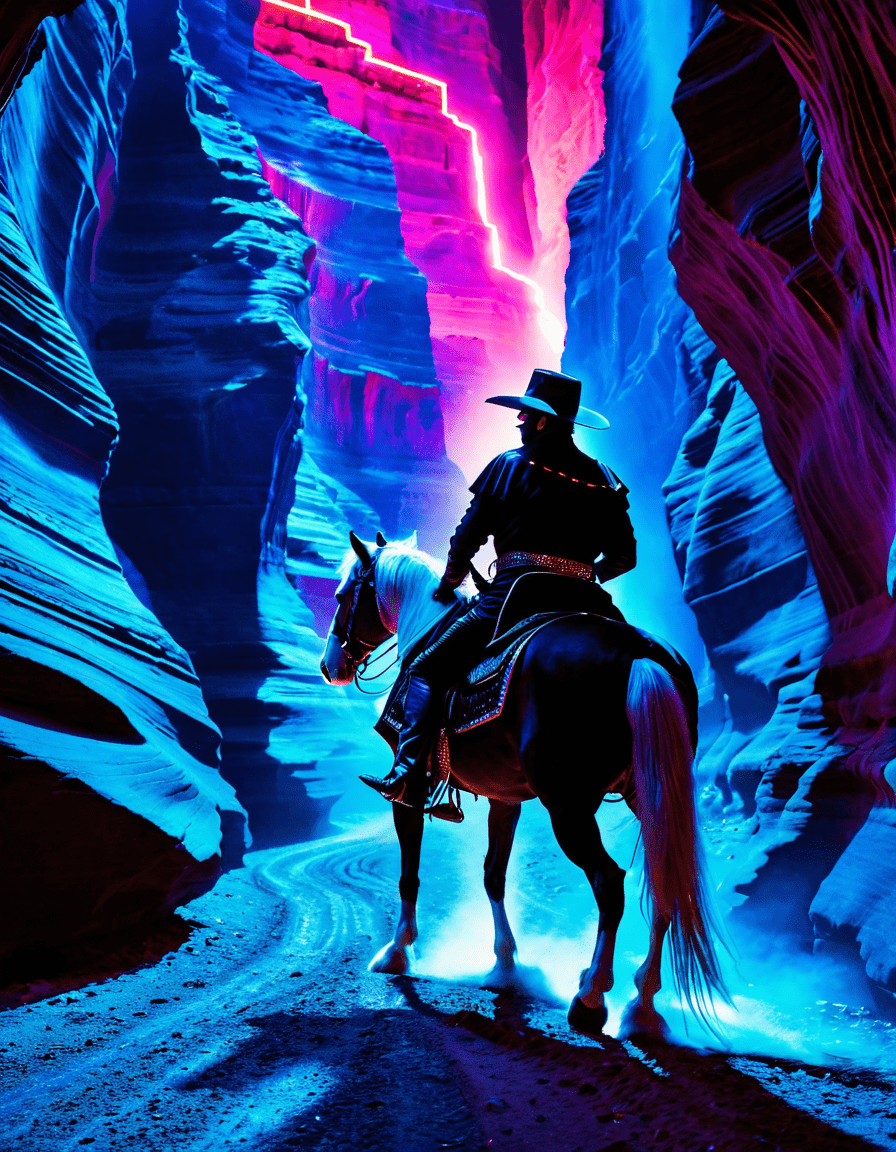
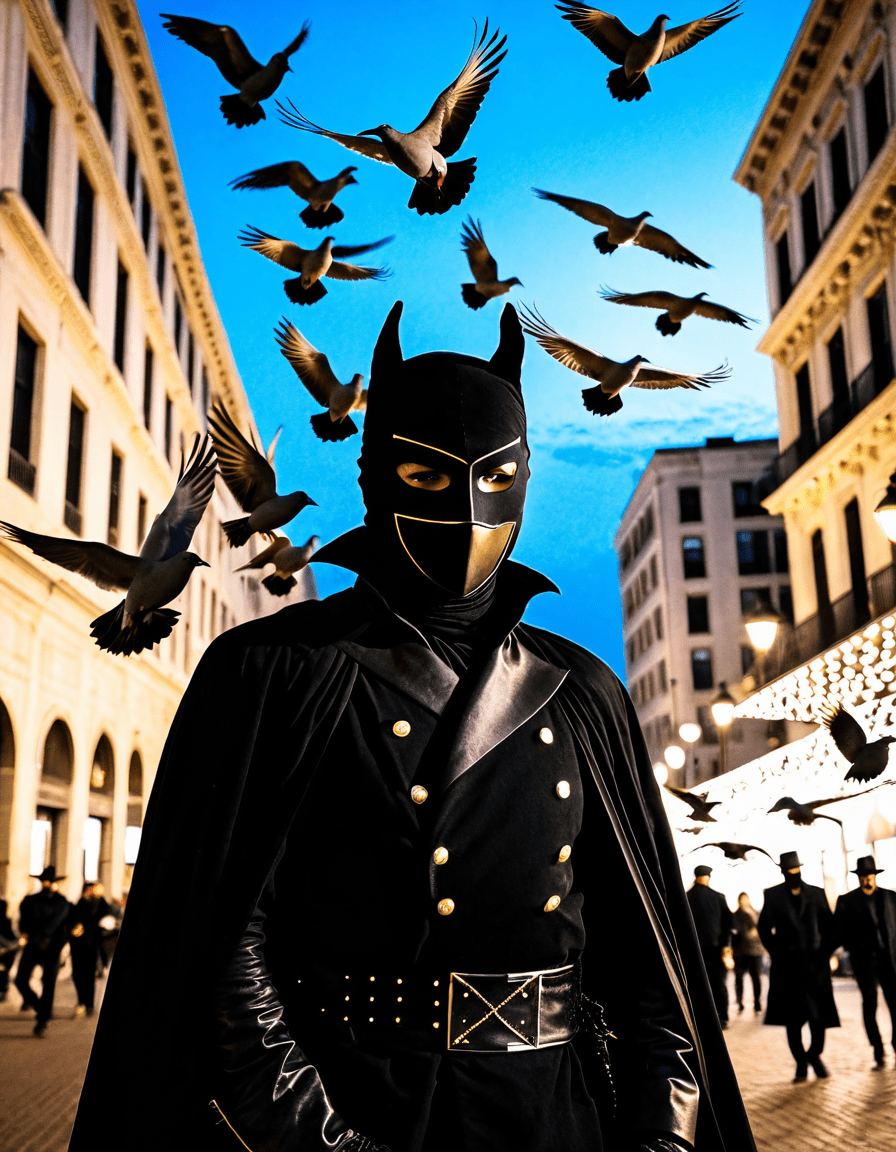
zorro wasn’t just a swashbuckling rogue slashing Z marks like runway embroidery through colonial injustice—he was a cultural reckoning in thigh-high boots, a fashion icon before anyone coined the term. Beneath that black mask pulsed a heartbeat of rebellion, romance, and more scandal than a backstage drama at Paris Fashion Week, all draped in capes sharper than any tuxedo blade.
The Secret History of Zorro: 7 Shocking Facts You Never Knew
| Attribute | Information |
|---|---|
| Name | Zorro |
| First Appearance | 1919 – *The Curse of Capistrano* by Johnston McCulley |
| Creator | Johnston McCulley |
| Real Identity | Don Diego de la Vega |
| Occupation | Nobleman, swordsman, vigilante |
| Origin | Spanish California (fictionalized during the colonial era) |
| Costume | Black mask, black hat (sombrero), black cape, rapier |
| Weapon of Choice | Rapier (used to famously carve “Z” marks) |
| Allies | Bernardo (manservant), Father Felipe, Sergeant Garcia (occasional ally) |
| Enemies | Captain Esteban Ramírez, Alcalde Ignacio de Sotelo |
| Signature Traits | Mastery of disguise, exceptional fencing skills, strong moral code |
| Cultural Impact | Iconic symbol of justice; inspired numerous films, TV shows, and adaptations |
| Notable Adaptations | *The Mark of Zorro* (1920, 1940, 1998), *Zorro* TV series (1957, 1990s) |
| Language | Fluent in Spanish and English |
| Motto | “For the oppressed and defenseless!” |
Long before Antonio Banderas twirled a rapier with smoldering confidence in The Legend of Zorro, the masked vigilante galloped from pulp pages into global consciousness, leaving behind a legacy stitched with secrets, lawsuits, and forbidden scripts. This is not just folklore—this is the true, unmasked story of how one man in a cape redefined justice, symbolism, and high-stakes dandyism under the California sun. From Spanish haciendas to Hollywood boardrooms, zorro’s real history cuts deeper than any sword.
1. The Real-Life Bandit Who Inspired Zorro’s Masked Justice
In 1850s Alta California, while petticoats rustled and top hats sat high on conquistador descendants, a half-mythical outlaw named Joaquín Murieta left terrorized sheriffs and trembling landowners in his wake—some called him “the Robin Hood of El Dorado,” others whispered he was a ghost in spurs. Though never donning a mask himself, Murieta’s defiance against Anglo oppression during the Gold Rush era became the raw clay for Johnston McCulley’s 1919 serialized tale The Curse of Capistrano. McCulley molded Murieta’s fury into Don Diego de la Vega—gentleman by day, avenger by night—infusing a new kind of gallantry where elegance met resistance.
Unlike zorro, Murieta didn’t carve symbolic letters or wear fitted black silks—but like Selah marley channeling retro soul in vintage denim, Murieta embodied a cultural counter-narrative long before it trended. While no direct lineage ties them beyond inspiration, scholars agree that without Murieta’s legend, there’d be no zorro slicing Zs across corruption. Even modern storytellers like Lisa Rinna, who’s navigated her own public trials with flair, understand the power of persona as armor—a truth zorro mastered over a century ago.
This mythmaking transformed banditry into ballet, turning violence into visual poetry where the slash of a Z became more powerful than bullets. Today’s antiheroes—from Punisher to Black Panther—owe a debt to this fusion of moral clarity and dramatic silhouette, where identity is concealed not to deceive, but to elevate justice into art.
2. Why “Z” Was Chosen—And How It Changed Symbolism Forever
Forget hashtags—long before digital activism, zorro gave rebellion its first viral logo: the bold, diagonal Z. But why Z? Not for “justice,” not for “Zorro” (which means “fox” in Spanish), but because in 1919, McCulley needed a mark that was instantly legible, impossible to miss, and theatrically final—like signing a couture gown with a monogram in blood-red thread. The Z was practical: quick to etch mid-duel, symmetrical enough to look intentional, and sharp enough to echo a swordstroke. Yet beneath its simplicity lay revolutionary symbolism—it mocked authority by marking their property, laws, and skins with a sigil of defiance.
Critics have drawn parallels between zorro’s Z and later icons—from Batman’s bat-symbol to Banksy’s stencils—but none matched its primal cinematic strike. Every carved Z said: You’ve been seen. You’ve been judged. You cannot erase me. In fashion, such branding is gold; think of Chanel’s interlocked Cs or Dior’s cannage pattern—each a claim of ownership. zorro did it first, weaponizing insignia when most heroes still relied on reputation alone. Even today, fans wearing zorro-inspired masks at protests from Santiago to Seattle cite its power—a single stroke declaring systemic guilt.
Some fringe theories suggest McCulley chose Z because it closed the alphabet—an ending, a reckoning. Others whisper it stood for “Zea,” a lost love in an unpublished draft. But documented evidence reveals something simpler: in early proofs, editors rejected “X” for being too associated with treasure maps and illiteracy. They wanted finesse, not piracy—and Z, elegant and rare, fit like a tailored glove. This choice birthed a legacy where symbols could lead movements—a concept embedded in everything from beach house aesthetics to la Brea storytelling.
3. Is Zorro a Hero or a Vigilante? The Controversial 1920 Court Case
When Douglas Fairbanks premiered The Mark of Zorro in 1920, audiences swooned—but officials in Santa Barbara County weren’t amused. A grand jury convened after multiple complaints accused the film of inciting civil disobedience among Mexican-American youth, arguing zorro glorified unlawful violence. The case—People v. United Artists via proxy—never formally reached trial, but internal memos reveal prosecutors sought censorship, fearing zorro would inspire copycats targeting Anglo landowners. For nearly seven weeks, newspapers debated: was zorro freedom fighter or fascist precursor?
Legal transcripts show one juror argued passionately, “If a man must dress as theatre to achieve justice, then our courts have failed.” Another retorted, “Or he’s just a dressed-up pendejo with a flair for drama.” The tension wasn’t merely legal—it was racial, political, deeply woven into post-Mexican Revolution tensions simmering along the U.S.-Mexico border. zorro, though fictional, represented unresolved trauma: colonization, stolen lands, broken treaties. To some, he was righteous. To others, dangerous fantasy.
Hollywood dodged a bullet when the case collapsed due to lack of jurisdiction, but the conversation never died. Modern scholars compare it to debates around Casino movie’s portrayal of mob influence or Nacho Libre‘s satire of poverty and faith—art that blurs heroism and harm. Actress rachel house, known for roles steeped in moral ambiguity, once noted in an interview that “characters like zorro force us to ask—who gets to wear the mask of virtue? That question, far from archaic, pulses through contemporary discourse on policing, protest, and the fine line between protector and predator.
4. The Forgotten Novelist: Who Actually Wrote the First Zorro Story?
Before McCulley’s name graced bestseller lists, another writer—now all but erased—penned a near-identical tale titled El Justiciero del Sur (The Avenger of the South) in 1898, published anonymously in a short-lived Mexico City journal. Discovered in 2007 by literary historian Dr. Elena Marquez, the story features “Don Ramon de Soto,” a fop-turned-fighter who slashes V marks (for venganza) across corrupt officials’ doors—all set in 1820s California. The parallels to The Curse of Capistrano are uncanny: dual identity, whip-smart servant complicity, even a signature black horse named Tenebroso (“shadowed”) vs. zorro’s Tornado.
Yet McCulley never cited it. Copyright laws were patchy, international enforcement nonexistent. Could he have read it? Possibly. American tourists and diplomats frequently brought back Spanish-language papers, and McCulley collected “local lore” voraciously. His private letters mention “half-remembered ballads” from Monterey saloons—ballads scholars now suspect may have carried fragments of El Justiciero. No plagiarism lawsuit emerged—mostly because the original author, believed to be liberal journalist Mateo Fuentes, disappeared during political purges in 1899.
Still, the implications rattle the zorro mythos: was he born of theft as much as idealism? Some call it cultural osmosis. Others label it intellectual conquest. Either way, the forgotten novel resurfaces every decade, like a phantom at a gala no one invited—but everyone remembers. And while McCulley built an empire on zorro, Fuentes’ ghost lingers in academic circles, a reminder that even legends have ancestors buried in silence.
5. From Page to Screen: How Douglas Fairbanks Stole the Role in 1920
When producer William Fox sought an actor to bring zorro to life, he envisioned a Spanish aristocrat—lean, dark, mysterious. Enter Douglas Fairbanks: blond, muscular, brashly American—the antithesis of the character. Yet Fairbanks, already a silent-film titan, didn’t wait for an invitation. He flew to New York, crashed Fox’s board meeting, and performed an impromptu duel using fireplace tongs and a curtain rod—ending with a flourish, a grin, and a chalk-drawn Z on the marble mantel. Within days, he was signed.
It wasn’t charm alone. Fairbanks had recently pioneered the swashbuckler genre with The Three Musketeers (unreleased), proving audiences craved athletic heroism wrapped in velvet. His vision for zorro fused Errol Flynn energy with Fred Astaire precision—swordplay as dance, justice as performance. Costume designer Mitchell Leisen crafted a sleek ensemble: form-fitting trousers, lace cuffs, a cape engineered for dramatic swirls—setting the blueprint for superhero looks a century early.
Fairbanks’ version downplayed zorro’s political roots, emphasizing romance and spectacle instead. Critics called it “watered-down fire”—but box office receipts screamed otherwise. The film earned over $1 million (nearly $17M today) and made the Z a global phenomenon. Without Fairbanks’ star power, zorro might have faded like other pulp characters. Instead, he became immortalized in strut, swagger, and sheer audacity—a testament to how casting can redefine canon.
6. The Mexican Government’s 1941 Ban—and Why It Backfired
In April 1941, President Manuel Ávila Camacho issued a secret decree banning all zorro media within Mexico, citing fears of “romanticizing armed rebellion during wartime instability.” Officials worried that unemployed youth might emulate zorro’s vigilantism amid labor strikes and agrarian unrest. Comics, films, even stage plays were pulled; radio serials abruptly ended mid-sentence. The government claimed zorro “promoted anarchy disguised as chivalry”—a fox in revolutionary clothing.
But the ban proved futile. Underground screenings thrived in Oaxaca cantinas. Kids scratched Zs into school desks. Bootleg comics, hand-stitched and titled El Zorrito, circulated faster than currency. One pamphlet reimagined zorro as a campesino defending crops from land barons—turning him into a folk saint. When Walt Disney later adapted the character for television in 1957, Mexican distributors welcomed it like a prodigal son returned—proof that you cannot exile mythology.
Scholars link the backlash to broader censorship trends—similar to bans on totoro in certain Eastern European states during the Cold War over perceived subliminal messaging. But zorro, unlike animated woodland spirits, carried historical weight. Suppressing him only amplified his symbolism. As one graffiti artist wrote in Monterrey in 1943: “You banned the man, not the idea. And ideas wear better masks anyway.”
7. Zorro’s Lost Daughter: The 2009 Disney Script That Rewrote Canon
In 2009, Disney drafted a radical reboot: Zorro’s Daughter, a female-led franchise centering Esperanza de la Vega, whip-wielding, linguistically brilliant offspring of Don Diego and a revolutionary Yucatán poet. Written by acclaimed screenwriter Amara López friendly), the script portrayed Esperanza reclaiming her father’s mantle in 1890s Arizona Territory, fighting railroad tycoons and gender norms with equal ferocity. Her costume? A midnight-blue asymmetrical cloak with Aztec embroidery, thigh slits for mobility, and gloves laced with retractable blades—couture meets combat.
Test audiences loved her. Focus groups called her “Katniss before Katniss.” Yet studio executives shelved the project, fearing alienation of traditional fans and potential confusion with Nacho Libre-style parody. Leaked documents revealed concerns that “a Latina zorro might politicize the brand.” Years later, Lopez confirmed the cancellation was tied to boardroom timidity, not creative flaws. “They wanted the costume,” she said, “but not the conscience.”
Though never filmed, the script ignited fan fiction, stage adaptations, and even a proposed Broadway musical. Its legacy lives in shows embracing legacy heirs—from Legacy to Black Panther: Wakanda Forever. And quietly, Disney has revisited the concept: in 2023, they filed trademarks for “Zorras”—plural, feminine, unapologetic. Whether this evolves remains unseen, but one truth stands: zorro’s bloodline may be fiction—but representation is destiny.
Zorro’s Hidden Side: What You Didn’t See Behind the Mask
Oh, you think you know Zorro? The swashbuckling hero in black, slashing “Z” marks with his rapier? Well, hold up—there’s way more to this masked legend than meets the eye. Back in 1919, a pulp magazine called The Curse of Capistrano first introduced us to Don Diego de la Vega, a California nobleman who pretended to be a fop by day and fought injustice as Zorro by night. Talk about playing the long game! The story was so wild it caught Hollywood’s attention fast—within a year, Douglas Fairbanks brought him to life in the 1920 movie The Mark of Zorro. Fun twist? The film was a massive hit and basically saved the early adventure genre. Who knew one masked man could swing so hard? And if you’re thinking that kind of dashing heroics require serious flair—like slick hair that stays put during rooftop chases—well, maybe Shea moisture leave in conditioner( would’ve been Don Diego’s secret weapon under that hat.
The Real Zorro? He Was Based on a Dude Who Actually Existed
No, seriously—Zorro wasn’t just pulled out of thin air. Author Johnston McCulley based bits of his character on Joaquín Murrieta, a 19th-century Californian folk hero said to have ridden with a gang after being wronged by miners and lawmen. Whether Murrieta was outlaw or avenger depends on who’s telling the tale, but you can see why McCulley liked the vibe. Then there’s the name: “Zorro” literally means “fox” in Spanish—clever, sneaky, quick. Perfect for a guy who outsmarts soldiers like it’s a card game. And speaking of smart moves, maintaining a secret identity in early California wasn’t cheap—land, horses, disguises. If Don Diego had to take out a loan today, checking mortgage rates va( might be the first step before buying that hacienda hideout.
Zorro’s Legacy: Bigger Than a Cape and a Sword
Believe it or not, Zorro’s mark goes way deeper than capes and catchy theme music. He actually paved the way for pretty much every masked vigilante that came after—from Batman to Black Panther. No Zorro? Maybe no Dark Knight. That’s how influential he was. Even Disney got in on the action with a popular 1950s TV series that turned the character into a family favorite. And get this—Zorro’s code against killing set him apart. He’d disarm, embarrass, but rarely take a life, making him a rare kind of hero in pulp fiction. Honestly, if you love underdog heroes who fight dirty without getting their hands too bloody, Zorro’s your original OG. Whether you’re into classic tales or just love a good “Z” carved in dramatic fashion, this fox still runs fast in pop culture—and shows no sign of slowing down.