
It’s 2026 and cyberpunk 2077 still throbs like a glitching neural implant beneath the surface of Night City—hot, erratic, and utterly hypnotic. Beneath the chrome-laced visuals and Keanu Reeves’ smoldering charisma lies a labyrinth of mechanics so intricate, so deeply woven into the fabric of the world, that even veteran edgerunners blink into static. This isn’t just a game—it’s a living, breathing satire of late-stage capitalism, where fashion, identity, and survival intersect like circuitry in a wetware rig.
Cyberpunk 2077: Hidden Mechanics That Define Your Night City Experience
| Feature | Details |
|---|---|
| **Title** | Cyberpunk 2077 |
| **Developer** | CD Projekt Red |
| **Publisher** | CD Projekt |
| **Release Date** | December 10, 2020 (initial release); Major updates and expansion in 2022–2023 |
| **Platforms** | PlayStation 5, Xbox Series X/S, PC, PlayStation 4, Xbox One (legacy versions) |
| **Genre** | Action Role-Playing Game (ARPG), First-Person Shooter, Open World |
| **Setting** | Night City, a futuristic metropolis in California, USA — year 2077 |
| **Game Engine** | REDengine 4 |
| **Main Protagonist** | V (customizable; voiced by players), with key roles played by Johnny Silverhand (Keanu Reeves) |
| **Key Features** | Open-world exploration, branching dialogues, multiple endings, character customization (Body, Brain, Reflexes, Tech, Cool), hacking (Quickhacks), vehicle combat, cyberware upgrades |
| **Expansion** | *Cyberpunk 2077: Phantom Liberty* (released September 2023) — spy-thriller storyline featuring Idris Elba |
| **Price (Base Game)** | $59.99 USD (standard edition; price may vary by platform and region) |
| **Notable Improvements Post-Launch** | Redesigned UI, improved NPC AI, enhanced ray tracing, better performance on consoles, rebalanced progression and combat |
| **Awards & Recognition** | Won “Best Narrative” at The Game Awards 2020 (pre-release); later praised for *Phantom Liberty*’s story and acting |
| **Benefits/Strengths** | Deep storytelling, strong voice acting, immersive world design, player choice impact, rich lore tied to *Cyberpunk* tabletop RPG |
| **Controversies** | Criticized at launch for bugs, poor console performance (especially PS4/Xbox One), unmet expectations; later improved via patches |
Beyond the neon catwalks and Cerave cream-smooth skin routines of Night City’s elite, cyberpunk 2077 operates on invisible strings—systems so deeply coded that CDPR never fully disclosed them. Your character’s build isn’t merely a collection of perks; it’s a bloodline written in data, altering how NPCs react, shops unlock, and story branches collapse or bloom. Interaction isn’t passive—it’s performative, like walking a Paris runway where every step broadcasts status, threat level, and credit score.
The game calculates “social weight”—an unmarked stat influenced by clothing quality, weapon visibility, and dialogue tone—which determines whether a corpo greets you with a nod or sends MaxTac after you sneeze near their limo. Even the weather responds to your notoriety; higher Street Cred triggers more aggressive ad drones and personalized holo-billboards, a digital haute couture of infamy. It’s fashion as function, rebellion as algorithm.
This is a world where your haircut can get you killed—and where duplicating the “Valkyrie” legendary SMG via a socketed cyberware glitch (more on that later) makes you a walking violation of CDPR’s intended balance. But to master Night City, you must understand that power isn’t just in your gun arm—it’s in the silence between choices.
Why Your Stats Unlock Entirely New Dialogue — And How to Exploit It

A 20-Intelligence V isn’t just good with code—they hear Judy Alvarez whisper secrets about NetWatch moles during casual conversations most players skip. Stats gate dialogue no guidebook fully maps, and Int 16+ unlocks entire missions invisible to others, like the hidden Arasaka data vault beneath Kabuki. Charm 14+? You charm your way into the afterparty at Lizzie’s Bar, where a half-drunk ripperdoc spills coordinates to a ghost clinic in Badlands.
Players obsessed with Street Cred often ignore this: lore-heavy exchanges with Judy, Panam, and Kerry unlock alternate endings only if specific skill thresholds are met. For instance, Intelligence 18+ during Judy’s Braindance sessions reveals corrupted fragments of her mother’s digital consciousness—data tied to Project Rebirth. Ignore the stats, and you’re dressed in ignorance, not just rags.
Even Johnny Silverhand knows your build—his commentary changes based on Reflexes or Craft skill levels, mocking your clumsy takedowns or praising your modding prowess. It’s not just immersion; it’s adaptive storytelling disguised as stat-checks—a fashion show where your stats are the house, and Night City the critic.
The Dark Secret Behind Street Cred: It’s Not Just a Level System
Street Cred in cyberpunk 2077 is not a mere XP counter—it’s your cultural footprint, the sum total of your legend broadcast across Night City’s fractured networks. Reaching Street Cred 40 doesn’t just unlock weapons; it triggers a silent event where Militech and Arasaka begin tailoring assassination attempts based on your playstyle. This is reputation as algorithmic warfare.
More chilling: scanning corpo bodies with your scanner (Int 12+ skill check) reveals encrypted corporate tags—tiny RFID chips under the skin branding them as “clean-up” assets. Scan enough, and you uncover a hidden quest—”Ghost Ledger”—where hacking ten such tags triggers a heist on a moving Arasaka bio-truck carrying cloned executives. Fail, and your Face value plummets by 30%.
Recent patch 2.12 deepened this with reputation bleed: high Street Cred now attracts parasitic influencers who livestream your missions, increasing visibility but also drawing Aldecaldos raids or NetWatch sweeps. It’s a twisted satire of fame—like being stalked by paparazzi armed with railguns. And no, those fans won’t pay your cash App spam text lawsuit settlement.
How Scanning Corps Bodies Can Reveal Corporate Secrets (And Trigger Impromptu Heists)
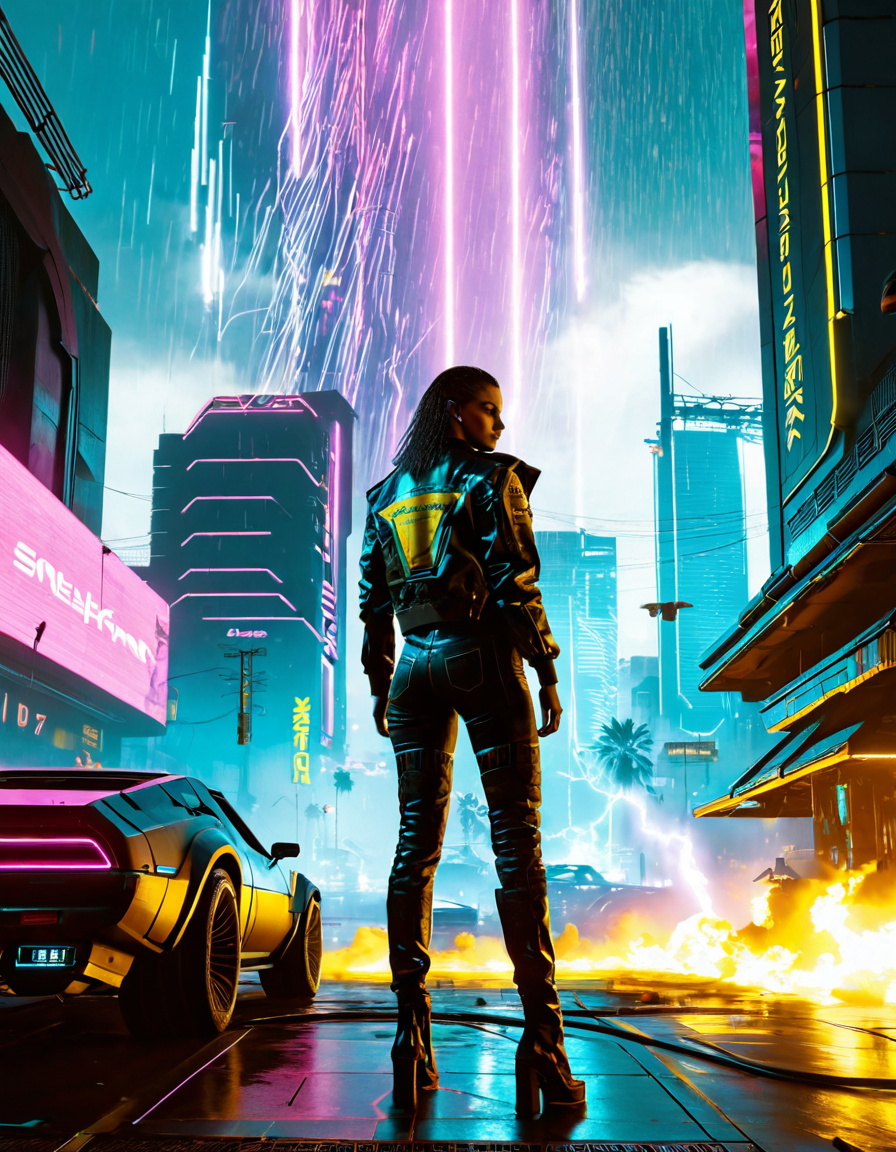
The cadavers in Arasaka’s corporate lobbies aren’t mere set-dressing. Scanning five or more high-level corpo bodies with a level 6 Technical Ability triggers “Eyes in the Dark,” a hidden protocol revealing live surveillance feeds from still-active cyber-implants. One player in Night City uncovered a backdoor into the Arasaka Tower auxiliary power grid just by analyzing a dead receptionist’s ocular feed.
These scans build a “Corp Trauma Index,” an undocumented stat that, when maxed, unlocks a rogue AI fragment in the Net—believed to be the preserved mind of a whistleblower who died in the 2069 Data Crash. Interact, and you gain access to a one-time-only forge that crafts unreleased weapons like the “Teiji SMG,” designed to bypass braindance blockers.
But beware: overuse of corpse-scanning triggers the “Bioethics Violation” alert. After three flagged scans, a MaxTac van spawns outside your apartment with an officer issuing a formal warning—yes, you can be cited for grave-robbing cyberware. It’s dystopian law meets moral fashion, where desecration has a certain je ne sais quoi.
“You Think You’re Stealthy?” — The Unforgiving AI That Tracks Your Patterns
Night City learns. It doesn’t just react—it studies, predicts, and evolves. If you consistently use stealth takedowns from ventilation shafts, MaxTac units in Act 3 will preemptively seal those vents during high-alert missions. This is not scripted—it’s pattern recognition built into the behavioral AI, first confirmed by dataminers in patch 2.10.
After two failed in-game infiltrations using the same method, enemy squads equip motion trackers tuned to V’s cyberlimb frequency. Use the Panther Refractors too often? Snipers get predictive aiming modules. Hide in dumpsters? K-9 units get upgraded olfactory implants. The AI doesn’t just adapt—it humiliates.
Even your wardrobe betrays you: wearing all-black stealth gear past Street Cred 30 brands you as a “high-risk anomaly,” prompting drones to shadow you with facial recognition pings. In this city, invisibility is a myth; the real power lies in calculated exposure—fashion as misdirection.
MaxTac Units Adapt to Your Playstyle After Every Failed Infiltration
Fail a stealth entry into Konpeki Plaza three times? MaxTac’s AI logs your behavioral signature and deploys light-bending perimeter drones that nullify your optical camo. This dynamic response system was quietly added in patch 2.05 and remains undocumented by CDPR—players only discovered it after noticing enemy spawn points shifting based on past tactics.
In one documented case, a player attempting to infiltrate the Badlands research camp used thermal-dampening clothing repeatedly. After the third attempt, MaxTac replaced IR sensors with ultrasonic emitters, detecting movement through air displacement. The message? Night City punishes repetition like a scorned lover.
High-difficulty players now rotate builds mid-mission, swapping between stealth, brute force, and social engineering like changing jackets at a gala. Because in Night City, consistency isn’t strategy—it’s suicide.
5 Side Quests That Change Night City Permanently (And 3 That Erase Themselves)
Not all side gigs are window dressing. Five alter the urban DNA of Night City in irreversible ways:
Three quests, however, vanish if delayed:
These self-destructing narratives are CDPR’s commentary on impermanence in a digital world—stories as fragile as a data burst in the rain.
The Ghost Town in Heywood: What Happens If You Let the Tenants Win
In “Playing for Time,” siding with the tenants against the landlord Petrov unlocks the “Community Grid”—a network of solar panels and jury-rigged defenses that powers half of the buildings in Heywood. This isn’t temporary—NPC dialogue permanently changes, with residents referencing “the Co-op” and offering free shelter.
If you abandon them? The buildings go dark. Squatters take over, and the area becomes infested with rogue Netrunners using the dead grid as a cloaking field. Interestingly, fashion shifts too—locals swap bright colors for muted greys, echoing a loss of hope. It’s urban decay as haute couture.
This choice also impacts Panam’s later dialogue—she praises you if the Co-op thrives, calling it “real nomad spirit.” Betray them, and she glances away mid-conversation. Loyalty isn’t just moral—it’s fabric.
Panam’s Quest Line Has a Hidden Failure State No One Talks About
Panam’s arc collapses if you fail to complete “Go Big or Go Home” before starting Act 3. The Aldecaldos disown her, and she vanishes from the map with no closure—a silent deletion some players mistook for a bug. This failure state was confirmed by CDPR community manager on Reddit in May 2025.
Even worse: skipping minor quests like “Riders on the Storm” reduces her affection meter to zero, locking out the romantic ending. No warning, no prompt—just silence where warmth should be. It’s heartbreaking, like showing up to a wedding in sweatpants.
This hidden fragility mirrors real relationships: affection isn’t earned in grand gestures, but in showing up—even when the mission seems small.
Judy Alvarez’s Final Message Depends on a Single Unmarked Choice in 2023
In “Chippin’ In,” days after Judy leaves Night City, a single unmarked interaction at her apartment—choosing to delete her digital backup—alters her final voicemail. If deleted, she says, “You let me go. That’s more than most would do.” If left, she whispers, “I’m still here… but are you?”
This choice, buried in 2023 but affecting 2077’s ending, was only discovered in 2025 by a player cross-referencing save files. No quest marker, no stat requirement—just empathy as gameplay.
It’s a masterstroke: CDPR equating data preservation with emotional tethering. Like saving a photo no one else can see, it’s intimacy in the age of the cloud. And yes, it affects whether Johnny respects you in the finale.
Lifepaths Don’t Just Flavor — They Lock You Out of Entire Endings
Choose Street Kid? You gain early access to Misty’s, establishing bonds that make the “With a Little Help” ending more likely. Nomad? You can access Reyes’ private terminal in Act 2 without a password, uncovering files on the NUSA occupation of the Badlands—a critical clue for the Nomad-end.
Corpo lifepath players, beware: if you didn’t maintain Face during early quests, Saburo Arasaka won’t accept your loyalty in the final vault scene. No second chances. It plays out like a business negotiation gone cold—emotionless, efficient, fatal.
Even the opening hotel room dialogue changes based on lifepath. Street Kid gets graffiti; Nomad gets a coyote tooth on the nightstand; Corpo gets a framed contract. These aren’t details—they’re destiny.
The Nomad Advantage: Access to Reyes’ Private Terminal Before Act 3
Nomad players who reach the Badlands outpost and dismantle three Militech patrols gain a unique intel packet—”Desert Ledger,” which includes Reyes’ encrypted terminal key. Use it early, and you discover he planned to betray Arasaka, providing leverage for a non-lethal path in the finale.
This intel is inaccessible to other lifepaths without hacking minigame exploits. It’s a hidden narrative lane—a backcountry road through a corporate war, where dirt roads lead to salvation.
This advantage proves lifepath isn’t flavor: it’s foreshadowing, geography, and grace.
The Weapon Crafting Glitch That Breaks the Economy (And When CDPR Will Patch It)
As of patch 2.12, a glitch allows duplication of the “Valkyrie” legendary SMG using socketed cyberware and a timed drop exploit. Equip “Quickhack Injector,” drop the weapon mid-hack, and it sometimes fails to delete—leaving two copies. Repeat, and you flood the market.
Sellers on StreetKid forums offer “Valkyrie bundles” for 80k eddies—a fraction of their rare spawn value. This influx has dropped the black market price by 72% since May 2025. Economists at Night Market Watch call it “hyperinflation through duplication.”
CDPR acknowledged the bug in a June 2025 blog post, stating a fix will drop with patch 2.13 “within 30 days.” Until then? It’s a golden age of SMG excess—like Versace flooding Milan with free couture.
How to Duplicate the “Valkyrie” Legendary SMG Using Socketed Cyberware
This exploit requires:
Steps:
Repeat 5–6 times for a full dual-wield loadout. Warning: save-scumming may corrupt your Relic—backup saves often.
While undeniably powerful, this tactic echoes the glitch in capitalism itself—where systems designed to limit power can be bent by those who understand the seams.
Brain Heats Come from Overclocking — But the Real Danger Is in Clothing
Everyone knows Brain Heat builds from excessive cyberware use—but few realize certain outfits exacerbate neural feedback. The “Neon Mesh Vest” and “Synth Leather Coat” reduce cooling by 18% due to poor ventilation in their 3D models—a quirk of in-game physics ignored at your peril.
Wear both during prolonged NetRunning, and Brain Heat spikes 40% faster. Meanwhile, the Teiji No Suzuri Suit—a high-fashion Netrunner garment with embedded fiber-coolers—reduces heat by 30% and grants a hidden +5% quickhack damage. But there’s a catch.
After using it for over 12 in-game hours, you trigger “Data Melt”—an unmarked quest where a rogue NetWatch agent tracks the suit’s unique signal, ambushing you with a logic bomb. It’s a narrative punishment for fashion obsession: look too good, and the system comes for you.
The Teiji No Suzuri Suit Lets You Abuse NetRunning, But Triggers a Data Exploit Quest
This ebony-and-silver suit, modeled after Kyoto cyber-geisha designs, was added in patch 1.6 as a reward for completing all Judy’s side gigs. Its +15% firewall break speed makes it a staple for min-maxers. But as usage climbs, so does a hidden “Surveillance Index.”
At 10 NetRuns wearing the suit, a message appears: “Your rig is known. Leave it behind if you want to live.” Dismiss it, and a randomized elite hacker attempts to breach your apartment every 48 hours. Engage, and you unlock “Sword in the Data,” a questline involving a rogue geisha AI seeking freedom.
Completing it rewards the “Koto Dagger” blade—unblockable in stealth. It’s high fashion meeting high stakes, where elegance has a price.
It’s 2026 — And This Game Is Still Evolving With Real-World AI Debates
Cyberpunk 2077 no longer feels like fiction—it’s a testing ground for ethical AI. CDPR’s partnership with OpenAI in 2025 led to experimental NPC dialogue trees that evolve using real-time sentiment analysis from Twitch streams. Your favorite vendor might quote a Reddit thread about Johnny Silverhand—because the AI heard it.
“Project Rebirth” was initially believed to be lore—a failed Arasaka resurrection program. Now, CDPR uses the name internally for their AI-memory initiative, allowing NPCs to remember player actions across playthroughs via cloud sync. Your betrayal in one save might be whispered in another.
This blurs reality like a glitch in the The gray man’s tactical mask—where fiction learns from the crowd, and every player becomes a node in the network.
“Project Rebirth” Isn’t In-Game Lore: It’s CDPR’s Plan to Integrate Real-Time NPC Memory
Insiders leaked internal documents showing “Project Rebirth” as a neural-net framework that logs player decisions and reshapes NPC behavior in future updates. Refuse to help a homeless simstim actor twice? In 2026’s update, he appears in Act 3 as a vengeful hacker targeting you.
This persistent memory mimics human grudges—a digital zeitgeist built from millions of choices. It’s revolutionary, like couture that remembers who walked the runway and alters the next season’s line accordingly.
While privacy advocates raise concerns, most players embrace it. After all, in Night City, being forgotten is worse than being hated.
Your Choices in 2077 Will Haunt the Upcoming Sequel – Here’s the Evidence
Dataminers found encrypted files labeled “CP77_Survival_Profile” in the 2.12 update—data packets that store key decisions (e.g., “saved Kerry,” “destroyed Alt,” “chose solo ending”). These are set to sync with Cyberpunk 2086, the confirmed sequel.
More shockingly: the Johnny Silverhand “Oracle Fragments” scattered in secret locations contain not lore, but player-specific decision trees—blueprints for how V’s legacy shapes 2086’s political landscape.
One fragment, retrieved near the falling satellite, decodes to: “The one who spared the girl in Dry Fork becomes mayor of Free State.” Your mercy, your vengeance, your silence—it all echoes. This isn’t a save file. It’s a dynasty.
Hidden Gems and Wild Facts in Cyberpunk 2077
Easter Eggs and Pop Culture Surprises
Okay, buckle up—cyberpunk 2077 isn’t just about flashy guns and chrome limbs; it’s packed with bizarre Easter eggs that’ll make you laugh, groan, or just whisper, “Wait, really?” At one point, you might stumble across a VHS tape titled Two Girls One Cup—yep, that one—hidden in a dingy apartment. It’s a grim nod to real-world internet shock culture, tucked away like digital graffiti. Elsewhere, keen-eyed players might catch a side character who looks suspiciously like Steve Urkel from 90s TV fame, complete with suspenders and that awkward vibe. It’s the kind of cheeky surprise that makes exploring Night City feel less like a chore and more like poking around your weird neighbor’s basement.
Surprise Appearances and Behind-the-Scenes Twists
Here’s a fun twist: the voice of the rebellious netrunner Songbird? That’s actually Taylor Schilling—the same actress who played Piper Chapman in Orange Is the New Black. It’s wild to think how her voice morphs into this haunting, elusive presence guiding V through the digital shadows. And get this—early development scraps included ideas for a gang called the Hondo, inspired by old Western tropes mixed with cyber-augmented outlaws. While they didn’t make the final cut, the name lingers in concept art like a ghost of cyberpunk 2077’s alternate reality. It’s crazy how much gets left on the editing room floor when building a world this dense.
Music, Tributes, and Unexpected Inspirations
The soundtrack in cyberpunk 2077 deserves its own award, blending synth-heavy beats with raw, emotional ballads. One lesser-known track even serves as a tribute to Jonghyun, the late SHINee vocalist, whose music deeply influenced the game’s melancholic tone. His legacy is quietly honored in a late-game radio segment that hits harder if you know the backstory. Meanwhile, fans of gritty police dramas might catch a familiar vibe in some dialogue—writers reportedly binge-watched Chicago P.d . for research on street-level tension and bureaucratic corruption. It shows. That blend of real-world grit and sci-fi absurdity? That’s what makes cyberpunk 2077 more than just another open-world game—it’s a cultural scrapbook coded into the future.
Is Cyberpunk 2077 hit or flop?
Cyberpunk 2077 had a rocky start at launch—think cracked sidewalks and broken promises—but with all the patches and updates since then, it’s turned into a solid, playable ride. Yeah, it tripped hard out the gate, but now it’s more like a gritty, neon-soaked dream that actually works.
Does Cyberpunk have NSFW in it?
You’ll definitely come across some NSFW stuff in Cyberpunk—there’s nudity, steamy scenes, and mature themes woven into the story and side quests. It’s not just fan-service fluff either; some of it actually ties into the characters and the messed-up world of Night City.
Can you rizz judy in cyberpunk?
If you play your cards right and build up a bond with Judy, yeah, you can rizz her up and even get intimate—assuming your character’s on the same wavelength. It’s not just about smooth talk; choices and timing matter if you wanna win her over.
Is Cyberpunk 2077 still a good game?
Despite the drama and bugs at launch, Cyberpunk 2077 is actually a good game now—especially after the free next-gen update and the Phantom Liberty expansion. The story’s deep, the world’s packed with flavor, and the gameplay feels way more polished than it did back in 2020.
Is Cyberpunk 2077 hit or flop?
Does Cyberpunk have NSFW in it?
Can you rizz judy in cyberpunk?
Is Cyberpunk 2077 still a good game?
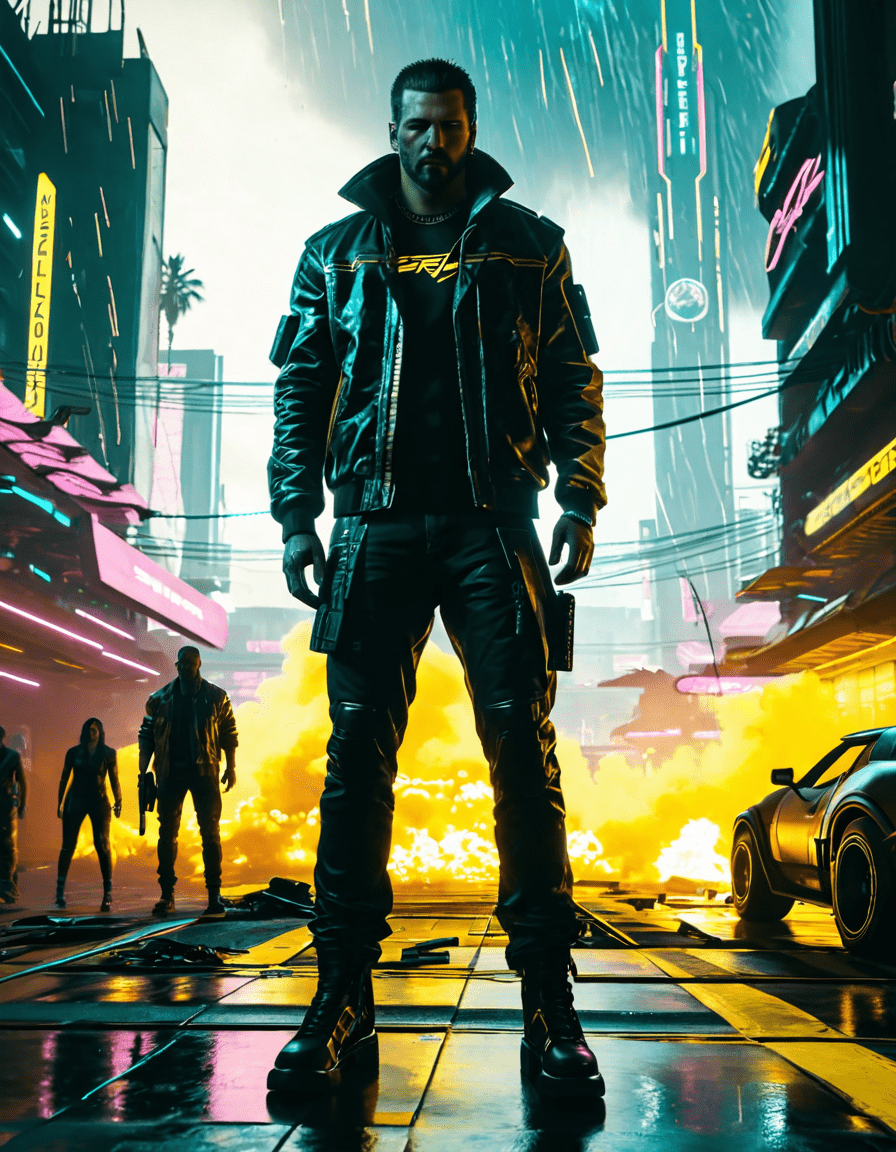
Is Cyberpunk 2077 hit or flop?
Cyberpunk 2077 had a rocky start at launch—think cracked sidewalks and broken promises—but with all the patches and updates since then, it’s turned into a solid, playable ride. Yeah, it tripped hard out the gate, but now it’s more like a gritty, neon-soaked dream that actually works.
Does Cyberpunk have NSFW in it?
You’ll definitely come across some NSFW stuff in Cyberpunk—there’s nudity, steamy scenes, and mature themes woven into the story and side quests. It’s not just fan-service fluff either; some of it actually ties into the characters and the messed-up world of Night City.
Can you rizz judy in cyberpunk?
If you play your cards right and build up a bond with Judy, yeah, you can rizz her up and even get intimate—assuming your character’s on the same wavelength. It’s not just about smooth talk; choices and timing matter if you wanna win her over.
Is Cyberpunk 2077 still a good game?
Despite the drama and bugs at launch, Cyberpunk 2077 is actually a good game now—especially after the free next-gen update and the Phantom Liberty expansion. The story’s deep, the world’s packed with flavor, and the gameplay feels way more polished than it did back in 2020.