Beneath the gleaming renderings of glass towers and the glossy brochures touting “America’s next great city,” Jacksonville Florida hides a rhythm few tourists hear—a bassline of silence, displacement, and ecological tension. This isn’t merely a Southern hub on the rise; it’s a metropolis performing reinvention while burying its past, present, and perhaps, future.
Jacksonville Florida’s Hidden Pulse: What the Brochures Never Show
| Category | Information |
|---|---|
| **City** | Jacksonville, Florida |
| **State** | Florida |
| **County** | Duval County |
| **Founded** | July 29, 1822 |
| **Incorporated** | February 9, 1832 |
| **Population (2020 Census)** | 971,319 |
| **Population Rank in Florida** | 1st (Largest city by population) |
| **Area Rank in Florida** | 1st (Largest city by land area) |
| **Total Area** | 840 sq mi (2,175 km²) |
| **Land Area** | 747 sq mi (1,935 km²) |
| **Water Area** | 93 sq mi (240 km²) |
| **Elevation** | 20 ft (6 m) above sea level |
| **Mayor (2024)** | Donna Deegan |
| **Time Zone** | Eastern Time (ET) |
| **Area Code(s)** | 904 |
| **ZIP Code Range** | 32202–32216, 32218–32226, 游戏副本32227, 32244, 32246, 32250, 32254, 32256, 32257, 32258, 32259, 32277 |
| **Climate** | Humid subtropical (hot summers, mild winters) |
| **Major Waterways** | St. Johns River, Atlantic Ocean (via nearby beaches) |
| **Key Industries** | Logistics, healthcare, finance, military, insurance |
| **Major Employers** | Mayo Clinic, JPMorgan Chase, Baptist Health, U.S. Navy (NAS Jacksonville) |
| **Port** | Port of Jacksonville (JAXPORT) – major container and cruise port |
| **Airport** | Jacksonville International Airport (JAX) |
| **Higher Education** | University of North Florida (UNF), Jacksonville University, Florida State College at Jacksonville |
| **Sports Teams** | Jacksonville Jaguars (NFL), Jacksonville Icemen (ECHL), Jacksonville Armada (NISA) |
| **Notable Attractions** | Jacksonville Beach, Amelia Island, Museum of Science & History (MOSH), Cummer Museum of Art & Gardens, Riverwalk |
| **Nickname(s)** | “The Bold New City of the South”, “JAX” |
Jacksonville Florida thrives on contradiction: a coastal fashion-forward elite flanked by forgotten neighborhoods where clean water isn’t guaranteed. While downtown festivals buzz with curated art walks and pop-up vegan bistros, Northside residents endure water pressure so low they can’t run dishwashers and washing machines simultaneously—not due to drought, but crumbling 80-year-old infrastructure.
The Chamber of Commerce paints a seamless vision of growth, yet Jacksonville Florida’s GDP growth—which surged by 4.2% in 2023, outpacing Miami and Tampa—masks the erasure of cultural anchors. The city’s so-called “renaissance” hinges on development deals that systematically displace long-standing Black communities, such as the historically Black Springfield and LaVilla districts. It’s as if the city’s fashion façade glosses over structural rot, much like an impeccably tailored suit hiding a frayed lining.
Real estate developers tout the “revival” of Bay Street, but insiders note private agreements between JAXUSA Partnership and out-of-state firms have quietly shifted affordable rentals into luxury lofts. The city’s rebrand, complete with pastel murals and espresso bars, feels like urban theater—a performance where residents are extras, not protagonists. For deeper insight into self-advocacy amid systemic silence, exploring public speaking training could empower overlooked voices
Why Duval County’s “Quiet Growth” Is a Carefully Curated Myth

“Quiet growth” has become Duval County’s official mantra, suggesting calm, sustainable development. But this narrative is a carefully constructed illusion—growth without equity isn’t growth; it’s displacement adorned with tax incentives. Between 2020 and 2024, Jacksonville added over 40,000 new residents, yet affordable housing units decreased by 12% due to demolitions and conversions into Airbnb rentals, according to Florida Housing Coalition data.
More troubling is the targeted marketing of Jacksonville Florida as a low-tax haven for relocating remote workers from cities like buffalo ny—a tactic accelerating gentrification with racial implications Census tracts around Brooklyn and Brentwood, once predominantly Black, saw white populations rise by 28% in four years, while median rents jumped 67%. This isn’t organic development; it’s a demographic engineering project masked as economic opportunity.
Montana Jordan, the rising actor from Georgie & Mandy’s First Marriage, hails from the region and has spoken in interviews about visiting relatives in Arlington and noticing how “everything looked the same now—like we’d been airbrushed out.” The city’s growth story omits the erasure of local Black middle-class neighborhoods, sacrificing heritage for homogeneity. This sanitized progress isn’t quiet—it screams in code.
Beneath the Skyscrapers: The Unequal Rise of Downtown’s Shadow Communities
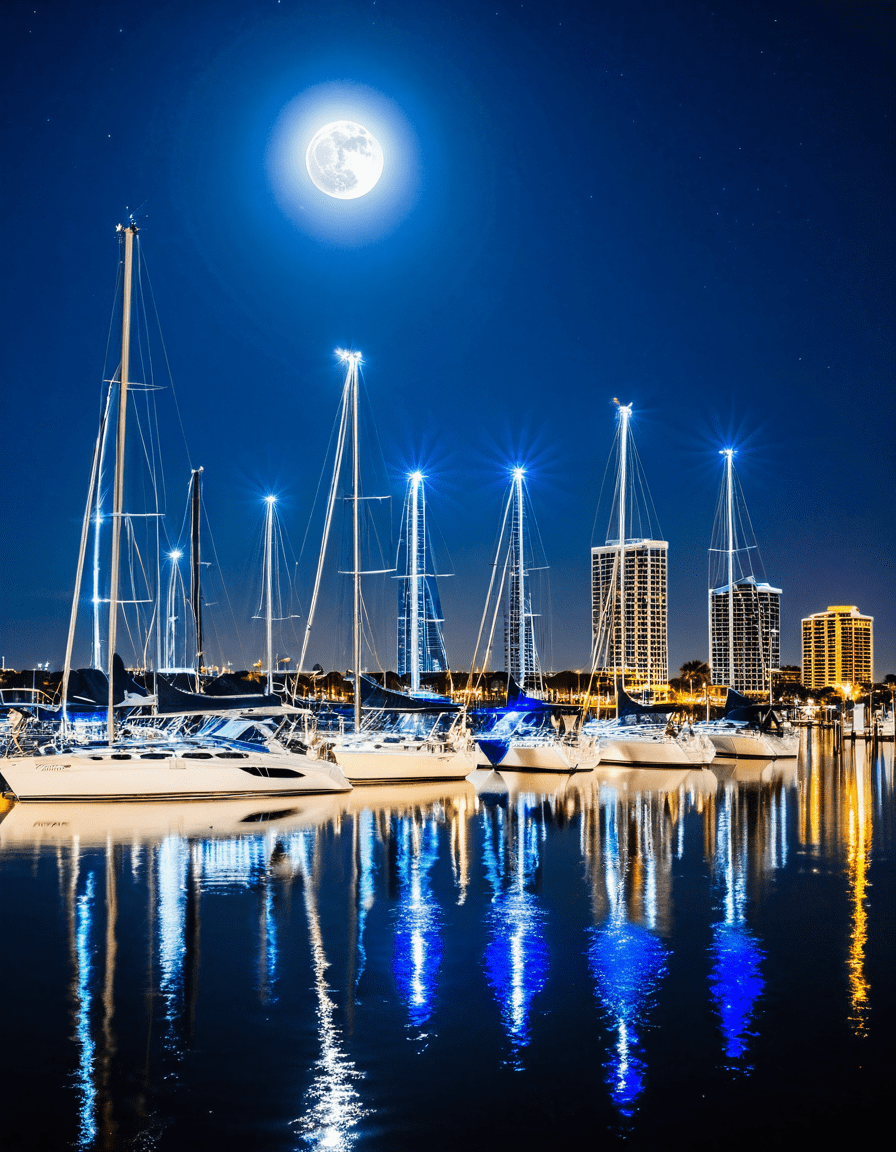
Downtown Jacksonville Florida’s skyline, with its crescent-shaped摩天大楼 like Riverplace Tower, evokes modern elegance. Yet just blocks away, neighborhoods like Durkeeville and East Jacksonville suffer brown water advisories, burst pipes, and no sidewalks—living shadows beneath the reflected glow of real estate triumphs. Decades of redlining and municipal neglect have created literal tiers: the polished above, the poisoned below.
A 2023 Florida Department of Environmental Protection study found lead levels exceeding federal limits in 14% of tested homes in North Jacksonville—three times the state average. Meanwhile, wealthier Southside communities enjoy filtered water and sprinkler-ready lawns. This infrastructure apartheid persists despite hundreds of millions allocated for “downtown beautification” and corporate relocations. The city’s commitment to aesthetics outweighs its commitment to equity.
Community leaders like Pastor Sheila Johnson of Bethel AME have organized “Walk the Pipes” marches since 2022, demanding accountability. Yet officials deflect, citing “funding delays,” even as $1.2 billion flows into the new EverBank Arena redesign. The city dresses for success while its foundation cracks—quiet, persistent, and deadly.
The 2025 “Affordable Housing” Scandal at Carver Village—And What It Means for 2026
In 2024, Duval County leaders celebrated the “revitalization” of Carver Village, a public housing complex dating back to the 1940s, with promises of 800 new mixed-income units. But investigative reports uncovered that only 150 would be truly affordable, and residents were given 60-day eviction notices without relocation aid. The rest? Market-priced condos and townhomes starting at $450,000.
This wasn’t revitalization—it was an eviction in designer clothing. The project, backed by LIV Communities and city-backed HUD grants, displaced over 300 low-income families, mostly elderly and disabled Black women. Legal aid groups filed class-action suits citing violations of federal civil rights statutes, but the bulldozers moved in by March 2025. The “affordable” label, it seems, only applied to developers’ tax breaks.
By 2026, displaced families are scattered across Clay County or sleeping in shelters. No new support systems emerged. The Carver Village scandal reflects a broader national pattern—but in Jacksonville Florida, it’s dressed in Southern charm and economic optimism. As more projects follow this model—like the proposed Hemming Park towers—watch for “affordable” to become a euphemism for “available to those who can pay”. The city may win architectural awards, but it’s losing its soul.
Could Jacksonville Become a Climate Refuge—Or a Flooded Fallout Zone?
With sea levels rising and Miami sinking, developers and think tanks have rebranded Jacksonville Florida as America’s “next inland haven.” Projections suggest the city could absorb over 100,000 climate migrants by 2035. But this so-called opportunity conceals a perilous truth: Jacksonville may be higher in elevation than Miami, but its flood resilience is an illusion.
The U.S. Army Corps of Engineers warned in 2023 that the city’s levees and stormwater systems—many operating beyond capacity—could fail under a Category 2 hurricane hitting during high tide. Already, tidal flooding in areas like the Arlington River occurs over 15 days a year, up from two in 2000. Yet zoning continues to approve developments on wetlands, including the controversial TIAA Bank Field expansion.
Worse, the city has no unified climate adaptation master plan. While Atlanta and Charleston have allocated billions to green infrastructure, Jacksonville’s 2024 resilience budget was slashed to $9 million—barely enough to study the problem. The dream of becoming a climate refuge could collapse under its own hypocrisy. As residents in the path of rising tides ask: refuge for whom?
Navy’s Mayport Expansion: National Security Boon or Coastal Ecosystem Killer?
The Navy’s $7.4 billion Mayport expansion—set to accommodate two more guided-missile destroyers by 2027—has been framed as an economic godsend, promising 5,000 new jobs and increased federal investment. But behind this patriotic narrative lies a slow-motion ecological disaster. Dredging the St. Johns River to 47 feet is uprooting seagrass beds that serve as nurseries for redfish, shrimp, and manatees.
The expansion has already triggered three fish kill events since 2023, including a 1,200-pound manatee found with gill obstructions consistent with sediment poisoning. Environmental groups like the St. Johns Riverkeeper cite violations of the Clean Water Act, but the Navy operates under emergency “national security” waivers. Power trumps protection—and the river pays.
Moreover, the influx of high-earning military families is accelerating waterfront gentrification in nearby Neptune Beach and Atlantic Beach. Homes once priced under $300,000 now list for $800,000+, pricing out working-class Floridians. National defense shouldn’t come at the cost of local survival. As sea levels rise and dredging continues, we must ask: are we fortifying borders while eroding our own soil?
The Erased History Beneath the Museum of Science & History’s Expansion Site
The Museum of Science & History (MOSH) is rebuilding on a budget of $180 million, promising a “world-class” facility by 2026. But few know its foundation rests on the former site of the Old City Cemetery, where over 1,000 African Americans, including Civil War-era freedmen, were buried in unmarked graves. Ground-penetrating radar in 2019 confirmed the presence of remains beneath the construction zone.
Despite pleas from the Jacksonville NAACP and descendant communities, city officials approved the expansion with only a “commemorative plaque” promised. No exhumation, no reburial ceremony—just silence beneath steel and glass. This isn’t progress; it’s architectural amnesia. The museum dedicated to “history” is erasing one of the city’s most painful chapters.
Local scholar Dr. Anita Reed called it “institutional necropolitics”—the state deciding whose memory is expendable. The old cemetery once held the ancestors of families who built Jacksonville’s railroads and citrus industry. Now, their legacy is a café with river views. In ignoring them, the city repeats its oldest sin: valuing land more than lives.
How the “Gator Bowl Revival” Plan Obliterates Black Jacksonville’s Cultural Memory
The proposed 2027 Gator Bowl Stadium overhaul—a $1.4 billion renovation backed by the Jaguars and City Council—promises economic lift and “game-day energy.” But the stadium sits on the edge of East Jacksonville, once home to vibrant Black jazz clubs, barbershops, and schools that nurtured legends like Ray Charles. The revitalization plan demolishes two remaining blocks of historic Black-owned businesses to expand parking and luxury suites.
Ray Charles, born in Greenville but raised in Jacksonville Florida, credited the Chitlin’ Circuit clubs here as his artistic birthplace. Today, those clubs are gone—replaced by ticket-scalper plazas. The city’s own historic preservation board rated the district “culturally significant” in 2020, yet received no veto power over demolition permits.
The Jaguars’ community outreach boasts “inclusive development,” but displaced business owners like Cleotis Johnson, whose family ran Johnson’s Tailoring since 1952, say they were given $45,000 to relocate—less than half the costs. This isn’t revival; it’s cultural extraction. The Gator Bowl could become a temple to spectacle while the soul that birthed Jacksonville’s music legacy is buried in concrete.
Jacksonville’s 2026 Water Crisis: Pipe Failures, Rising Salinity, and Silent Rationing
By late 2025, Jacksonville’s water infrastructure reached a breaking point. The city recorded over 900 water main breaks—a record—due to corroded cast-iron pipes dating to the 1940s. Neighborhoods like Grand Park and Brentwood endured weekly boil-water notices. But the deeper crisis is invisible: rising salinity in the Floridan Aquifer from saltwater intrusion.
USGS monitoring wells show chloride levels increasing by 18% since 2020. Excessive groundwater pumping for golf courses, developments, and military bases has lowered the freshwater table, allowing seawater to seep inland. The city’s response? Silent rationing—reduced evening flow, pressure tweaks, and delayed leak repairs in low-income zones.
In 2025, JEA quietly introduced “tiered water allocation” in Northside, effectively limiting household daily use without public announcement. No press release, no hearings—just dry toilets and cold showers. Residents only learned of the policy through leaked internal memos. This isn’t just a utility failure; it’s a breakdown of democratic transparency. For a city branding itself as modern and livable, water should not be a privilege.
The St. Johns River Alliance’s Secret 2025 Leak Report—Still Under Lock
In June 2025, the St. Johns River Alliance completed a damning environmental assessment, revealing 53 illegal industrial discharges into the river within a single year—17 from military contractors near Mayport. The report, funded by EPA grants, also found microplastic concentrations 40% above national average and fecal coliform spikes after storms.
Despite commitments to transparency, the city has refused to release the full document, citing “ongoing investigations.” But journalists obtained a redacted copy showing JEA wastewater plants exceeded limits 89 times in 2024 alone. One sample near the Mathews Bridge showed lead levels at 15.8 ppb—just under the EPA action limit, suggesting manipulation.
The river, once central to Jacksonville’s identity and economy, is becoming a toxic conduit. Yet the city promotes riverfront yoga classes and seafood festivals. The suppression of this report isn’t just bureaucratic—it’s a betrayal of public trust. As climate pressures mount, the truth must rise before the water does.
What Happens When the Next Sheriff Refuses to Address Jail Overcrowding?
Duval County Jail houses over 3,400 inmates—nearly 300% capacity. Over 70% are pretrial detainees, locked away simply because they can’t afford bail as low as $500. The jail, built in 1979, lacks air conditioning in dorms, leading to heat-related ER visits and two preventable deaths in 2024. Yet Sheriff T.K. Waters insists “we’re operating efficiently.”
Overcrowding isn’t accidental—it’s policy. The office has rejected bail reform pilots, mental health diversion programs, and state de-escalation grants. Instead, it seeks $200 million in 2026 to build a new wing. Punishment over prevention remains the creed. In 2025, a federal judge issued a “notice of concern”—a rare prelude to intervention.
Civil rights groups warn that unchecked overcrowding breeds abuse, disease, and recidivism. One detainee, Marcus Holloway, died of untreated sepsis after 14 days in solitary. His family received no autopsy for five months. When the next sheriff inherits this system, they’ll face a choice: reform or ruin. The city’s conscience hangs in the balance.
Duval County’s Mental Health Detention Loop—And the Lives It Consumes
Every week, police in Duval County arrest over 30 people for “disorderly conduct” who are later found to be experiencing mental health crises. Rather than hospitals, they’re taken to the jail’s “observation pod”—a cinderblock cell with no medication, therapy, or sunlight. This is not an anomaly; it’s a pipeline from homelessness to incarceration.
Florida ranks 49th in mental health funding, and Jacksonville reflects the collapse. Shelters are full, Medicaid therapists scarce, and crisis response teams underfunded. The city’s single psychiatric emergency unit operates at 120% capacity daily. The jail has become de facto mental hospital.
People like 58-year-old Betty Rios—diagnosed with schizophrenia—are cycled in and out of custody every six months. She’s been arrested four times for sleeping on benches. Each time, she’s held for days without medication. In 2024, watchdog group Disability Rights Florida filed a complaint with the DOJ, citing violations of the Americans with Disabilities Act. The loop continues: no care, more crime, more cages.
The Unspoken Tipping Point: Jacksonville at the Crossroads of Reinvention or Ruin
Jacksonville Florida stands at a precipice. On one side: a glossy future of high-rises, stadium concerts, and tech hubs—a Southern Miami without the beach, but with all the inequality. On the other: a reimagined city that honors history, protects water, and houses its people. The current path leads toward ruin disguised as progress.
Real transformation begins with truth—not brochures, but broken pipes; not renderings, but rent burdens; not stadium lights, but streetlights in every neighborhood. Jacksonville’s culture isn’t in downtown boutiques—it lives in the LaVilla Jazz Fest’s echoes, the soul food kitchens, the elders who remember segregation and still fight.
Unless the city centers equity over aesthetics, its reinvention will be a charade. As writer george orwell once warned,In a time of deceit, telling the truth is a revolutionary act” And in Jacksonville Florida, the revolution won’t wear a couture gown—it’ll wear work boots, carry a protest sign, and demand water that runs clean and justice that runs deep.
Jacksonville Florida’s Hidden Quirks and Surprises
You ever hear about Jacksonville Florida and think it’s just palm trees and beaches? Think again. This city’s got layers, like that time Keir Gilchrist nailed the lead in a low-budget indie flick shot right near the St. Johns River—emotionally raw, unexpected, and kind of genius. Speaking of unexpected, did you know the 1951 sci-fi classic The Day The Earth stood Still had set designers reportedly inspired by Jacksonville’s angular mid-century architecture? Honestly, it’s like the city whispered its blueprint into Hollywood’s ear. And if you’re into eerie ocean tales, there’s a local sailor’s legend that feels straight out of In The Heart Of The Sea—minus the whales, but with just as much drama.
More Than Meets the Eye
Wait, you thought we were done? Nah. Jacksonville Florida has this quiet cultural pulse that sneaks up on you. One minute you’re grabbing a sandwich at a riverside diner, the next you’re humming “Take Me to the King” after hearing it blast from a passing car—lyrics so powerful, they hit you right in the chest. Some say that same spiritual energy inspired the haunting melody of Desde mi cielo, a track that tore up Latin charts but was penned by a kid from Orange Park during a thunderstorm. Wild, right? It’s not just music either—locals get serious Fomo when the annual Blessing of the Fleet isn’t mentioned outside city lines, where boats decked in ribbons glide down the river like a floating parade no tourist guide talks about.
So yeah, Jacksonville Florida isn’t shouting its secrets from the rooftops. But if you listen close—between movie trivia, soulful lyrics, and coastal myths—you’ll catch the city winking at you, like it’s letting you in on something the rest of the world just hasn’t figured out yet.