Andrew Cuomo—the name once resonated power, a potent blend of political prowess and media charisma. Known for his decisive handling of crises, like Superstorm Sandy, Cuomo emerged as a beacon for progressivism in New York. However, with the spotlight shining bright, obscured truths about Cuomo’s leadership quickly surfaced, revealing a tale that is as much about triumph as it is about tumult.
What makes Cuomo’s story especially compelling is the tightrope he walked—between success and scandal. With a law degree and political lineage (his father, Mario Cuomo, dazzled as New York’s governor), Cuomo seemed poised for greatness. His impressive endeavors included spearheading the state’s economic recovery post-recession, a narrative punctuated by ambitious policies. But as the dust settled, the COVID-19 pandemic thrust him into national fame—and infamy—exposing both the dazzling heights and treacherous depths of his leadership.
As Cuomo navigated through an unprecedented public health crisis, the nation watched. His daily briefings were a masterclass in communication—charismatic, authoritative, and seemingly genuine. Yet, the narrative would soon pivot from hero to villain, posing the question: how could one person experience such a dramatic fluctuations in public opinion?

Top 5 Controversies Defining Cuomo’s Leadership
Cuomo’s handling of COVID-19 sparked vehement backlash, particularly around nursing home policies. The decision to mandate hospitals to send recovering patients back into nursing facilities became a lightning rod for criticism, raising alarm bells about rising death rates. Let’s be real—when families are mourning, questions about transparency can quickly turn into storm clouds over your leadership, triggering a significant erosion of public trust.
Ah, the headlines—Cuomo’s political fate began to spiral downward as multiple women came forth with claims of sexual harassment. Former aides alleged everything from inappropriate comments to unwanted advances, leading to a staggering investigation by the New York Attorney General. It’s wild how quickly a reputation can shift, isn’t it? The pressure for Cuomo to step down intensified, a dramatic affair showing how personal conduct can eclipse professional accomplishments.
In a world where even the stars are facing backlash for their creative ventures, Cuomo’s decision to pen a memoir called “American Crisis: Leadership Lessons from the COVID-19 Pandemic” drew scrutiny. Critics voiced that profiting from a virus that had claimed so many lives was not just tasteless, but downright galling. If you think the press can be forgiving, think again; this chapter ignited inquiries into the very administration that sought to profit from the pandemic.
Cuomo strayed into controversial political maneuvers, often at the expense of relationships with peers. Tensions soared, especially with New York City Mayor Bill de Blasio, and many elected officials began to view him not as an ally but as a solitary force of nature. When the group becomes divided, governance becomes a circus—Cuomo’s strategy raised questions about collaborative leadership and whether one could go far alone.
Initially, Andrew Cuomo basked in the glow of his media success, but that same spotlight became a double-edged sword. Spotlight and charisma don’t always translate into popularity, and public perceptions can shift like sand. It became evident that what once worked—his engaging media presence—could fuel a narrative of arrogance and manipulation. The metamorphosis from darling to detractor is as fascinating as a fashion week lineup’s ups and downs.
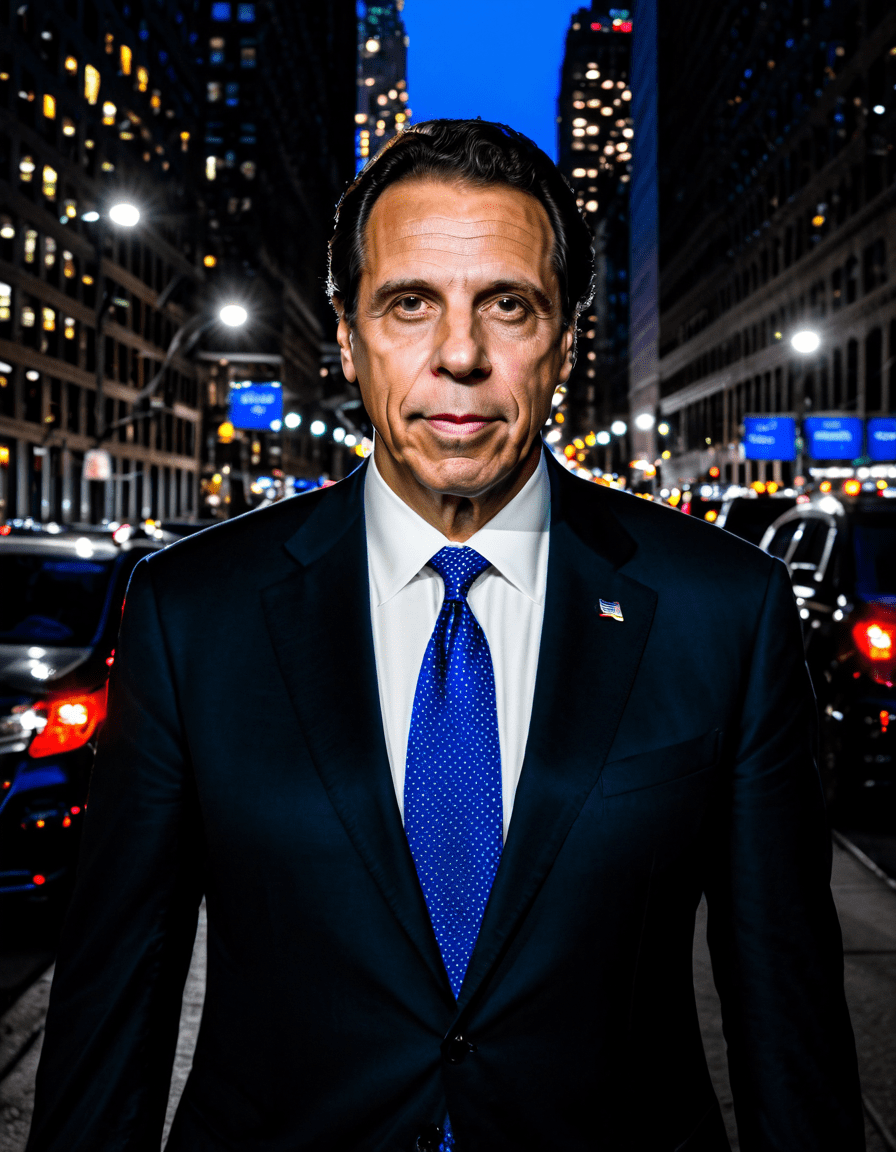
The Departure: Lessons from Cuomo’s Fall
In August 2021, Cuomo’s resignation marked a pivotal chapter in both New York politics and the broader discourse on leadership ethics. The swift ascension and plummeting fall of a once-lauded governor remind us that accountability is a non-negotiable aspect of public service. His story imparts critical insight into the balance leaders must maintain between personal behavior and public duty.
Shifting gears, figures like Griffin Dunne and Timothy Dalton highlight the intersection between celebrity and public scrutiny. Just as Dunne navigated the glitzy world of Hollywood, Cuomo’s journey underscores the perils of power and the fine line leaders must tread. Personal controversies often cast shadows over even the most impressive accomplishments, suggesting that leadership is not just about skill, but about ethical integrity too.
Comparisons with Cultural Figures: Cuomo, Ann Coulter, and James Franco
Cuomo’s narrative resonates beyond the political realm, drawing interesting parallels with cultural figures like Ann Coulter and James Franco. Both Coulter and Cuomo thrive in the contentious arena of public opinion, albeit with different tactics. Coulter’s combative presence often invites backlash, yet she continues to maintain her platform. Meanwhile, Franco’s fall from grace has led to a quest for redemption—demonstrating that personal reinvention may trump public condemnation in certain circles.
Ultimately, these comparisons serve as reminders that public figures must consistently evaluate their attitudes and actions. Whether in film, politics, or commentary, navigating public sentiment and accountability is never straightforward. Each misstep can trigger a firestorm, showcasing a common thread of how swiftly adoration can turn into disdain.
The New Path Forward: Cuomo’s Legacy and Future
As Andrew Cuomo reflects on his rollercoaster history, his journey serves as a cautionary tale for those aspiring to lead. It underscores that charisma and communication skills, while valuable, can’t replace accountability and ethical conduct. Controversies may shadow his legacy, but they also spark critical discussions around leadership ethics, especially in high-pressure environments.
While the political arena may have changed, the lessons from Cuomo’s saga remain relevant as society continues to seek integrity in its leaders—qualities that define not just political office but also cultural relevance. The shame of a fall may linger, but as future leaders arise, the need for moral clarity and ethical governance stands clear and resolute.
Cuomo’s legacy won’t just be about his trials and tribulations but serves as a mirror reflecting the vital need for accountability in leadership. As we sip our espresso and gaze at the next fashion-forward headline, let’s remember: it’s the ethical compass that ultimately guides those who wear the crown.
Cuomo: The Controversial Rise and Fall of a Leader
A Noteworthy Background
Andrew Cuomo, son of former New York Governor Mario Cuomo, had a politically charged upbringing that turned into a fascinating saga of ambition and controversy. Raised in a family deeply entrenched in public service, Cuomo carved out his unique identity, much like a star emerging from a supporting role. Public figures often draw parallels to iconic characters, and for Cuomo, one could almost liken him to Perry Mason—always on the hunt for justice, yet sometimes caught in the legal quagmire of scandal. Just as Perry Mason navigated the courtroom drama, Cuomo faced his own theatrical moments in politics.
Scandals and Spotlight
In a climate where public scrutiny is akin to a double-edged sword, Cuomo faced serious allegations of misconduct, leading to his eventual resignation—much to the shock of many New Yorkers. This fall from grace, intriguingly, echoed the drama of pop culture events, including leaked tapes that shook the entertainment industry, reminiscent of “Drake’s leaked video.” Just as celebrities often find themselves in hot water, Cuomo’s story turned into a cautionary tale about the weight of leadership in today’s digital age.
The Fallout
After stepping down, Cuomo’s political future seemed uncertain, reflecting the unpredictability of fame in the entertainment sphere, much like Josh Brolin’s movies, where one moment he’s a hero, the next a villain. The public’s fascination with Cuomo, akin to society’s obsession with influencers like Sommer Ray, showcased how quickly opinions can shift. Moreover, while political careers can crumble, many actors like Dakota Fanning have reinvented themselves, leaving the door open for potential comebacks. Whether Cuomo will chart a similar path is anyone’s guess, but it’ll certainly be a topic of conversation for years to come.
So what’s next for Cuomo? Time will tell, but much like Albany in springtime, where the August flower blooms brightly, there may still be chapters yet to unfold. Each twist and turn of his narrative seems to reveal more layers, keeping readers and followers begging for more insight into this controversial figure.