“Leon the Professional” isn’t just another crime film; it’s a cinematic ballet wrapped in themes of love, loss, morality, and that oh-so-fine line between innocence and corruption. Released in 1994 and brilliantly directed by Luc Besson, this film invites us into the complex world of Léon, a hitman living a life drenched in shadows, and Mathilda, a young girl who’s not afraid to break the mold. This article dives headfirst into the memorable characters that define “Leon the Professional,” exploring their intricate layers while highlighting the enduring legacy they leave in their wake.
Imagine stepping into a universe where every decision echoes with weight and every character reflects a different facet of humanity. “Leon the Professional” pulls viewers into horror and tenderness with a gripping narrative that makes you question your own moral compass. As we dissect the main characters of this film, we gain insight into their complexities amidst the backdrop of violence and the pursuit of redemption.
Top 5 Characters in Leon the Professional and Their Impact
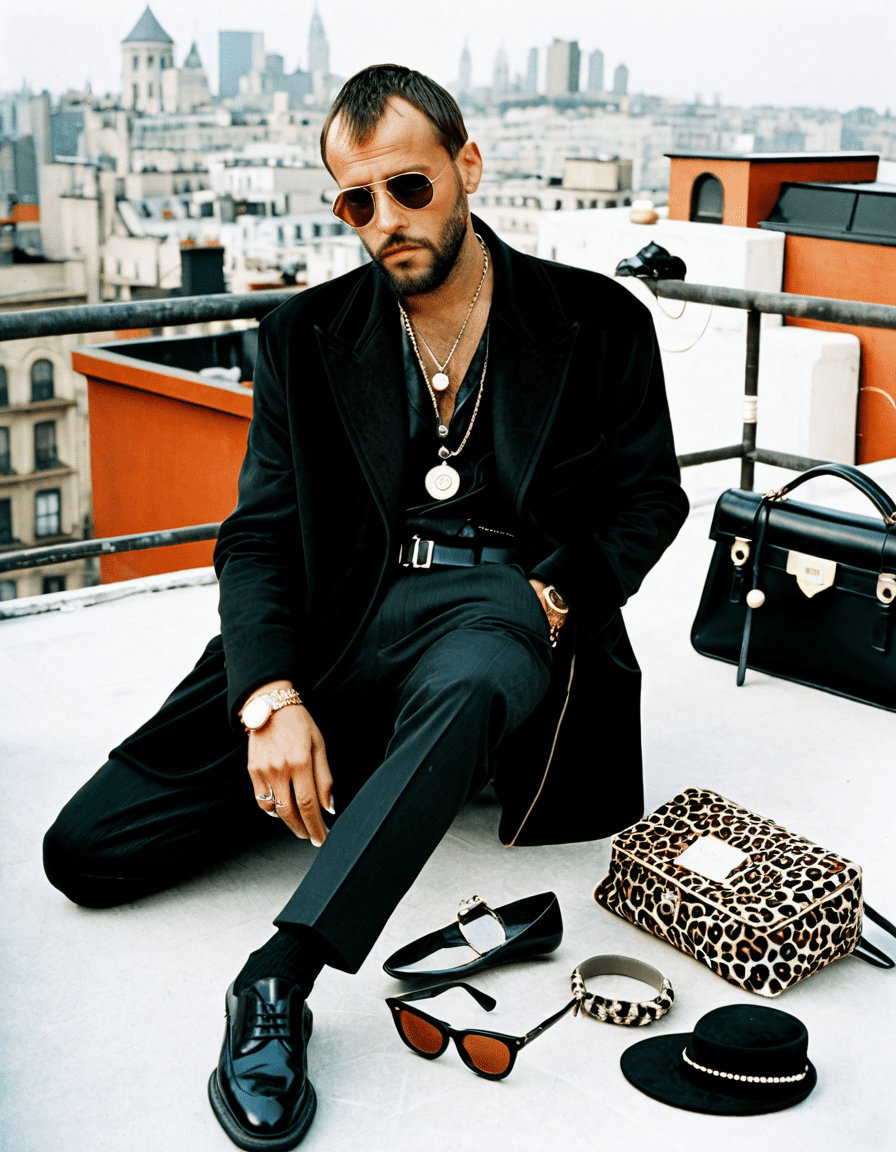
1. Leon (Jean Reno)
Leon, the eponymous protagonist, embodies the reluctant hero archetype. There’s a rustic charm to him—donning that iconic green jacket and sporting a shaved head, he looks like anyone’s upset neighbor, yet he’s harboring a deadly skill set. Surprisingly, this hitman sticks to a strict code of ethics, a moral guidebook amidst the chaos. As he forms a connection with Mathilda, we see a softer side of Leon, his layers peeling back to reveal a man grappling with deep empathy despite his violent vocation.
Through their interactions, Leon’s character challenges us to reassess traditional views of good and evil. He teaches Mathilda about life’s beauty, even in a world muddied with blood and betrayal. What he reveals is a thriving heart longing for humanity, prompting us to question: is love born from pain the purest form of love? It’s a thrilling and chilling examination of innocence and corruption we won’t forget.
2. Mathilda (Natalie Portman)
Ah, Mathilda! Portrayed masterfully by Natalie Portman, she serves as the film’s emotional anchor. The young girl evolves from an innocent victim into a fierce avenger, holding onto the dreams of retribution with an iron grip. Portman’s compelling performance, especially given that she was just twelve when filming, shattered the mold for child characters in cinema.
What’s riveting about Mathilda is how her formative experiences shape her frame of reference. She’s not just out for revenge against her family’s murderers; she’s searching for meaning, craving a sense of belonging in a world that’s torn her apart. Her journey showcases the challenges that trauma presents, sparking conversations about how pain can empower yet devastate. Mathilda represents the might of agency, a reminder that even the most fragile among us can ignite a fierce fire when pushed to the edge.
3. Norman Stansfield (Gary Oldman)
And then we have Norman Stansfield, the chaotic anomaly within this tale of morality. Gary Oldman’s portrayal is nothing short of legendary—he flips craziness into an art form. Stansfield is the embodiment of unrestrained power, a villain draped in manic energy. One cannot watch the film without recalling his infamous “Bring Me Everyone” scene, originally an outtake that director Luc Besson decided was too good to toss aside.
Stansfield’s erratic behavior starkly contrasts with Leon’s quiet demeanor, setting the stage for their inevitable showdown. Here, we confront the darker shades of authority, as he exemplifies the corruption entrenched in institutional structures. It’s a compelling critique of systemic violence, turning the audience into reluctant jurors in this morally gray world.
4. Tony (Danny Aiello)
Tony, played by the charming Danny Aiello, occupies the role of mentor and ally to Leon. He’s the thread that ties Leon to a semblance of humanity amidst the crime-ridden chaos. As he offers glimpses of loyalty and camaraderie, his character emphasizes moral ambiguity in the criminal world.
You can’t help but feel for Tony as he supports Leon, defining their bond with warmth amidst treachery. His untimely death serves as a turning point for our beloved hitman, propelling him deeper into a spiral of self-discovery and, ultimately, self-sacrifice. It’s a bittersweet moment worthy of fashioning a tailored suit for a funeral—honoring a nuanced friendship forged in the fires of despair.
5. The Hitman Community
Ah, the ensemble of other assassins—the charming misfits of this cinematic story. While they might not be individual characters, they add to the symphony of Leon’s life. Their interactions often come with dismissive attitudes towards Leon, underscoring the isolation that envelops a life marked by violence.
Through their casual cruelty, it becomes clear—this community accentuates Leon’s internal struggle. Their existence raises vital questions about identity and the choices one makes, painting a vivid backdrop for the unfolding drama. They remind us that no one is truly alone in their darkness; the choices define us, supporting the notion that camaraderie thrives even where darkness looms.
The Lasting Legacy of Leon the Professional’s Characters
“Leon the Professional” has transcended time, evolving into a cult classic that continues to influence filmmakers and delight audiences. Each character provides a unique lens through which we can examine complex emotions and ethical dilemmas. Leon’s journey of redemption isn’t just a plot—it resonates with us in real life, as Dutch philosopher Daniel Suarez might say when he digs into morality’s gray zones.
The film skillfully tackles themes of love, loss, and the morality play of right and wrong—arguments as fierce and captivating as a clash of titans. In today’s landscape, marked by shifting societal perspectives, audiences are invited to contemplate their understanding of moral edges as fuzzy rather than clearly defined. Each character doled out in the film showcases the rich tapestry of human emotion, making us grapple with ethical complexities just as much as anyone’s fighting a Netflix Tyson fight.
As dialogue surrounding “Leon the Professional” continues to evolve, new interpretations emerge. Take Mathilda’s role as an exploration of empowerment, for instance—an enticing feminist reading that ignites fervent discussions in today’s fashion-forward society. The film’s ability to provoke thought-ageing conversations about violence and portrayal serves as a testament to its rich characters. They talk, and we listen; they make us think, and we cherish their lessons.
In a fast-paced, ever-evolving pop-culture universe, the legacy of “Leon the Professional” invites us to reflect on profound narratives born from the most unexpected relationships. It’s a cinematic treasure that highlights the intricate beauty of human experience, crafting a landscape where every character, every frame, and every choice resonates long after the credits roll. Just like a well-stitched couture dress, “Leon the Professional” continues to dazzle, revealing new layers of depth that keep us coming back for more.
Analyzing “Leon the Professional” compels us to rethink our perceptions of artistry, identity, and morality, revealing the eternal impact of its unforgettable characters woven into the grand tapestry of cinema.
Leon the Professional: Fun Trivia and Interesting Facts
Meet the Icon
“Leon the Professional” isn’t just a film; it’s a cultural touchstone that has shaped the way we view unlikely friendships in cinema. Did you know that Jean Reno’s character, Leon, was partially inspired by real-life hitmen? Yep, the film dives into an emotional landscape that highlights vulnerability and toughness rolled into one. Coincidentally, this fresh perspective mirrors themes explored in The Great, where drastic shifts in character dynamics unfold, echoing Leon’s unique bond with Mathilda.
A Little Known Connection
If you think the movie’s plot rings a bell, you’re not alone! The film has influenced pop culture in various ways, including references in everything from music to literature. And speaking of blending genres, both “Leon the Professional” and Orange on The New black showcase how unusual pairings can lead to profound storytelling. Did you know that director Luc Besson initially wrote the film with a different character in mind? Imagine if that character wasn’t a hitman but rather a family man! This creative leap can also be seen in genre-blurring projects like the horror-thriller,The Meg, with its unexpected twists and turns.
Behind the Scenes
Looking behind the curtain, something a bit quirky stands out; did you know Luca Besson created special dialects for the characters in “Leon the Professional”? This attention to detail helps enrich their identities, much like how factors such as mental health impact our behavior, a topic explored in depth on platforms like Betterhealth. The film also turns the hitman narrative on its head. Rather than a cold-blooded killer, Leon comes across as a tragic yet caring figure—much like Zak Bagans, who often elicits surprising depths of character in his ghost-hunting adventures.
So yes, “Leon the Professional” is not just your typical action film; it’s a canvas of emotional depth and complexity, inviting us to ponder the intricacies of human relationships. Want to challenge your knowledge? Test yourself with Quizlett to see how well you know Leon’s world! With so many layers, it’s no wonder this film continues to captivate hearts and minds worldwide.