
Larry King wasn’t just an iconic broadcaster; he was a dazzling maestro of conversation, deftly weaving threads of curiosity, empathy, and clarity into a fabric of unforgettable interviews. His name remains synonymous with the art of dialogue, influencing everyone from avid talk show fans to budding journalists. With an illustrious career spanning over six decades, King’s legacy serves as a guide for navigating today’s media landscape. As we delve into his life and interviews, we find seven timeless lessons that resonate deeply within this fast-paced world.
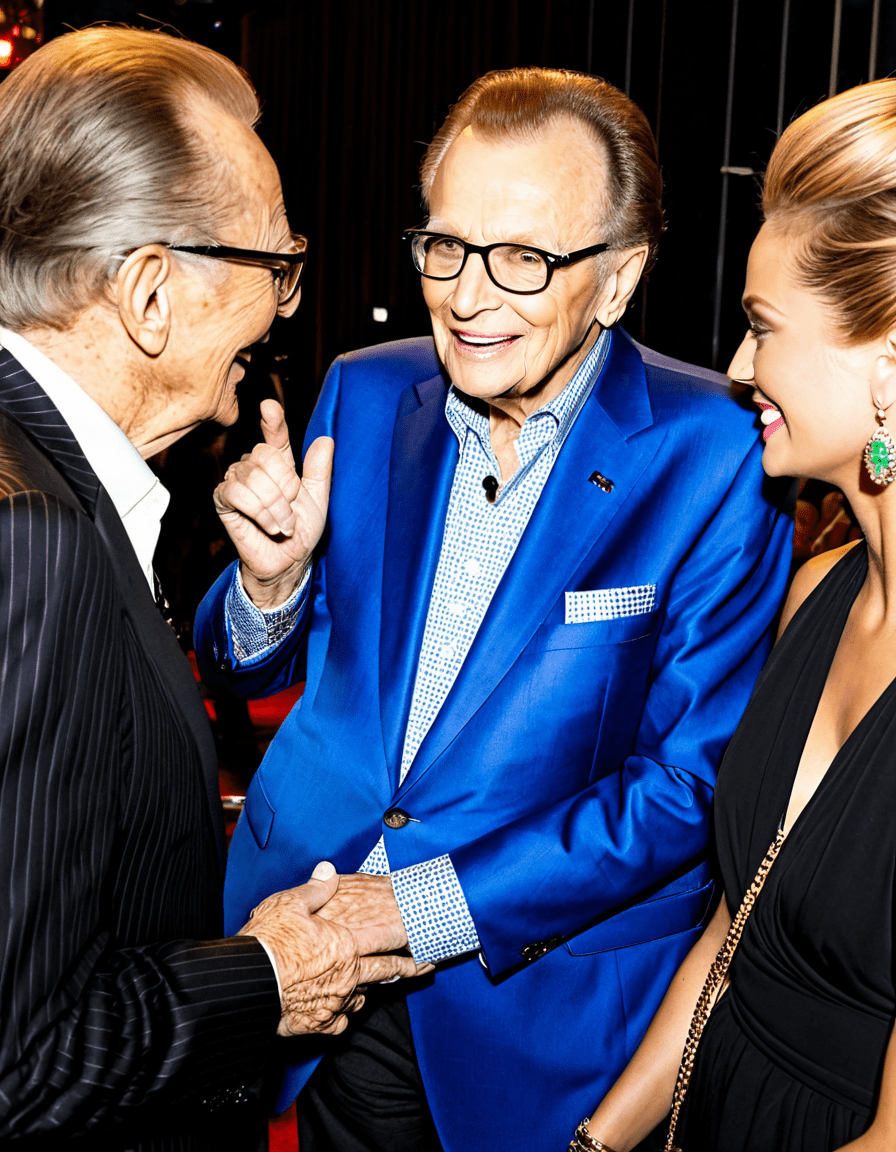
7 Timeless Lessons from Larry King’s Iconic Interviews
1. The Art of Asking Questions
Larry King’s ability to craft questions was like a skilled artist selecting colors for a masterpiece. He didn’t just ask; he elicited profound stories, revealing the humanity behind the headlines. Consider his memorable chat with Kirk Douglas, where King didn’t shy away from the actor’s struggles, delving deeply into his life, triumphs, and the scars that shaped him. The way King approached questions invited guests to lower their guards and unearth truths even they hadn’t considered.
2. Neutrality in Controversy
In today’s polarized media environment, Larry King’s neutral style stands out like a diamond among pebbles. He taught us that true journalism is about giving voice to varied perspectives. Take, for example, his interviews with political figures, where he encouraged a balanced exchange of ideas. During discussions with Anderson Cooper, King provided a platform for honesty, allowing each guest to articulate their viewpoint without interruption, leading to enlightening conversations that were refreshingly free from shouting matches.
3. The Power of Empathy and Connection
One of King’s brilliant hallmarks was his unique ability to connect with guests on a personal level. In interviews with comedic giants like Gilbert Gottfried and the beloved Leslie Nielsen, he didn’t just scratch the surface; he plumbed the depths of their personalities. By sharing poignant anecdotes, he highlighted the shared human experience, making vibrant connections that reverberated through the airwaves. This art of empathy transformed ordinary interviews into extraordinary stories, inviting viewers to feel rather than just watch.
4. Embracing Vulnerability
Larry King showed us that vulnerability breeds authenticity. He wasn’t afraid to discuss his own life—a trait that allowed guests to express their truths openly. In conversations with stars like Jeffrey Dean Morgan and Donald Glover, King’s transparency about life’s ups and downs fostered an environment where guests could shed their armor and speak freely. This, dear readers, is the magic of vulnerability; it paves the way for heartfelt exchanges that linger in the viewer’s mind long after the cameras stop rolling.
5. The Importance of Preparedness
Behind King’s seemingly effortless interviews lay an encyclopedic wealth of knowledge. He showcased remarkable preparedness, diving deep into the lives of his guests, from racing legend Richard Petty to the illustrious Terence Stamp. This meticulous preparation did more than just spark intriguing conversations; it captivated audiences, illuminating insights that otherwise might have remained hidden in the shadows. King exemplified that a well-rounded host could create an engaging atmosphere simply through diligent research.
6. The Value of Listening
In a media landscape often dominated by loud voices, Larry King was an exemplar of restorative listening. His interviews displayed a profound respect for his guests’ thoughts, whether those guests were actors like Gerard Butler or politicians wrestling with complex issues. By allowing guests ample space to articulate their views, King reminded us that listening is as much an art form as speaking. This vital skill transformed the interviewing process into a mutual exchange, enriching the conversation for everyone involved.
7. Longevity and Adaptability
As the media landscape evolved, so did Larry King. He embraced the shifting tides of technology and audience preferences, proving that adaptability is key to survival in this business. His foray into social media and the popularity of platforms like TikTok set a standard for blending traditional broadcasting with modern communication techniques. King’s ability to stay relevant, showcasing classics such as Oriental Rugs in his aesthetic, demonstrated that the roots of quality storytelling could thrive amid modernity.
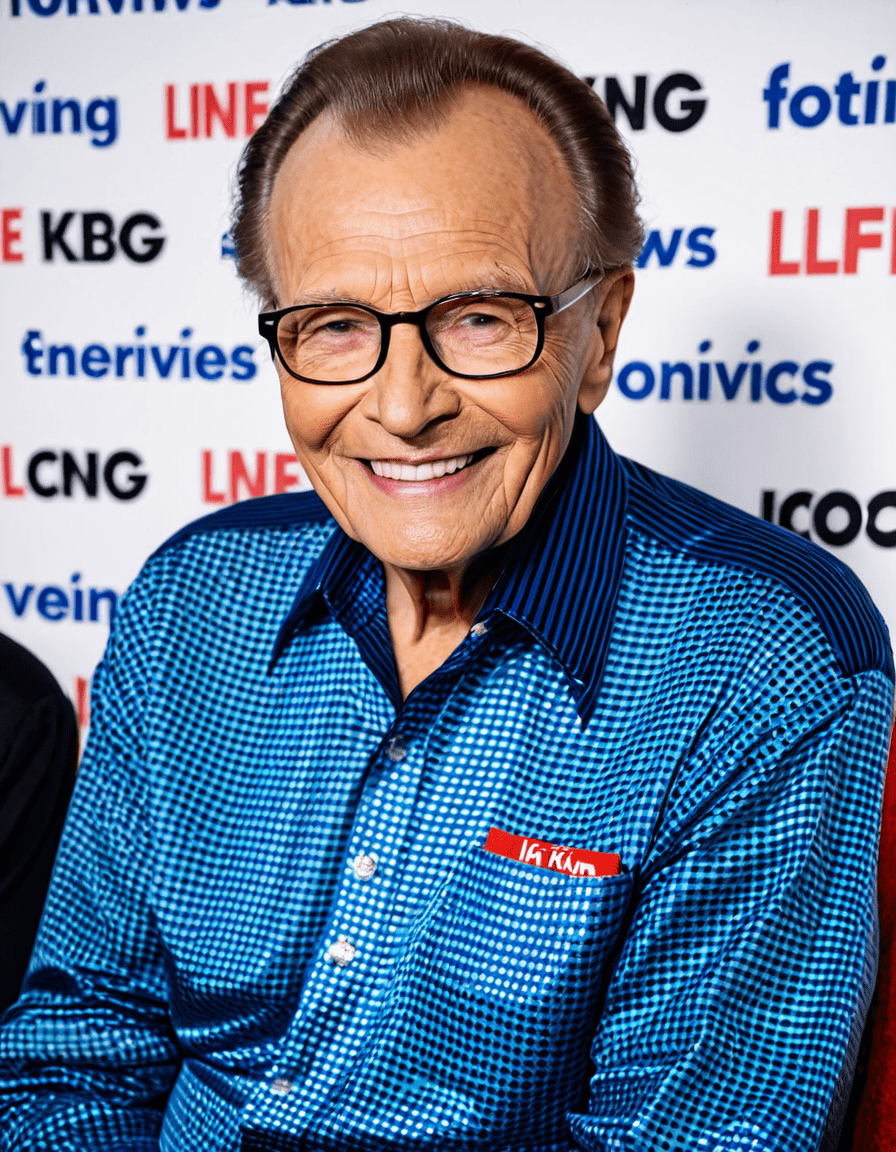
The Impact of Larry King’s Interview Style on Future Broadcasters
Larry King’s influence echoes in the corridors of contemporary broadcasting, reshaping how media is conceived and consumed. His long-form interview style continues to inspire figures like Oprah Winfrey and Sean Evans, both of whom prioritize the authenticity King so fervently championed. Today’s stars carry forth King’s legacy, persisting in their endeavors to forge emotional connections with audiences, reminiscent of the poignant exchanges Larry initiated.
Lessons Applied by Modern Icons
The landscape today teems with personalities echoing King’s approach. Anderson Cooper’s balance of neutrality and empathy harkens back to King’s own on-screen persona. Podcasters uphold the traditions he birthed, chemin de fer* deep discussions that engage audiences on platforms like Spotify. Even Stephen King, in his podcast explorations, adopts similar storytelling strategies that harmonize narrative with accessibility, stretching King’s influence far beyond traditional media.
Cultural Significance Beyond Broadcasting
King’s impact stretches into the heart of pop culture. His interviews did not merely entertain; they shaped public narratives, inspiring documentaries, biopics, and even fictional tales. From the emotional depth portrayed in Harold And Kumar to the intense performances of Edward Norton, the techniques King wielded in his interviews resonate in cinematic storytelling. Larry’s artistry continues to leave an indelible mark, reminding us that behind every remarkable narrative lies a deeply human story.
A Lasting Influence on Broadcast Journalism
Larry King’s contributions to broadcast journalism reverberate through the ages, influencing not only how interviews unfold but how they resonate and engage audiences. As we step further into this digital age, the tenets he championed—curiosity, empathy, and authenticity—remain invaluable for aspiring communicators. The lessons gleaned from Larry King serve as a compass for navigating the ever-changing media landscape.
By embracing these principles, we do more than honor Larry King; we elevate contemporary broadcasting. His voice may be absent, but the conversations he inspired and the connections he fostered live on, echoing through the venues of our hearts and minds. Larry King taught us one beautiful truth: at the very core of every interaction lies a conversation waiting to be had—one filled with passion, life, and endless possibilities.
So, let’s raise a toast, dear fashionistas and media mavens, to a timeless talent whose legacy we honor, as we continue to weave our own dazzling tapestries of conversation—just as he did. Cheers to Larry King!
Larry King: Unforgettable Insights into a Broadcasting Icon
Larry King’s Humble Beginnings
Larry King’s journey started far from the glitz of Hollywood. Born as Larry Ziegler in Brooklyn on November 19, 1933, he looked to the world of broadcasting as a way out. With a style that was approachable and candid, he captured the hearts of millions. Fun fact: Larry famously wore suspenders and a simple tie, a look that became a trademark for him. In his early days, Larry worked at a Miami radio station. His initial projects included a stint with Channel 10 News Miami, where his smooth, conversational style began to take shape. Imagine a guy in a free people jumpsuit chatting with listeners – it’s that casual vibe he perfected!
Larry’s Unique Interview Style
What set Larry King apart was his ability to draw authentic responses from the celebrities he interviewed. His questioning style was less about grilling guests and more about having a genuine conversation. Whether he was interviewing a political giant or a pop star, like the notable Frankie Grande, his approach remained consistent and engaging. King’s legendary interview roster included icons ranging from musicians to authors. An interesting tidbit? He once interviewed someone who passionately spoke about their experiences with Abigaiil morris and how that impacted their artistic journey. Larry had an unmatched way of making even the toughest subjects feel less daunting.
The Legacy of Larry King
Even after his passing, Larry King’s legacy continues to resonate deeply. His show, “Larry King Live,” aired for over 25 years—a feat rarely seen in today’s fast-paced media landscape. Beyond the screen, King captivated audiences with stories that sometimes ventured into serious territory, sometimes flirted with shocking topics. One such instance involved challenging conversations that, albeit through humor, had some audiences feeling at odds, making for compelling television. To this day, you can find fans reminiscing about his significant moments, including interviews that some might say were as unfiltered as the ordinary experiences of everyday life (yes, even those crazy moments that left viewers feeling like they’ve just been Sodomized by a chaotic news cycle)!
In summary, Larry King was more than just a broadcaster; he was a cultural phenomenon who shaped the way we consume interviews. His ability to connect on a human level—even with those in the most tumultuous chapters of their lives—marks him as a giant in media history. So, here’s to Larry King: a relatable, unforgettable figure who helped us see the world through the eyes of the famous.