
The Enigma of Caves: Nature’s Subterranean Marvels
Caves—those hidden chambers of wonder—have always piqued our curiosity. They emerge as sanctuaries, shelters, and spiritual meeting points. These underground delights, sculpted over countless millennia, harbor secrets that open doors to the very essence of Earth’s geology and ecosystems. While it’s tempting to think of a cave merely as a dark hole in the ground, the layers of history, art, and life concealed within tell a tale far more elaborate.
Imagine a canvas splashed with colors ancient and deep, whispering stories of past civilizations and climate shifts. Each cave serves as a time capsule, preserving echoes of history while subtly reminding us of the fragility of our world. So, let’s dive into the depths of these cavernous beauties and discover more than just the soil and stone that encompass them.
As we chart the course of exploration, it’s vital to remember that these caves beckon us to contemplate our relationship with nature. They are, quite frankly, nature’s masterpieces awaiting our admiration, and they hold promises of beauty, knowledge, and adventure. The exploration of these subterranean gems is not merely an excursion but a journey into the interconnectedness of life itself.
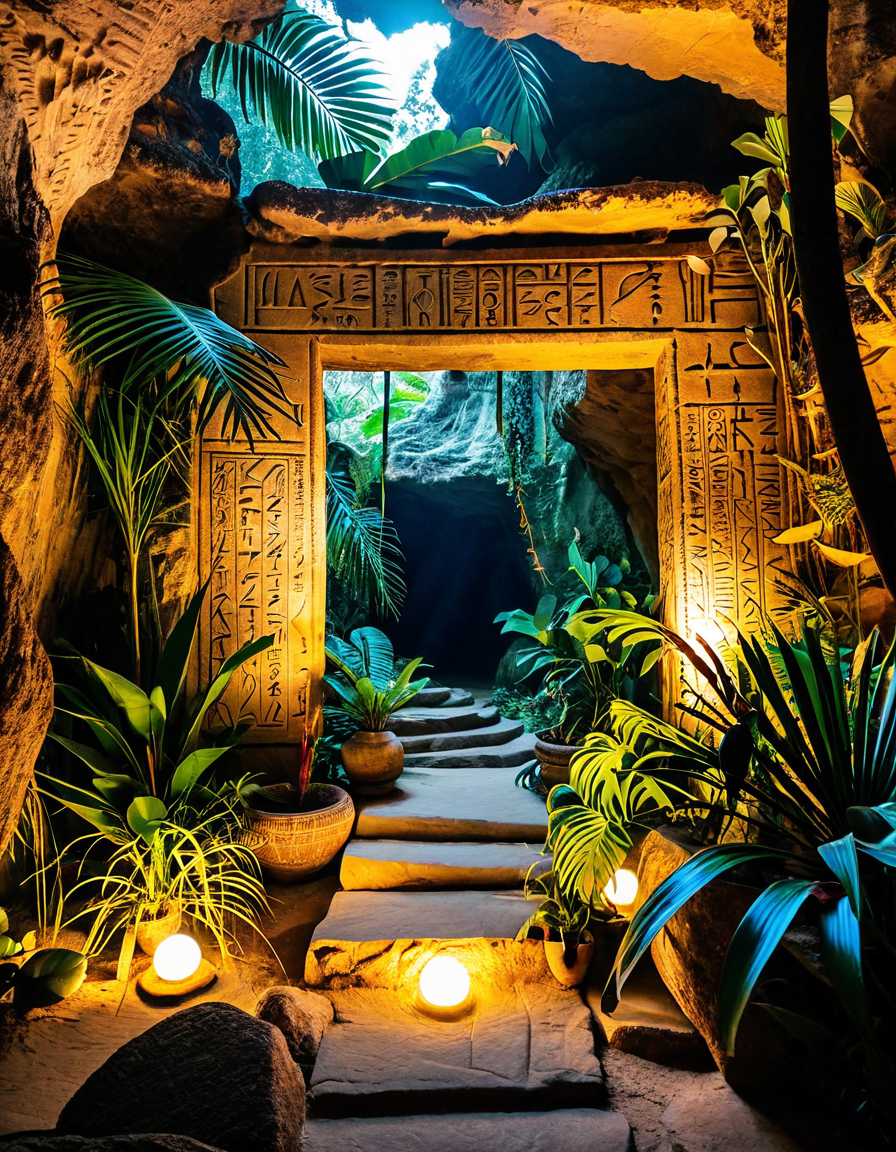
Top 7 Caves That Showcase Nature’s Canvas: From Rome to the Future
Ah, the allure of The Blue Grotto! Nestled on the glamorous island of Capri, this cave captivates with its luminescent blue waters. The dance of light entering the cave creates an enchanting atmosphere that feels almost celestial. Historically significant, it’s been a haven for artists like August Kopisch. The beauty here reminds us of our responsibility toward conservation; responsible tourism is crucial to maintaining such delicate ecosystems.
The whispers of Lascaux Caves near Montignac are nothing short of historic. With its Paleolithic paintings dating back over 17,000 years, you’re thrown into a vividly enchanting narrative crafted by our ancestors. The intricate images—imagine them as the first chapters in the book of human history—signify not just artistry but cultural expressions of early man. As technology progresses, digital recreations through artificial intelligence will preserve these wonders for generations to come, presenting a future where history meets innovation.
If you’ve never seen the Waitomo Glowworm Caves, darling, you must! Here, luminescent glowworms create a dreamy spectacle, transforming darkness into a shimmering fantasy. Drawing thousands yearly, they prompt vital ecological discussions about biodiversity and cave ecosystems. These delightful critters act as environmental sentinels, telling us when things go awry in nature. Isn’t it awe-inspiring how a cave can speak volumes about climate’s impact?
Among nature’s most resplendent masterpieces, Carlsbad Caverns boasts over 119 caves, distinguished by mesmerizing rock formations and unique wildlife, including bats that put on nightly performances. More than just a geological marvel, it’s an ecological haven; these bats play a vital role in local ecosystems. Scientific research here sheds light on cave biodiversity, reflecting the interconnectedness of life and the importance of preserving such habitats.
Imagine a cave where icy grandeur meets volcanic prowess! The Ice Caves of Mutnovsky are striking, showing the union of ice and volcanic activity. The ethereal beauty of the formations and steamy geysers beckons adventurers while presenting crucial data regarding climate change and volcanic behavior. These icy paths offer a glimpse into our world’s dynamic nature—like an extravagant dance between fire and ice!
This vibrant cave dazzles visitors with its multicolored lights and enchanting geological formations over 180 million years old. The Reed Flute Cave stands as a testament to nature’s artistry while pushing conservation narratives forward among local communities. These initiatives provide a junction where tourism and environmental preservation may evolve hand in hand, ensuring cultural heritage is embraced in a future of responsible adventure.
Prepare to be awed! The Cave of the Crystals holds environmental wonders, featuring gigantic selenite crystals reaching an astounding 12 meters in length. Found deep within the earth, they symbolize the splendor and mystery of geological phenomena. Research here offers insights into crystal formation while evolving mining techniques help protect these pristine environments for explorations yet to come.
Exploring the Intersection of Nature and Human History
Caves are more than just geological formations; they link us directly to our shared past and the world around us. From ancient art in the Lascaux Caves to the glowing beauty of Waitomo, these subterranean marvels offer not just facts but rich narratives steeped in human history. They invite scientific exploration while rekindling our curiosity about what lies beneath.
As we move forward, the merging of conservation efforts with technology promises a future where we can preserve these cultural narratives. We find ourselves at a crucial moment, balancing the appreciation of nature’s wonders—akin to a luxury brand launch—and our duty to protect them. With each echo of dripping water and each flicker of light, caves reinforce our legacy and remind us of the responsibilities we carry.
In conclusion, these breathtaking caves do more than just exist; they urge us to take action and preserve the natural beauty that is both our heritage and our collective responsibility. Let’s embrace the secrets of nature, allowing them to inspire our fashion choices, our travels, and, indeed, our very essence. After all, by honoring these hidden gems, we craft a sustainable future—one where nature and humanity flourish in harmony.
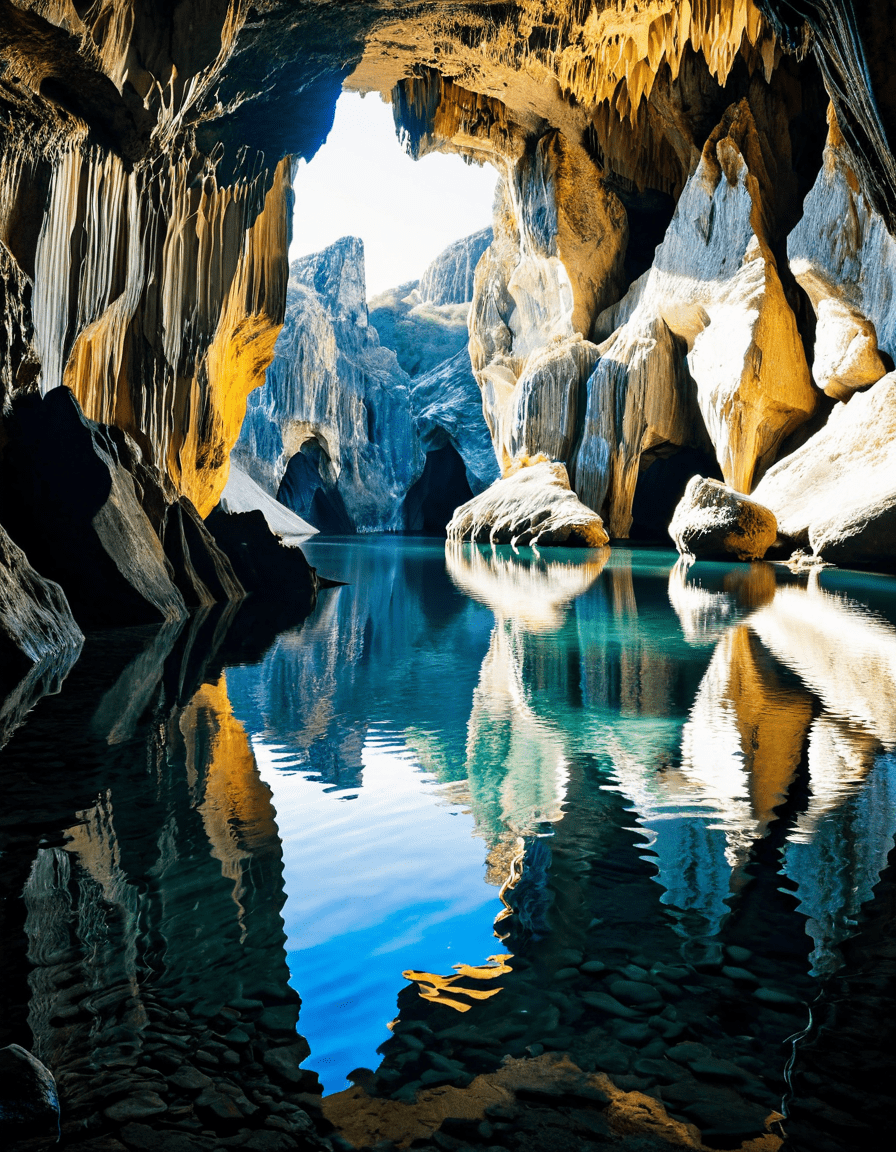
Cave Wonders: Nature’s Hidden Marvels
Mysterious Origins
Did you know that caves are some of the oldest geological formations on Earth? They can take millions of years to develop, carving out stunning landscapes beneath our feet. For instance, the Mammoth Cave in Kentucky is a staggering 400 miles long, making it the longest cave system in the world. Also, there’s a fascinating connection between caves and ancient cultures, with many being used for shelter or burial sites. Just like with planning a business proposal, understanding the environment is key to thriving in such unique ecosystems.
Life After Dark
It’s truly remarkable how life thrives even in the darkest corners of the Earth. Within cave systems, you’ll find unique species like the cave-dwelling fish that are blind yet perfectly adapted to their environment. Speaking of darkness, night provides an intriguing backdrop for exploring caves, as some are known for stunning light shows caused by bioluminescent organisms. Imagine stepping into a cave only to be greeted by a beauty akin to a hidden treasure trove! But while some caves illuminate nature’s artistry, others harbor legends that could rival a film plot, much like in Friday The 13th 4, where myths and thrills intertwine.
Erosion and Debris
Caves also tell a tale of natural processes at play. Erosion, through water and wind, slowly shapes these underground wonders and creates stunning features like stalactites and stalagmites. Yet, caves are also custodians of history, containing layers of debris that reveal millennia of changes in the environment. For instance, artifacts found in caves can shed light on early human life. Think of it like Doc Hudson from Cars—both are timeless, serving as a nostalgic reminder of how we fit into the greater storyline of our planet. In fact, exploring caves can feel like being a castaway—discovering a hidden world that few have seen!
So, the next time you think about caves, imagine not only the beauty but also the profound mysteries and history that dwell within. Each cave holds its own story, just waiting to be explored, much like the epic adventures of characters in legends such as La Doncella. There’s so much more than what meets the eye in these magical portals beneath the surface!