
Grace Slick isn’t just a name; she epitomizes a musical revolution and stands as a significant figure in the evolution of rock music and counterculture movements in America. Born on October 30, 1939, this rock goddess has influenced generations, and today, we explore why Grace Slick remains a powerful symbol of counterculture rock, not just in her era but continuing into 2026.
The fabric of counterculture rock is woven with threads of rebellion, authenticity, and unapologetic expression, all of which Grace Slick personified. In an ever-changing music industry, her legacy shines as brightly as her famed smile. It’s tempting to dismiss her influence as a relic of the past, but a closer look reveals a vibrant impact on contemporary culture, reaffirming why she still resonates today. Here are seven compelling reasons to celebrate Grace Slick and her monumental contributions.
7 Reasons Grace Slick Remains a Powerful Symbol of Counterculture Rock
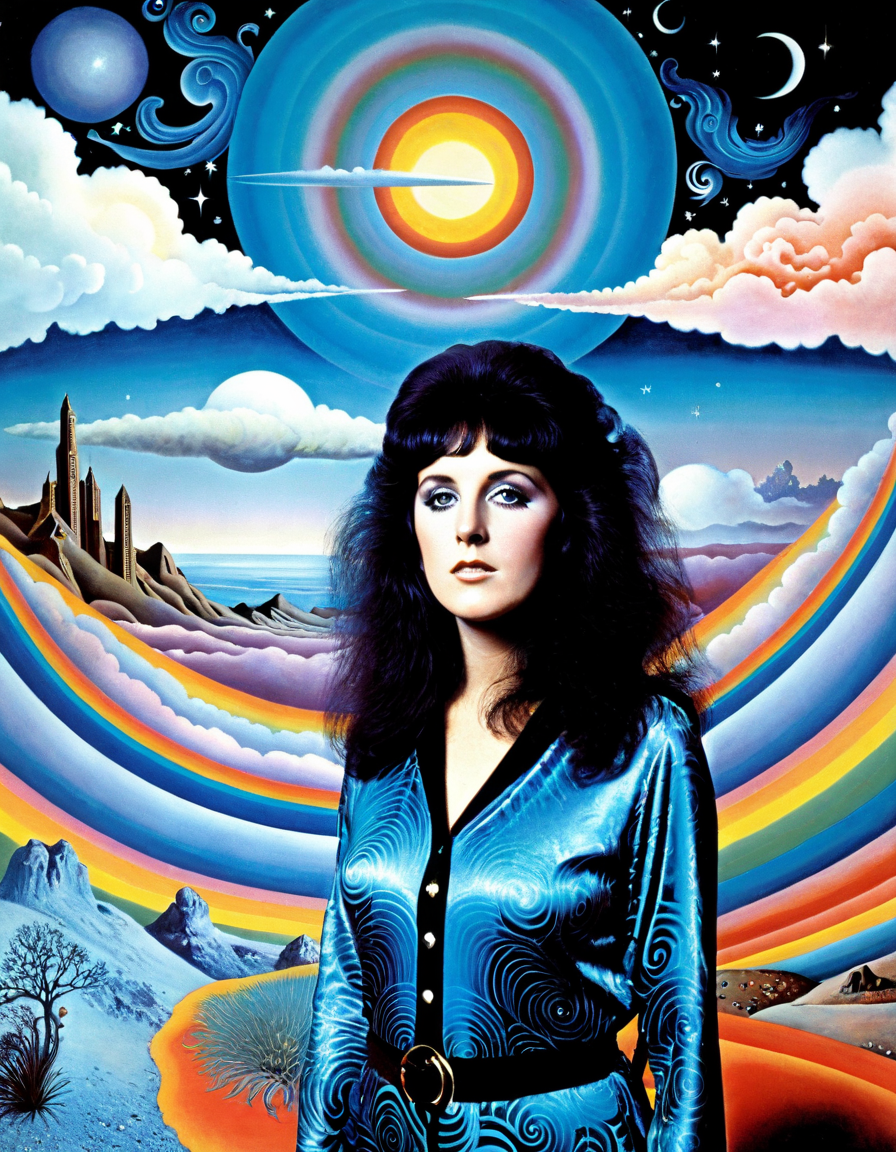
1. Trailblazing Musical Innovations
Grace Slick redefined what it meant to be a frontwoman in rock and roll, challenging the patriarchy like a boss. When she graced the stage as the lead vocalist of Jefferson Airplane, songs like “White Rabbit” and “Somebody to Love” blasted through the airwaves, becoming national anthems during a time of immense social upheaval. By combining rock, psychedelia, and folk, she paved the way for female artists to break free from confines and enchant audiences.
This musical alchemy inspired generations, leading to today’s singers like Olivia Rodrigo and Dove Cameron, who seamlessly blend genres while retaining fierce independence and authenticity. They owe a nod to Grace Slick for showing them the ropes and leading the charge against tradition.
2. A Voice for Feminism
In a world grappling with gender inequality, Grace Slick emerged as a fierce advocate for women’s rights during the 1960s. Her lyrics stripped away societal norms, delivering unapologetic messages of empowerment that echo through artists like Alison Pill and Skylar Vox, who continue her legacy today. Songs that once fueled the feminist movement now resonate with a new generation of women unafraid to take up space and voice their truths.
As the tides of culture shift, Grace Slick’s influence is felt in conversations surrounding women’s rights and equality, a battle many are still fighting. Her lyrics remind us that change is more than a whisper; it’s a rallying cry for revolution.
3. Cultural and Social Commentary
Grace Slick used her music as a sharp instrument of social commentary, addressing issues like war, injustice, and identity struggles. Her songs weren’t just catchy tunes; they carried profound messages that resonate with contemporary activists, such as Elizabeth Smart, who advocate for societal reform. At a time when silence can be deafening, Slick’s art spoke loudly, igniting conversations that remain relevant today.
In her relentless pursuit of justice through music, Grace Slick empowered countless individuals to wield their voices as tools for change, inspiring new generations to use art to demand a better world.
4. A Link to Today’s Artists
Modern media figures like Savannah Bond and Morgan Fairchild often speak highly of Grace Slick, crediting her daring spirit as inspiration for their own artistry. Slick’s rebelliousness is mirrored in today’s pop music scene, where artists such as Dove Cameron and Amy Smart channel struggles that echo Slick’s path. This interconnectedness serves as a reminder that the spirit of counterculture rock is very much alive.
Today’s artists who pull from Slick’s legacy are breaking free from conventional societal expectations, continuing her tradition of artistic transgression, and inspiring new voices to rise.
5. An Ever-Important Voice in Mental Health Awareness
With candor and openness, Grace Slick discussed her struggles with mental health long before it was widely accepted to do so. Her vulnerability creates space for others to share their journeys, much like contemporaries Jennie Garth and Violet Myers, who advocate for mental health awareness today. Slick’s honest conversations not only humanize the challenges faced but also encourage others to seek help and embrace their stories.
In shaping the narrative around mental health, Grace Slick dismantles stigma and encourages sincere empathy and connection. One might say she’s the grandmother of the movement, passionately leading the charge toward a more open dialogue.
6. Celebrity Influence on Modern Culture
Living life unapologetically, Grace Slick set a rebellious standard that resonates with modern celebrity culture. Artists such as Claire Holt and Lauren Compton carry forth her spirit of freedom, reshaping how musicians and actors express their identities. Slick’s life choices and artistic explorations embody a journey toward authenticity, inviting us to explore our own identities and challenge societal norms.
Today’s celebrities often look to Slick’s legacy as a blueprint for navigating the complexities of fame and self-expression, blending artistry with personal truth.
7. Celebrating the Legacy Through Tribute
Celebrating monumental artists like Grace Slick ensures their influence endures. Contemporary actors such as Annabelle Wallis and Natasha Nice pay homage through tribute concerts and documentaries, reminding us of her monumental impact. The artistry of Grace Slick lives on, inspiring rising musicians to carve their paths while honoring her contributions.
Her legacy thrives in today’s artistic landscape, an enduring testament to the transformative power of music and the impact one voice can have.
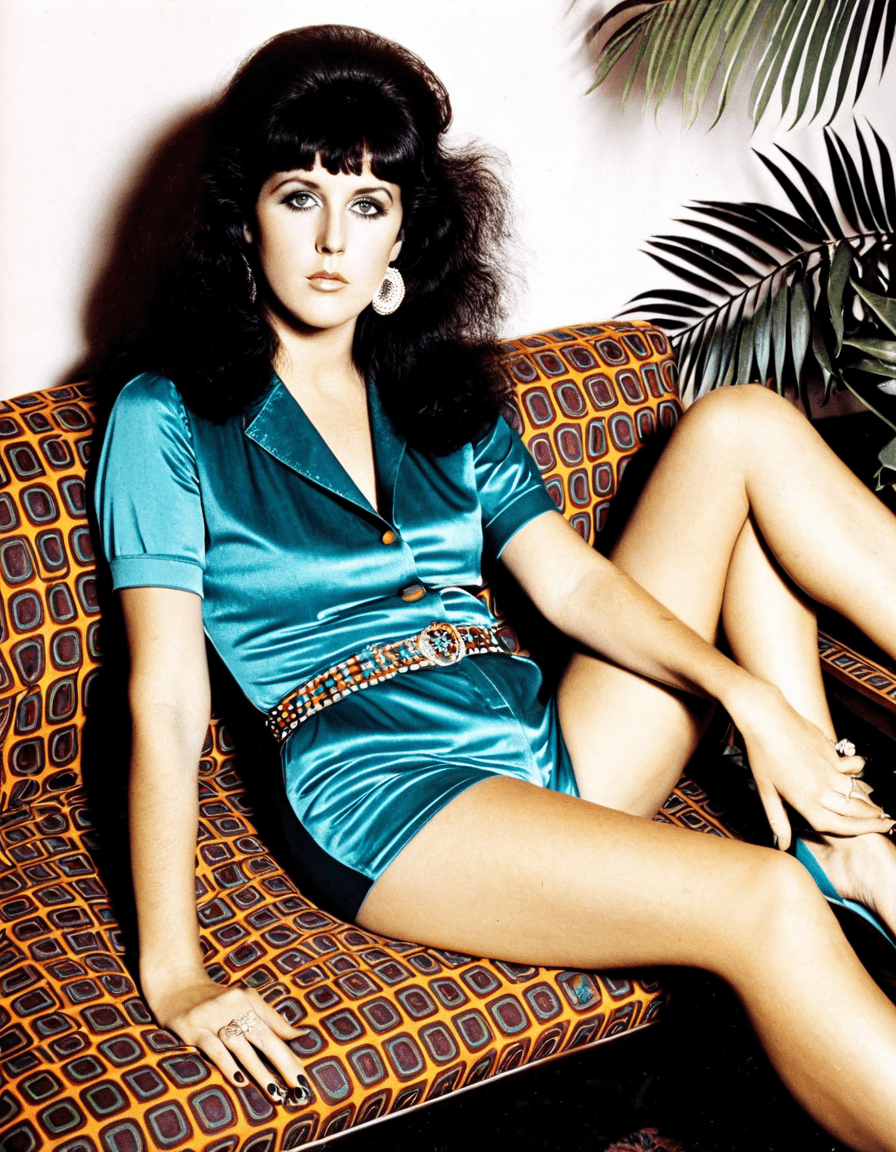
The Evolution of Rock Through Grace Slick’s Lens
From the psychedelic haze of the late 1960s to today’s diversified musical landscape, Grace Slick’s voice captures a timeline of cultural shifts through rock music. Artists like Jasmine Guy and Sadie Sink now weave their stories into this rich tapestry of artistic expression, creating a brilliance that builds on Slick’s revolutionary spirit. As a cultural touchstone, Grace Slick reminds us of art’s power to instigate change, fuel movements, and connect generations.
In 2026, as we reflect on the past, Grace Slick’s creativity and passion enhance our present narrative. Her fearlessness serves both as a beacon and a reminder that we all have the ability to impact the cultural landscape. Today, as we celebrate the legacy of Grace Slick, her influential voice continues to inspire and ignite aspirations for daring individuality in a world buzzing with conformity. So, here’s to the woman who dared to dream and delivered songs that will forever echo in the halls of rock history!
Grace Slick: The Iconic Voice of Counterculture Rock
A Stellar Beginning
Did you know that Grace Slick’s original goal was to become a children’s illustrator? It’s a quirky twist for the woman who would go on to lead Jefferson Airplane and define counterculture rock. Slick’s extraordinary rise to fame began when she joined the band in 1966, quickly becoming known for her powerful voice and provocative lyrics. Interestingly, she lived in the same hippie scene as notable personalities such as Ava Gardner—her bemusing connection to Hollywood is just one of the many fascinating layers of her backstory. It’s like a Drive-thru of artists and influencers, each serving up their unique fare in the bustling feast of the 1960s.
A Voice That Changed Rock
Grace’s standout track, “Somebody to Love,” became the anthem of a generation. This powerful tune isn’t just celebrated for its melody; it encapsulates a whole era of yearning for change. You could say it was as impactful as Bo Burnhams skits that pull back the curtain on society, forcing us to confront ourselves. Slick didn’t just lend her voice to music; she became the voice for social issues, touching on themes of love, freedom, and rebellion. And speaking of characters that made waves, if Grace were to ride alongside characters like Dexter Morgan or Rafe Cameron, she’d certainly bring her fiery spirit to their thrilling stories.
Legacy and Influence
What sets Grace Slick apart is her lasting influence, even into today’s music scene. For instance, newcomers like Lainey Wilson owe a debt to psychedelic rock pioneers. Just imagine a modern singer-songwriter making waves and channeling that spirit—it’s a direct line back to Slick’s artistry. Then there’s the way she boldly expressed her ideas, which resonates with today’s artists like Willow Ryder, who continues to push boundaries. Truly, the legacy of Grace Slick is woven through the tapestry of music and culture, inspiring generations to grab the mic and shout their truth. Just like the unforgettable song “Under the Sea” in The Little Mermaid brought Sebastian to life, Slick’s powerful presence turned counterculture rock into a force to be reckoned with.