In the dazzling domain of fashion, art, and entertainment, the spotlight stands as a luminous beacon. More than just a tool to brighten stages, the spotlight represents our most profound aspirations for creativity, originality, and social change. It’s evolved from a simple beam of light to a robust symbol of what it means to inspire and provoke thought. This article takes you on a journey through the extraordinary life of the spotlight, illuminating its historical significance, transformative cultural moments, and the influential figures who harness its power to shine a light on critical issues.

The Evolution of a Cultural Icon: Spotlight’s Journey Through Time
The spotlight’s story begins well before it graced our theaters or catwalks; it blossomed from humble beginnings in early forms of illumination. Initially, spotlights were practical tools—nothing more than basic devices used in theatrical performances. As time progressed, they transformed, revolutionizing how audiences interact with art and performance.
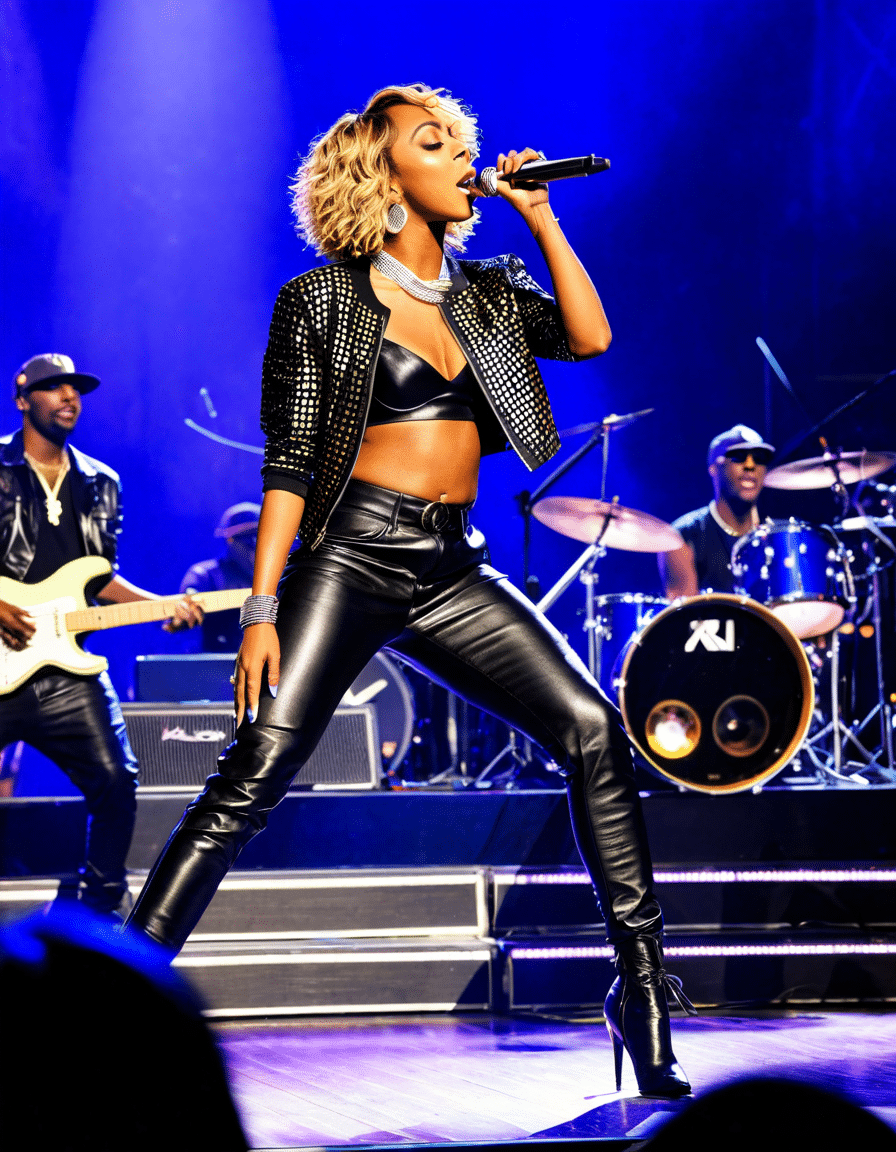
Fast forward to today: the spotlight has transcended the physical. It’s become a metaphor for creativity, inspiring a plethora of genres and mediums—think of how Beyoncé uses the stage to advocate for equality and body positivity, transforming it into a vibrant forum for change. This cultural icon evolves with the times, reflecting an ever-changing society and making it essential to understand the impact of this powerful tool.
Interestingly, throughout history, the spotlight has been synonymous with both glory and tragedy—its brilliance blinding, yet often leading to scrutiny and shadows. This complexity makes the spotlight not just influential but an integral part of our shared human narrative. As we continue this exploration, we’ll discover how individuals have capitalized on this dynamic force to make history.

Top 7 Influential Figures Illuminated by the Spotlight
The Role of the Spotlight in Arts and Entertainment: A Deep Dive
With the spotlight as a core element, the arts thrive and flourish. This interplay creates rich narratives and emotionally charged performances. In theater, the spotlight isn’t merely functional; it enhances storytelling. Take Hamilton, for example. The strategic use of lighting captures the audience’s attention, accentuating Lin-Manuel Miranda’s lyrical genius and showcasing character evolution.
Various productions demonstrate how the spotlight can elevate a show from good to unforgettable. Each glance and gesture can be magnified, allowing performers to connect with their audiences on a deeper level. As viewers, we’re invited into worlds of imagination and raw emotion, thanks to the careful orchestration of light.
Moreover, the interactions between artists and their mediums under the spotlight often reflect societal pressures and themes. The narrative style lends itself to examining the intricacies of human behavior—be it love, loss, or the pursuit of dreams. Understanding this relationship provides insight into the creative process and how artists navigate the complexities of fame and expression.
The Spotlight vs. Shadows: A Study of Public Perception
In the world illuminated by the spotlight, there’s a stark dichotomy between the radiant surface and the haunting shadows. For many, the spotlight can magnify accomplishments and dreams, but it can equally expose vulnerabilities. Particularly with the rise of social media, influencers like Emma Chamberlain present a double-edged sword—what you see is often curated, but the grit behind the glam tells a different story.
Just like the jason Voorhees mask, the public persona can often hide a darker narrative. The very nature of crafting a life in the public eye creates a pressure cooker of expectations, leading to mental health struggles that are seldom acknowledged amidst the glitz and glam. Studying this tension helps us understand the true cost of visibility in the digital age.
Additionally, the conversation around mental health is evolving, pushing for transparency and a more authentic representation of lived experiences. Creators, whether in fashion or media, are reshaping narratives and using their platforms to advocate for genuine connections instead of superficial portrayals. The spotlight can indeed be forgiving, but it’s critical to acknowledge the shadows that lurk.
Innovations in Technology: The Future of the Spotlight
The technological landscape has altered the essence of the spotlight, propelling it into a future brimming with potential. In an era where augmented reality (AR) and virtual reality (VR) can create immersive experiences, the spotlight is no longer confined to a single beam of light. It blends with digital innovations, enabling new forms of storytelling.
Companies like Oculus are leading this charge, merging physical performances with digital storytelling. These innovations pave the way for audiences to engage dynamically with narratives that once required just a traditional spotlight. Imagine being able to step into your favorite scene or experience the emotional highs and lows of a musical in a completely interactive environment.
This transformation promises to enrich our connection to stories and performances, allowing for a deeper immersion in the artist’s message. The spotlight is evolving, ensuring that we can shine a light on diverse perspectives, making creativity an even more integral part of our digital conversations.
Illuminating the Future: New Trends and Directions
As we march into 2026, the spotlight continues to adapt, embracing change. Today’s creators are increasingly aware of pressing social issues. This awareness is prompting many to utilize their platforms for advocacy—not just to entertain us, but to spark dialogue and inspire action.
Emerging artists like Phoebe Bridgers exemplify this shift, using their music not just as an art form but as a call to action. Bridgers addresses mental health and climate change, effectively turning her melodies into a rallying cry for collective consciousness. The road ahead promises a future where the spotlight highlights the voice of the marginalized and advocates for change.
In this landscape, representation and inclusion are paramount. Artists are challenging the norms of traditional beauty and success, advocating for a more equitable society. With each contribution, we’re seeing how the spotlight can illuminate not just individual stories, but collective movements that demand acknowledgment and justice.
The Lasting Impact of the Spotlight on Society
The spotlight contributes profoundly to shaping society. Serving as a catalyst for change and a channel for artistic expression, it reflects the intricate human experience and complex societal dynamics. The narratives it creates help us to not only understand our world but also inspire collective action towards betterment.
As we move forward, the lessons drawn from those in the spotlight remind us of the timeless capability of art to foster connection. Whether through fashion, music, or theater, the spotlight holds the power to unify diverse voices and experiences, guiding us through shared narratives and personal journeys.
So, as we stand at the precipice of the future, let’s celebrate the extraordinary life of the spotlight—an everlasting vessel igniting creativity and inspiring us to dream bigger and brighter while amplifying the truths that matter most. Here’s to a future where the spotlight continues to shine on narratives that deserve to be told, reminding us all that even in the darkest times, there’s always light waiting to be found.
Spotlighting Fascinating Facts About the Spotlight
The Origins of Spotlight
Did you know that the term “spotlight” originally referred to a specific type of lighting used in theaters? The spotlight was designed to illuminate a single performer or scene, making it a powerful tool for shaping narratives. Just like the way favorite characters in anime, like King from One Piece, command attention, the spotlight emphasizes what’s most important in a story. Over time, this term has evolved and is now a metaphor for focusing attention on extraordinary individuals or events, much like how Casey Kasem brought incredible stories to life on his famous radio shows. It’s truly fascinating how these bright beams can shift cultural consciousness!
Spotlight in Popular Culture
Now, let’s pivot to how spotlight moments blend seamlessly into various forms of entertainment. Think about stars like Teresa Palmer, who’ve had their share of being in the limelight. Whether it’s through acting or sharing personal stories, they allow us to see life from different perspectives. This is similar to the concept of retro entertainment, which emphasizes nostalgia, inviting audiences to revisit cherished memories. Additionally, platforms like Cuevana allow viewers to access content that might’ve once been hidden, shining light on lesser-known yet impactful stories.
Unpredictable Outcomes in the Spotlight
In any story that’s under a spotlight, there’s always a chance of unexpected twists. Just as characters evolve, experiences can lead to surprising outcomes, sometimes with loose Curls sweeping across a stage! Take the villainous yet charismatic Rouge from various tales; the complexity of such roles captures the light and shadow of human nature. Life, after all, is not just black and white. Just like the deep dive into the abyss, the exploration of identity often requires both courage and curiosity. Every spotlight moment offers a glimpse into the vast, unpredictable path of life, reminding us of the stories worth telling.