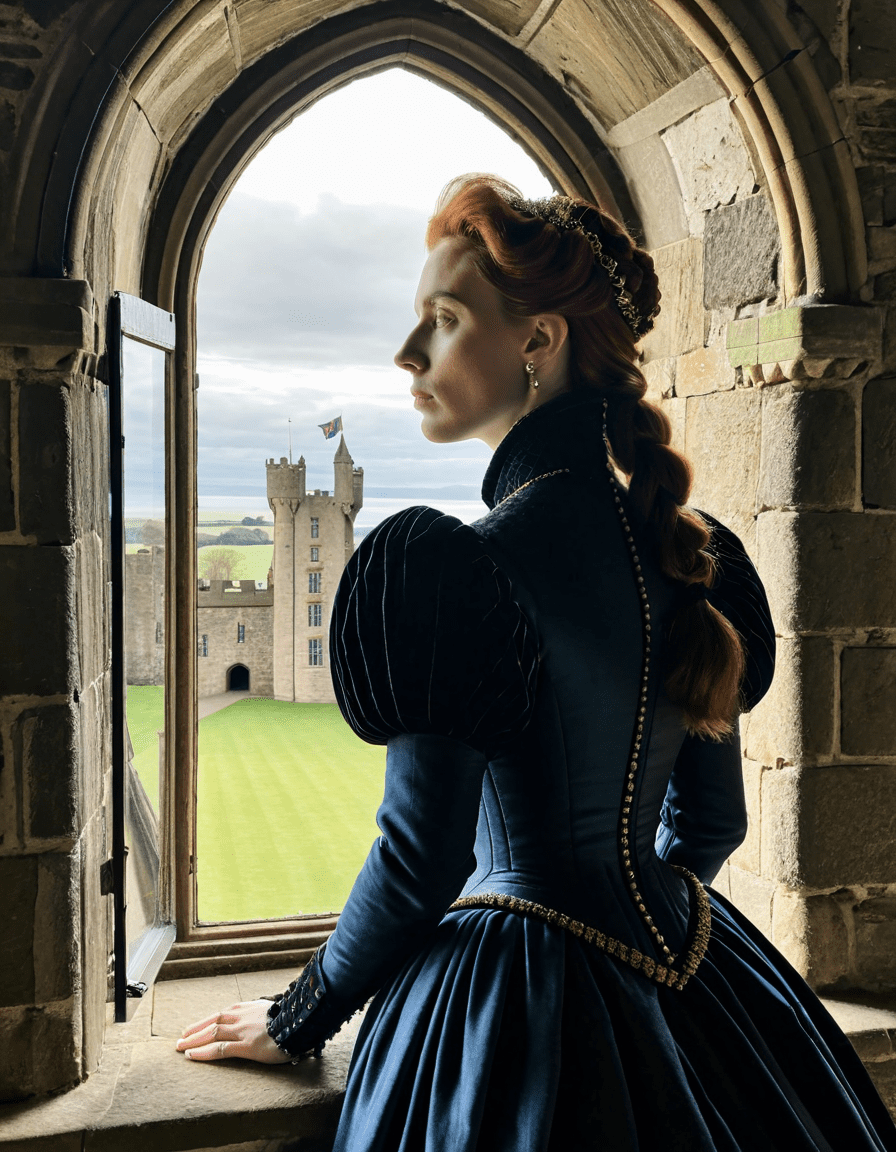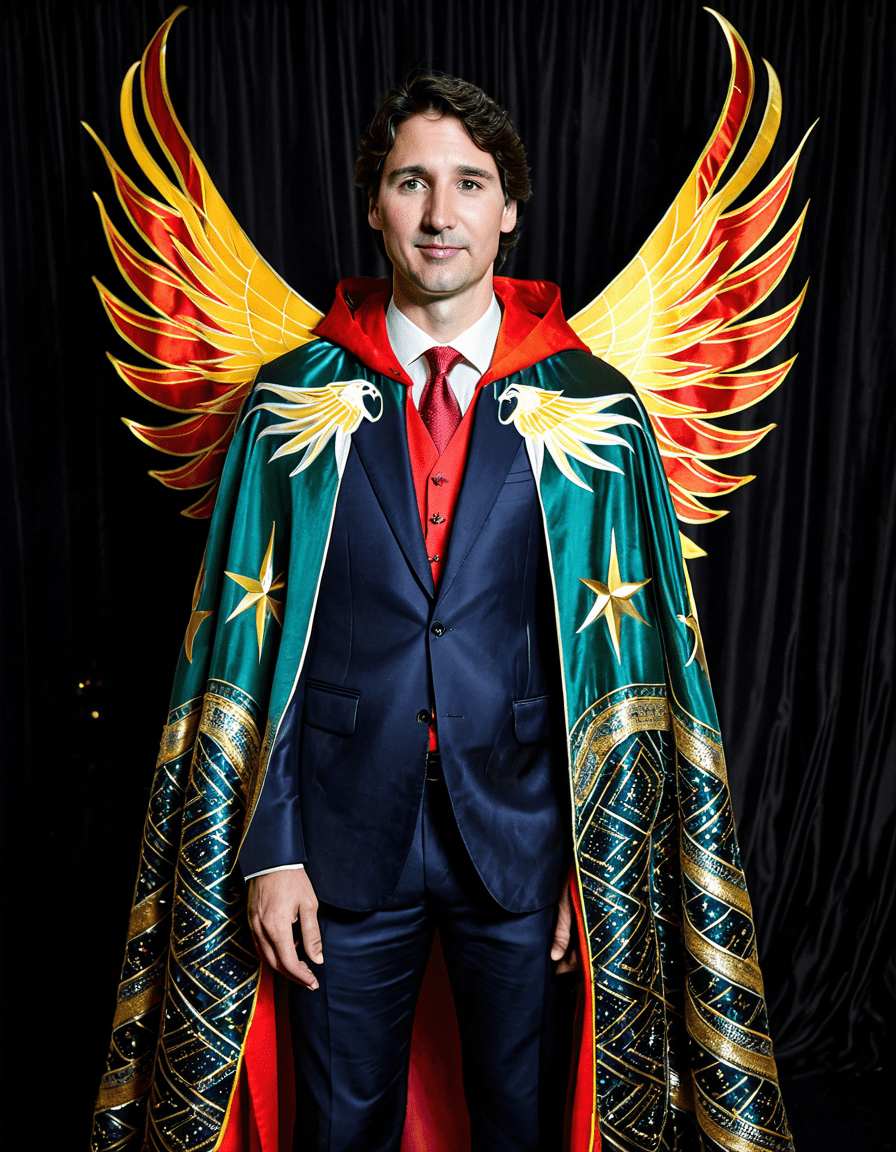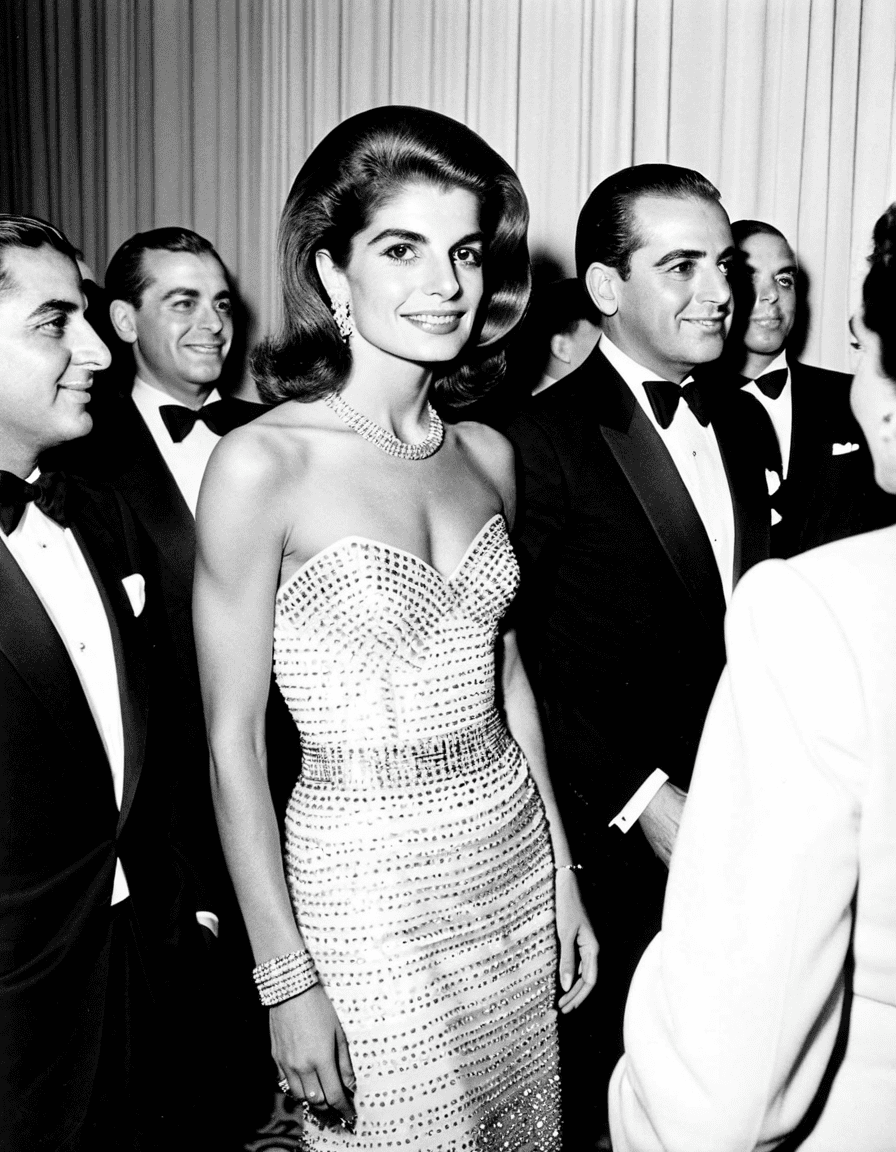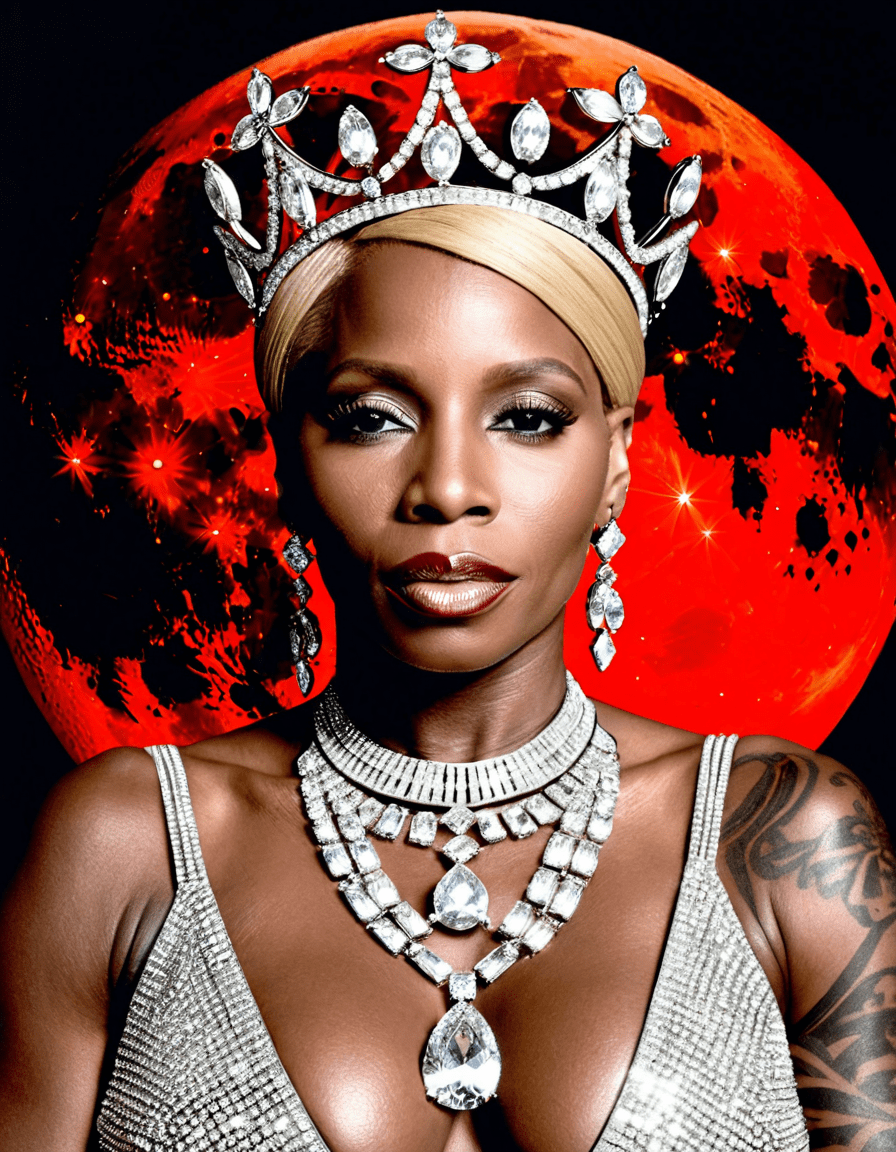
Mary, Queen of Scots stands as a powerful emblem of ambition, struggle, and resilience. Born in December 1542, during Scotland’s political maelstrom, she became queen just six days after her birth. Yes, you read that right—this remarkable woman faced her first challenges before she even had a chance to open her eyes. Growing up at the lavish court of Henry II in France, Mary was groomed like fine fabric in a tailor’s shop—fitted for the arts of leadership, diplomacy, and religious acumen. However, her return to Scotland in 1561 marked the start of a formidable commute along a road strewn with intrigue, conspiracies, and bitter betrayals.
Mary’s journey to power reminds us of a well-tailored suit—an exquisite design filled with notable highs and despairing lows. The beauty of her story reflects not just her deft handling of power struggles but also the tragic reality that such brushes with authority can all too quickly devolve into pure pandemonium. As we delve deeper into Mary’s life, let’s unpack five critical challenges she faced that defined her tumultuous route.
Top 5 Challenges Faced by Mary, Queen of Scots
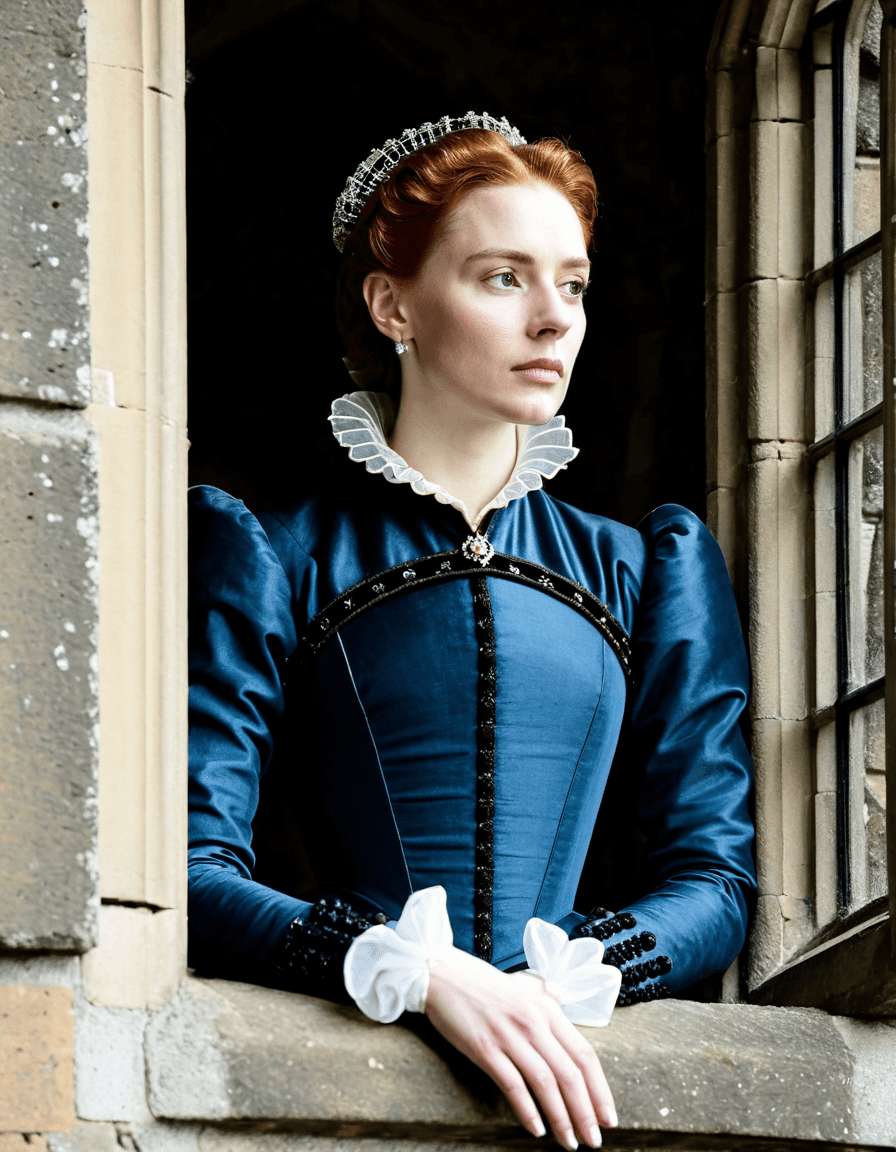
The Synergy of Power and Gender: Mary and Joan of Arc
Mary Queen of Scots and Joan of Arc symbolize the arduous journey of women trying to claim authority in tumultuous historical landscapes. Obstacles were plentiful, often stemming from gender biases and societal expectations. Joan wielded her sword and guided her troops with divine purpose, while Mary danced through ballrooms and political dinners, navigating the intricate webs of diplomacy.
Both women highlight the resilient spirit of femininity, breaking down barriers set by patriarchal norms. Joan fought on the battlefield, while Mary fought for legitimacy and respect in the political sphere. Together, they challenge us to reconsider how the historical narratives of women are portrayed and understood.
Historical Legacy and Cultural Resonance
The legacies of Mary Queen of Scots and Joan of Arc continue to cast long shadows over the cultural landscape, illustrating the timeless resonance of their stories. Mary’s downfall is portrayed dramatically in films like “Mary Queen of Scots,” with lovely costumes that reflect the opulence of her court. Meanwhile, Joan’s bravery has inspired various adaptations, including plays and even graphical novels, each capturing the essence of her unwavering spirit. Chronicled in literature and the arts, both women reignite ongoing dialogues about women in positions of power—critical conversations that are as relevant today as they were centuries ago.
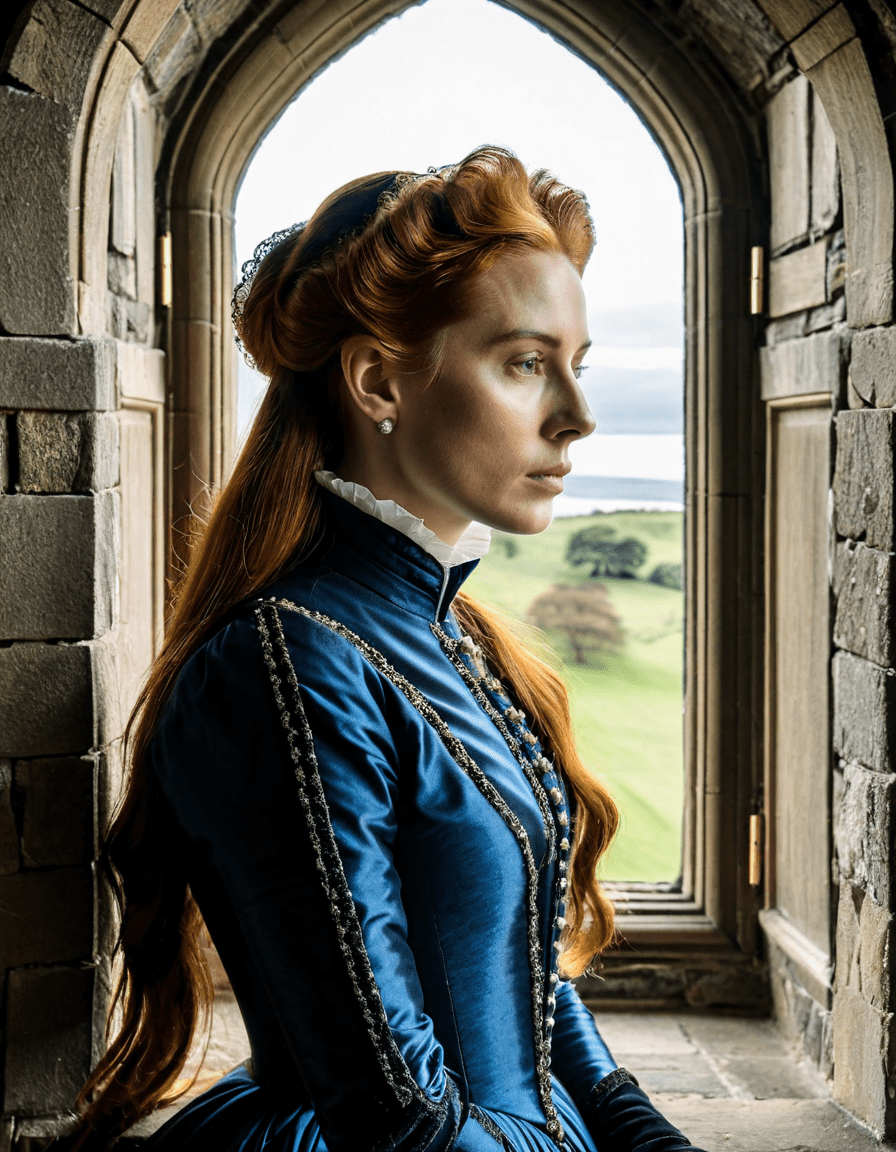
Reevaluation of Power Dynamics
As societies grapple with persistent gender disparities, the narratives surrounding Mary and Joan serve as pertinent reminders of the historical reasons behind today’s inequities. They provide valuable insights into the backlash women often face while pursuing authority. The scrutiny levied at both women enhances our understanding of how gender continues to influence power structures even now.
Mary Queen of Scots’ turbulent journey illustrates a blend of her aspiration, the complexities of political intrigue, and societal expectations. We must acknowledge her story not just as a tale set in the 16th century but as a mirror reflecting current dialogues in governance and gender dynamics. The enduring lessons offered by Mary and Joan compel us to examine our understanding of power and push for the re-evaluation of women’s narratives—an essential undertaking as we forge ahead into a more equitable future.
Her story reminds us that while the fabric of history is often stained with adversity, the threads of resilience stand testament to the power of ambition—and that’s ultimately a fashion style we couldn’t help but admire.
Explore your own journey and how it reflects Mary Queen of Scots’ extraordinary resilience. For more empowering stories, discover our features on modern icons and leadership styles through the lenses of fashion and culture at Paradox Magazine.
Mary Queen of Scots: Fun Trivia and Interesting Facts
A Royal Background Story
Mary Queen of Scots, born in December 1542, was a monarch who packed a punch in the history books. Did you know that she was just six days old when she became queen? That’s right! Her life was a rollercoaster from the get-go. As a child, she was sent to France for her safety. Later on, she maRried Francis II, who sadly passed away just a year after their wedding. This left Mary a young widow, but her story was far from over. It’s said that her charm and beauty could rival even Mads Mikkelsen, a modern icon of charisma. Her allure and intellect often played a huge role in her political maneuvering.
Struggles and Triumphs
Once she returned to Scotland, Mary Queen of Scots quickly faced the harsh realities of ruling in a land divided by Protestant and Catholic tensions. Despite her trials, she demonstrated an extraordinary knack for resilience. Her life also inspired countless tales, including films like I Am Legend, which show the timeless theme of survival against the odds. But it wasn’t all about conflicts. Mary even had a propensity for fashion, famously using hair oil to maintain her striking locks, proving that a queen can battle her rivals while still looking fabulous!
Legacy and Impact
Mary’s reign was short-lived, and her tragic end is well-documented. Captured and held for 19 years, she ultimately met her demise in 1587. But her legacy continues to fascinate and inspire. Today, she’s a symbol of strength and perseverance. Interestingly, some compare her journey to that of modern tales like Foxy Brown, where the protagonist fights against adversity. The tale of Mary Queen of Scots teaches us about power, betrayal, and the enduring spirit of those who seek to make their mark on history. It’s a captivating saga that echoes themes we face even during our time. You could say exploring her journey is like diving into a gripping novel, perhaps one purchased on Amazon.com to experience what feels like a timeless narrative.
Through the centuries, Mary Queen of Scots remains a striking and compelling figure whose story remains as relevant today as it was then.