Walt Disney, the name that dances on the tongues of dreamers and creatives alike, has left a legacy as bright and colorful as the very animation he championed. When we think of Walt Disney, we’re not just conjuring up images of enchanting castles and friendly cartoon mice; we’re delving into a universe where storytelling, imagination, and innovation create a cultural tapestry. His impact on entertainment and culture courses through generations, influencing everything from the characters we adore—like the beloved Sesame Street characters—to the immersive experiences at theme parks that let our imaginations fly. So let’s grab our dancing shoes and dive into the enchanting world of Walt Disney, exploring seven key elements that encompass his extraordinary legacy.
1. The Animation Revolution
Ah, the magic of animation! Walt Disney didn’t just dabble in animation; he transformed it into a profound art form. The release of “Snow White and the Seven Dwarfs” in 1937 marked a monumental shift, establishing animation as a powerful medium for storytelling. No longer just short skits to fill in gaps, Disney’s full-length feature brought heart, depth, and enough magic to fill the G with delighted screeches of kids and adults alike. His pioneering spirit inspired animators who followed, creating masterpieces we cherish today, like Pixar’s lush storytelling. More than just laughter and tears, Disney painted emotions on screens, opening doors for future classics that tug at our heartstrings.
But don’t be fooled; Walt wasn’t just a dreamer; he was a doer. This leap set new standards for emotional storytelling, paving the way for contemporary animations to explore complex narratives. Today, animated films are filled with characters that resonate deeply, just like those in Sesame Street, where kids learn lessons of friendship and love. The animation revolution he sparked continues to flourish, showing just how powerful a simple story can be told with a splash of creativity.
2. Theme Park Paradigm Shift
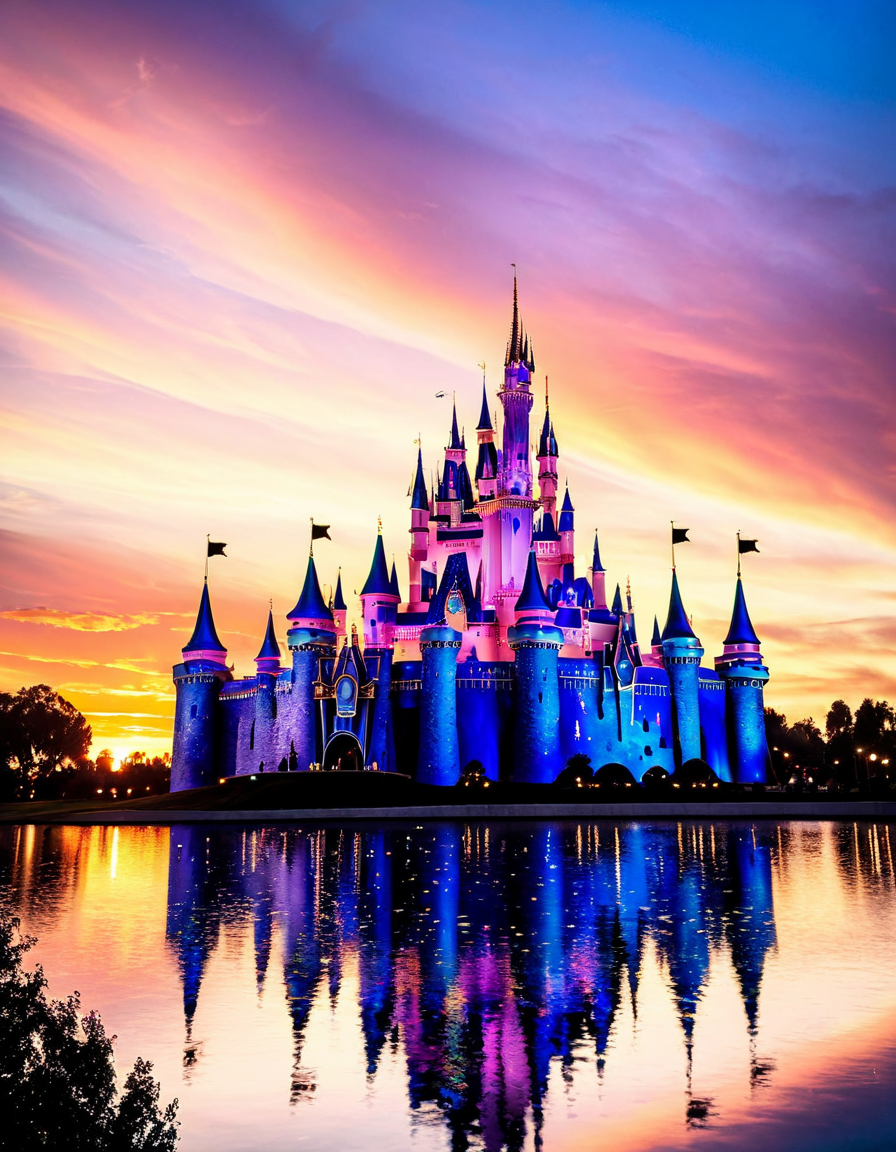
Disneyland didn’t just open its gates in 1955; it flung them wide and ushered in a brand new realm of entertainment. Walt Disney’s eye for detail transformed the idea of a theme park from mere rides to an entire experience. When families step foot in Disneyland, they’re not just there to enjoy rides; they’re plunged into another world, from the quaint charm of Main Street to the cosmic wonders of Tomorrowland. His dedication created immersive environments where storytelling and magic intertwine, sparking joy in the hearts of millions.
And let’s not forget the inspiration his park provided to people around the globe. Theme parks, like Universal Studios and Cedar Point, have taken notes from Walt’s playbook, infusing their attractions with imagination while encouraging creativity and fun. Thanks to Walt Disney, amusement parks are now vibrant, kaleidoscopic adventures where the boundaries between reality and make-believe blur.
3. Creation of Iconic Characters
Who doesn’t want to bring a little magic into their life? Walt Disney gifted the world a myriad of unforgettable characters that cemented themselves in the hearts of fans everywhere. Mickey Mouse isn’t just a character; he’s a cultural phenomenon, symbolizing the essence of childhood wonder and adventure. Disney’s approach to character development made each figure relatable, allowing audiences to connect on a personal level.
This emphasis on character is echoed sweetly within Sesame Street, cultivating beloved figures like Big Bird and Elmo, who teach lessons with love and warmth. Just as Mickey introduced joy, these furry friends guide children through the wondrous intricacies of life. It’s a beautiful cycle of inspiration that shows how imaginative characters can resonate through generations. In a world that sometimes feels sterile, Disney’s characters remind us that imagination can bring life to every corner of our daily routine.
4. Pioneering Storytelling Techniques
Walt Disney, the maestro of storytelling, penned colorful narratives tinged with humor, heart, and crucial life lessons. He wove traditional tales into accessible formats that could entertain and inform—an approach Sesame Street later embraced with gusto. Who knew that watching a friendly monster engage a toddler in a word game could become a staple for learning? This intelligent blend of entertainment and educational content is a tapestry weaved with care, ensuring audiences absorb messages without feeling lectured.
Through various mediums, Disney’s techniques evolved but remained anchored in relatable storytelling. From the charming antics of Dumbo to the heroic journeys of Cinderella, Walt’s narratives dissect the human experience, connecting the fantastical with hard-hitting realities. Today’s educational programming owes a debt to this nuanced tradition, creating active learners who embrace the joy of knowledge.
5. Integration of Technology
Now let’s get a bit techy! Walt Disney stood at the crossroads of creativity and technology—he was a pioneer! The incorporation of synchronized sound in “Steamboat Willie” was revolutionary, laying the groundwork for what we now consider a standard in animation. This bold experimentation didn’t stop at sound; it moved into impressive realms of animatronics at Disneyland, where robotic figures brought attractions to life.
Fast forward to the 21st century, where VR and AR experiences dazzle park-goers, pushing the boundaries of how we engage with entertainment. The spirit of Disney’s innovation continues to echo; similar concepts appear in Sesame Street, adapting to new media formats while ensuring engaging content is always at the forefront. As technology morphs and flourishes, Disney’s legacy reminds us of the potential that lies in creative exploration.
6. Global Cultural Influence
The impact of Walt Disney stretches far beyond the borders of America. Characters and stories resonate across the globe, creating a shared cultural experience. The Disney Princess franchise alone has captivated hearts in countries far and wide, similar to how Sesame Street has adapted its format in various cultures, ensuring that each version brings relevant educational messages to life.
This commitment to representing global cultures plays a substantial role in bridging divides. When we see characters from different backgrounds and beliefs, we cultivate a world that shows differences can unite us rather than separate us. Disney’s legacy champions inclusivity, encouraging young minds, just like Sesame Street, to celebrate diversity. It’s through these shared stories that we discover our common humanity.
7. Lasting Philanthropy and Educational Outreach
Walt Disney carved a path not only for entertainment but for educational outreach as well. His legacy includes a commitment to fostering creativity in learning, illustrated by initiatives like the Disney Conservation Fund, which demonstrates his ethos of giving back. Just like the kind-hearted spirits behind Sesame Street, Walt understood the importance of creativity and education in shaping future generations.
This commitment lives on through partnerships in educational programs, igniting inspiration in young thinkers. He not only entertained but paved avenues for exploration and discovery. Disney’s philanthropic endeavors instill a culture of giving back, emphasizing the importance of nurturing creativity, a legacy that continues to inspire individuals and organizations worldwide.
Embracing the Future While Honoring the Past
The legacy of Walt Disney isn’t stuck in yesteryear; it continues to shape contemporary culture, education, and entertainment. His visionary insights remind us that creativity, when intertwined with social responsibility and innovation, can affect generations to come. The evolution of children’s programs, influenced by the likes of Sesame Street, is proof that Disney’s ethics of imagination are enduring—pushing future talents to dream beyond life’s surface.
So as we revel in the vibrant worlds Disney cultivated, let’s carry forward the lessons in creativity and compassion, celebrating the joy and wonder of our shared human experience. After all, the spirit of Walt Disney teaches us that when we dream, we can craft a brighter, more imaginative future. Keep dreaming, keep exploring, and let the magic live on!
Walt Disney: A Creative Visionary’s Impactful Legacy
A Dreamer’s Beginnings
Walt Disney’s journey kicked off in Chicago in 1901, where he first ignited his passion for storytelling through art. He doodled, drew, and animated, often exploring local parks and soaking up inspiration. Did you know that Disney originally worked at a commercial art studio before launching his career? It’s true! This knack for creativity set the stage for his future creations, including beloved stories like Anne Of Green Gables, which, while not directly his work, reflects the timeless tales he cherished. Walt’s creativity echoed through many art forms, much like the catchy Ice Spice Lyrics that capture culture today, signaling a transformation in storytelling.
The Birth of an Empire
Walt Disney’s whimsical imagination birthed timeless classics such as Mickey Mouse, a character introduced to the world in 1928 with “Steamboat Willie.” This lovable mouse was revolutionary, marking the dawn of synchronized sound in animation. Walt’s innovations did not stop there; he ventured into theme parks, leading to the creation of Disneyland in 1955, a magical space that brought joy to millions. Today, people flock to these parks, just as sports fans would shop for indoor soccer shoes ahead of an exciting match, each looking for something that ignites joy and wonder.
Disney’s Cultural Impact
Walt Disney’s influence stretches far and wide. His storytelling has reshaped family entertainment and paved the way for other creators, such as those who brought characters to life in series like Luke Cage. Not only did he inspire generations, but he also opened doors for new artistic expressions, which still resonate today. Think about how young Julia robertss charm on-screen is reminiscent of Disney’s enchanting characters—both capture hearts in their own special ways. What’s even more fascinating is how Disney’s legacy continues to evolve, including through collaborations, like the stylish Apple Watch nike Straps that blend utility with innovation, mirroring Disney’s knack for merging creativity with technology.
Walt Disney remains a beacon of inspiration, proving that one man’s dreams can bubble up into an enduring legacy that sparks happiness for many. Whether you’re in line for a ride, belting out a favorite tune, or embracing a new trend, his spirit lives on.
What were Walt Disney’s final words?
Walt Disney’s final words were reportedly “Kurt Russell.” He had just seen the young actor, who was an up-and-coming star at the time, and whispered his name as he passed away.
What are 5 facts about Walt Disney?
Walt Disney was born on December 5, 1901, he co-created Mickey Mouse in 1928, and he opened Disneyland in 1955. Disney received 22 Academy Awards throughout his career, more than anyone else in history. He was a pioneer in animation, using techniques that revolutionized the industry, and he was also fond of incorporating music into his films.
Who took over when Walt Disney died?
When Walt Disney died in 1966, his brother Roy O. Disney took over the management of the Walt Disney Company. Roy had been involved with the business since the beginning and helped to steer the company after Walt’s passing.
Was Walt Disney worth when he died?
At the time of his death, Walt Disney’s net worth was estimated to be around $5 million, which is roughly equivalent to over $40 million today, taking inflation into account.
What are the most famous last words ever?
Some of the most famous last words spoken include “Et tu, Brute?” by Julius Caesar and “I love you” by many notable figures, highlighting love as a powerful sentiment in their final moments.
What was Walt Disney’s favorite song?
Walt Disney’s favorite song was “Feed the Birds” from Mary Poppins, and he appreciated its simple, heartfelt message.
What does 28 mean to Mickey Mouse?
The number 28 holds a special significance for Mickey Mouse, as it’s a nod to his debut in the short film “Plane Crazy,” which was released in 1928.
What is on Walt Disney’s grave?
Walt Disney’s grave is marked by a simple headstone bearing his name and the date of his death, with an image of a small, intricate carving of Mickey Mouse.
What was Walt Disney’s favorite movie he made?
Walt Disney’s favorite movie that he created was often said to be “Snow White and the Seven Dwarfs,” as it was the first-ever full-length animated feature and a significant milestone for his company.
What is the 3/2/1 rule at Disney?
The 3/2/1 rule at Disney emphasizes a guest experience approach: three positive experiences for every two negative ones, ensuring a balance that keeps guests satisfied.
Does Disney own Walmart?
Disney does not own Walmart; they are separate companies, each with their own distinct business operations and ownership structures.
Has Disney been losing money?
Yes, Disney has faced some financial struggles recently, particularly due to the pandemic’s impact on theaters and parks, leading to significant changes and cost-cutting measures.
Who is richer, Disney or Apple?
When it comes to wealth, Apple is considerably richer than Disney, consistently ranking as one of the most valuable companies in the world compared to Disney’s value.
Was Walt Disney a good person?
Walt Disney is often remembered as a good person who had a significant impact on entertainment and culture, though like anyone, he had both strengths and flaws.
How rich is Mickey Mouse?
Mickey Mouse is a fictional character, not a real person with net worth, but he’s considered invaluable to Disney’s brand, representing huge financial success for the company.
What are 10 interesting facts about Disney?
Some interesting facts about Disney include that it was the first company to earn a billion dollars from a single movie, and it made history with the first-ever synchronized sound cartoon, Wheels in a Diner.
What are 5 fun random facts?
Five fun random facts could include that Disney’s castle was inspired by Neuschwanstein Castle in Germany, the company originally planned to create a city called EPCOT, and many Disney movies contain hidden “Easter eggs” connecting them to each other.
What are the 5 key basics of Disney?
The five key basics of Disney’s operations lie in storytelling, innovation, quality, guest experience, and community involvement, all aimed at creating joy for families worldwide.
What was Walt Disney’s favorite color?
Walt Disney’s favorite color was reportedly blue, which he felt represented tranquility and peace.
What did Walt Disney’s death Note say?
Walt Disney’s death note was a simple farewell message that expressed hope for continuing the mission of creativity and imagination he had established throughout his life.
What was Walt Disney’s last project before he died?
Disney’s last project before he died was “The Jungle Book,” which was in production at the time and was released posthumously in 1967.
What does CIA Mobley mean?
The term “CIA Mobley” refers to a conspiracy theory or rumor that suggests that there’s a connection between the CIA and Walt Disney’s activities, but it lacks credible evidence.
What did Walt Disney always say?
Walt Disney often expressed his belief that “It’s kind of fun to do the impossible,” encouraging creativity and perseverance, which became a guiding principle for his work.