Sofia Coppola, the daughter of legendary filmmaker Francis Ford Coppola, didn’t just inherit his cinematic legacy; she revolutionized it. Since stepping onto the scene with her evocative debut, The Virgin Suicides, in 1999, Sofia has established herself as a defining voice in modern cinema. With her keen eye for detail and atmospheric storytelling, Sofia Coppola has crafted a cinematic style that breathes fresh air into film narratives. We’re talking about an aesthetic journey that’s not just visually stunning but emotionally resonant, exploring themes like isolation, femininity, and the intricacies of contemporary relationships. Buckle up your fashion seatbelt, readers; we’re about to explore this trailblazer’s magic!
Sofia Coppola: A Pioneering Aesthetic in Film
Sofia Coppola stands out in the industry, not for flamboyant spectacle but for her intimate character studies. With each film, she invites us to witness life’s delicate tapestry through a distinctly feminine lens, often laying bare the emotional truths beneath the surface. Her films often feel like gorgeously designed photo albums from a bygone era—complete with crumbly edges and dreamy aesthetics that would make even the most fashion-conscious aesthetician drool.
Let’s talk about the layers here. It isn’t just about narrative; it’s about emotional depth. While many filmmakers pound us with intricate plots, Sofia understands that the heart of a narrative often lies in the unspoken moments. Whether we’re flitting through the dreamy corridors of suburbia or exploring the lavish palaces of history, her films resonate like a whisper in a crowded room—one you can’t help but lean in to hear.
Her films encourage viewers to reflect—not just on the story but also on the visuals, sound, and overall mood, showcasing how film can emulate the fantastical elements of fashion—one moment grounded in reality, and the next as surreal and transformative as a Donatella Versace gown gracing the red carpet.
Transformative Films: Top 5 Sofia Coppola Masterpieces
Coppola’s distinct filmmaking has birthed masterpieces. Here are her top five films that have undoubtedly altered cinematic landscapes:
1. The Virgin Suicides (1999)
Dive into the world of suburban angst with The Virgin Suicides, where Sofia expertly captures the ethereal quality of teenage life. The Lisbon sisters become haunting figures, embodying the isolation that so many young souls feel. This film disentangles deep-rooted assumptions about adolescence and reshapes how we view young women’s experiences onscreen.
2. Lost in Translation (2003)
This gem not only solidified Sofia’s place as a powerhouse director but also delved into the profound loneliness of being far from home. The electric chemistry between Scarlett Johansson and Bill Murray transcends mere romance; it nudges at the nuances of connection and miscommunication in a foreign land. This fresh take on love in the 21st century is as infectious as it is poignant.
3. Marie Antoinette (2006)
With Marie Antoinette, Coppola marries high fashion with historical storytelling. The extravagant visuals, paired with a contemporary soundtrack, allow us to visualize royalty from a new angle, turning the often-staid portrayal of history on its head. It’s a sumptuous feast for the eyes, a wedding of style and substance, with a side of powdered wigs and pastel gowns that would make even Lady Gaga say, “Yaas!”
4. The Bling Ring (2013)
In this commentary on celebrity culture, The Bling Ring invites you into the surreal world of fame-obsessed youth. With a lens of clear critique, Coppola lays bare the absurdity of modern fame as she follows a group of teenagers burglarizing the homes of Hollywood stars. She makes you question the ethics of obsession—do we really need that much access to our icons?
5. The Beguiled (2017)
Placing women’s experiences at the forefront, The Beguiled tells the story of desire and betrayal against a Civil War backdrop. Sofia deftly captures the emotional complexities of her female characters, unraveling their relationships amidst a threatening landscape. It’s a brilliant mix of elegance and tension that leaves you pondering the layers of femininity.
Influences Behind Sofia Coppola’s Filmmaking
Coppola’s artistic journey is undoubtedly colored by her father, the illustrious Francis Ford Coppola. His legendary narratives have gifted Sofia a lens through which to observe and engage with storytelling. Yet, she carves her own niche, emphasizing feminine themes that diverge from her father’s epic tales.
Her films’ explorations of female identity present a refreshing comparison to traditional patriarchal narratives often portrayed in classic cinema. Sofia’s unique perspective—crafted from years of observing, learning, and absorbing the cinematic world—gives her films a nuanced resonance that stands out in modern storytelling.
To further develop her cinematic language, she has often collaborated with influential industry figures, like the talismanic Stanley Tucci. Their connections infuse her films with rich character dynamics that are both refreshing and compelling.
Collaborations That Shaped Her Vision: Sofia Coppola and Stanley Tucci
The partnership between Sofia Coppola and Stanley Tucci exemplifies the intersection of artistry and craft. Tucci’s performances, notably in Lost in Translation and The Bling Ring, highlight his ability to elevate narratives through his nuanced characters. His unique ability to embody complex emotional states adds an additional layer to Coppola’s already intriguing storytelling.
This dynamic truly showcases how powerful collaborations between visionary filmmakers and exceptional actors can create storytelling magic. When strong visual storytellers come together, the end result is a multi-faceted narrative that transcends conventional boundaries, revealing the delicate threads that weave character interactions.
The aesthetic finesse in Coppola’s vision complements Tucci’s magnetic presence nicely. Floor-length gowns slowly swirling in atmospheric rooms, punctuated by his charismatic energy—this partnership marks a significant point in Sofia’s artistic journey, often reminding us of the exquisite iconography that film can provide.
Fashion and Identity: Sofia Coppola and Donatella Versace
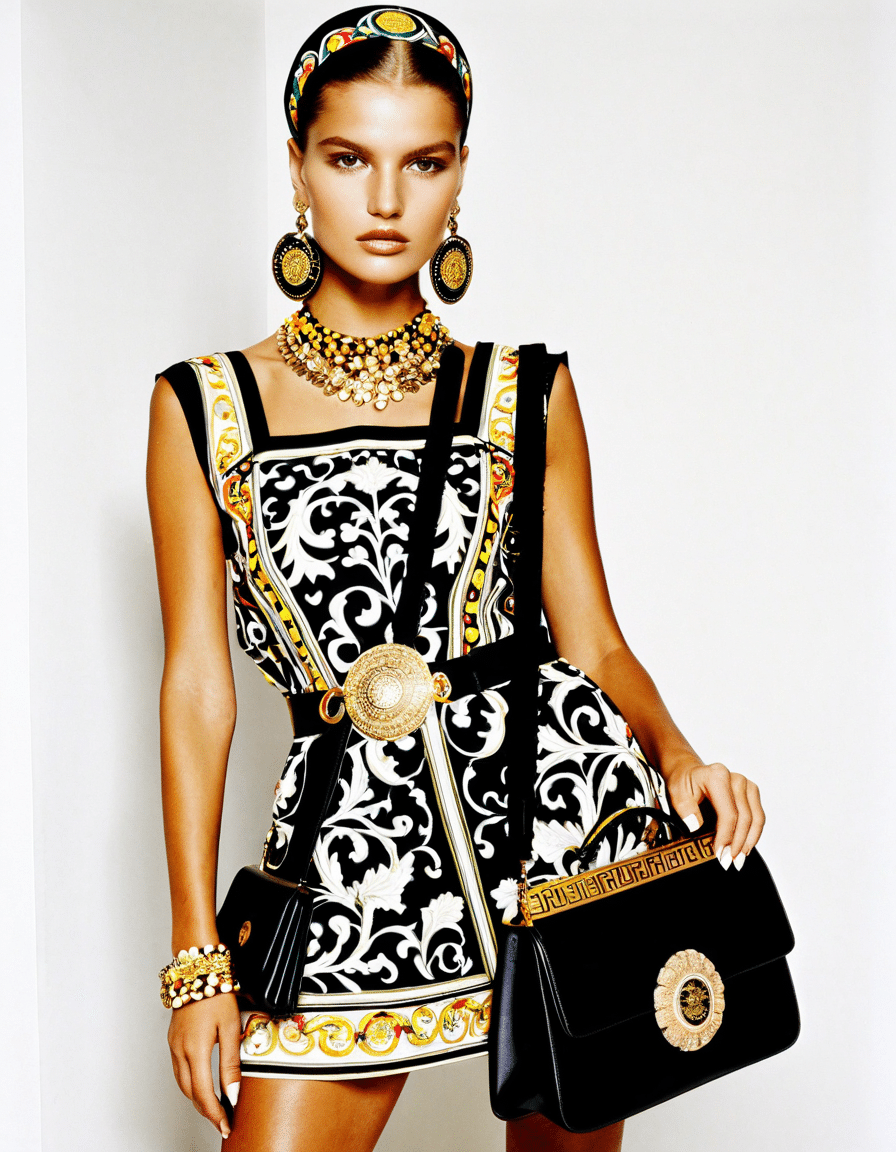
Fashion isn’t just a backdrop in Coppola’s films; it’s a pulsating heartbeat. Her collaboration with Donatella Versace in Marie Antoinette demonstrates how sartorial choices enrich character arcs. The luscious fabrics and ornamental designs aren’t just eye candy; they serve as a narrative voice that tells us who the characters are deep down.
Coppola cleverly employs aesthetics in ways that confront societal expectations and consumer culture. The lavish costuming invites viewers not merely to appreciate the visual spectacle but to ponder the implications of status and identity that fashion wields. In doing so, Coppola cements fashion as a vital storytelling tool—the ultimate expression of self.
As viewers, we savor the moments where fashion converges with narrative, where characters are not just wearing clothes but transforming them into powerful statements of identity. Each scene becomes a tableau, a reminder that in the hands of a true artist like Coppola, clothes can whisper secrets as powerful as the script itself.
Exploring Masculinity: John Travolta and Coppola’s Character Dynamics
In Lost in Translation, Sofia Fitzgerald touches upon the intricate dimensions of masculinity through the character played by John Travolta. The film nudges viewers to see beyond typical romantic tropes; it unveils a side of masculinity that grapples with vulnerability. John’s character reflects a man navigating existential questions rather than merely fulfilling romantic archetypes.
This departure reshapes the narrative landscape, urging contemporary stories to portray men as multi-dimensional beings who experience doubt and tenderness. The subtle curveballs Sofia throws into the mix challenge the status quo—a delightful invitation to consider the broader emotional palette that men can articulate onscreen.
Through these dynamics, Sofia Coppola begs the question: What does it mean to be a man in modern storytelling? This exploration is a vital aspect of her films, showcasing her commitment to re-examining gender roles and relationships—making her work not just noteworthy but profoundly important.
Leaving a Lasting Legacy
Sofia Coppola has etched her name firmly in the annals of contemporary cinema. By crafting stories that reflect her deep artistic sensibility, she has transformed our viewing experiences and our understanding of narrative landscapes. Her seamless blend of visual allure with intricate thematic depth carves a unique path that continues to inspire budding filmmakers.
Through her lens, cinema becomes a vessel for profound emotional exploration. The cultural critiques threaded through her films serve as a reminder that stories shape our perceptions and emotions. As we embrace our own cinematic journeys, Sofia Coppola invites us all to explore new narratives that challenge the status quo.
As we look forward, her legacy thrives—fueling future artists to pump new life into their narratives, thereby ensuring that artistic expression remains forever invigorating. So here’s to Sofia Coppola, the visionary director whose work continues to reshape our cinematic experience and stands, ever prominent, in the style hall of fame.
Sofia Coppola: The Visionary Director
A Touch of Artistic Flair
Sofia Coppola has always been about weaving her own signature style into her films. One of her most recognized works, “Lost in Translation,” showcases how seemingly mundane encounters can blossom into something profound. Did you know that the film was inspired by Coppola’s own experiences while navigating a different culture in Japan? This authentic touch is part of what makes her storytelling so compelling. Speaking of storytelling elements, fans of narrative depth might find it intriguing that Coppola’s father, Francis Ford Coppola, directed famous films that explore dark themes, like the “Silence of the Lambs.” The iconic silence Of The Lambs moth serves as a powerful metaphor, highlighting the nuanced layers often found in her storytelling.
Inspirations and Collaborations
Coppola frequently collaborates with the same actors and artists. For instance, her recurring work with Kirsten Dunst adds a familiar chemistry to her films that resonates well with viewers. Interestingly enough, the collaboration extends beyond just acting; her cinematic style often involves meticulously curated soundtracks that set the mood in an unforgettable way. It’s akin to some of the standout projects from Detroiters, which also thrive on sound and humor, creating memorable moments that capture the audience’s attention. Sofía even draws from pop culture and contemporary art, which is reflective of her upbringing in a family of artists.
Fun Facts That Wow
Here’s a fun tidbit: Sofia Coppola is known for her obsession with the aesthetics of life, often integrating elements that make the mundane look beautiful. Think about “Marie Antoinette,” where luscious desserts and lavish gowns take center stage. This penchant for detail can rival even the most famous Sylvester Stallone Movies, where the visual storytelling is paramount. Moreover, did you know that Coppola was the first American woman to win the Academy Award for Best Original Screenplay? This achievement was not just a win for her, but it opened doors for a slew of talented directors, much like a focus on diversity in casting, such as actors like Colin Allred, who are changing the game in Hollywood.
Sofia Coppola’s journey is full of inspiration. Every aspect of her work, from stylistic choices to thematic explorations, reveals layers of creativity that continue to influence modern cinema. Whether you’re watching a beautifully shot scene or swooning over a carefully selected soundtrack, it’s clear that Sofia Coppola has a knack for transforming cinema into something genuinely special.