
The Untamed Legacy of Unforgiven’s Antihero
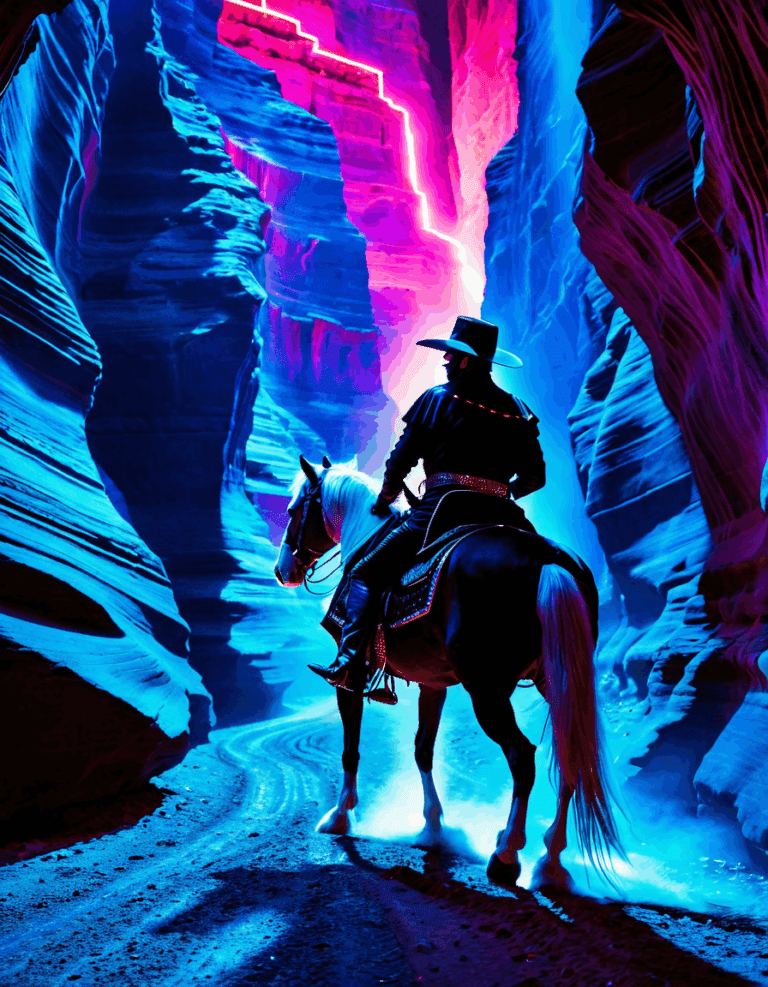
Let’s talk about an antihero that gets under your skin in all the right—and wrong—ways. William Munny from Clint Eastwood’s 1992 masterpiece Unforgiven truly redefines the term. You might be picturing a typical cowboy; boots dusted with dirt and a gun slung low. But peel that extravagant facade back, and you’ll discover a character embedded in emotional depth and moral ambiguity that reflects our own untamed selves. Munny’s narrative compels us to confront the unforgiven aspects of our existence, engaging us in a dialogue that is both disconcerting and enthralling.
What makes Munny resonate so powerfully is his haunting past. This isn’t just any outlaw tale; it’s about a man retreating from the cruelty he once represented. He’s no little goody two shoes; he’s a deeply flawed figure struggling with unresolved guilt and the shadow of his former self. His return to violence isn’t merely a plot twist; it’s a critical commentary on redemption and identity, forcing viewers to confront their own complexities. Every sinner has a past, and the stakes feel unspeakably high when that past catches up to them.
And trust me, there’s a lot more than just grit in this narrative. Unforgiven invites you to question your own perceptions of justice, blurring the lines that divide right from wrong. His journey serves as a reminder that underneath the scars of a rough life, many of us wrestle with moral questions that lack a clear right answer. As society gravitates towards black-and-white narratives, characters like Munny remind us of the messiness of human nature and the ambiguities that accompany forgiveness.

Top 5 Unspeakable Traits that Define Unforgiven’s Antihero
Like a specter, Munny’s past follows him, dragging its dark baggage into the light. His lifelong regrets are unearthed, revealing crucial motivations that shape his inevitable actions. Throughout the film, every haunting flashback serves as a moody brushstroke painting the meticulously crafted darkness of his story.
Who says you need a neatly wrapped moral compass? Munny understands better than anyone that ethics can be murky. Each choice he makes pushes viewers to examine their own beliefs about justice, leaving them grappling with the uncomfortable truths that echo throughout our lives. In a world craving black-and-white narratives, Munny stands out as a reminder that life is often painted in shades of grey.
The film doesn’t shy away from showing the real cost of violence. Munny dives headlong into his own making, revealing not only physical scars but emotional wounds that can’t heal. The brutality depicted stirs an unsettling recognition of how society often elevates violence to an almost romantic notion, a concept that unfurls itself with chilling accuracy.
Beneath that harsh exterior, Munny is still very much a man battling untold sorrow. His vulnerability as a widowed father adds depth to his character, intertwining themes of familial bonds and heartbreak. This emotional realness creates an instant connection, compelling the audience to see beyond the gunfights and bloodshed, engaging them in a deeper sense of empathy.
Munny’s evolution—transcending from pacifism back to vengeance—can all be traced back to trauma. The loss of his partner, Ned, acts as the catalyst sparking a return to his violent roots. This raw exploration of grief leads to a pertinent conversation about how loss can trigger uncharted responses, revealing the untamed nature that lurks in all of us.
The Unforgiven Antihero in Popular Culture
Fast forward to today, and you’ll find echoes of Munny in characters like Walter White from Breaking Bad. Both begin as relatable individuals slowly morphing into figures of tragedy and moral decay. Walter’s descent into drug lordhood serves as a modern reflection of Munny’s fight between good and evil. The things these characters do may seem starkly different, but they confront similar dilemmas that speak volumes about human nature.
We also see traits reminiscent of the Unforgiven legend in Tony Soprano, the mob boss who effortlessly maneuvers between love and violence. In The Sopranos, like in Unforgiven, the antihero grapples with the psychological toll of straddling conflicting identities. Such characters serve as mirrors reflecting our insecurities, forcing us to consider uncomfortable truths about society’s structure and definitions of justice—echoing the heart of Unforgiven.
The mesmerizing allure of these antiheroes—and yes, they are undeniably mesmerizing—demonstrates our longing for nuanced narratives. In a culture that revels in black-and-white figures, we find ourselves irresistibly drawn back to stories steeped in moral ambiguity and raw emotion. Today’s media thrives on exploration of these unspeakable elements, inviting us to reconsider how we view not only the fictional world but also our own experiences.
The Unforgiven Influence: Shaping Future Narratives
The impact of Unforgiven transcends its cinematic boundaries. The shades of Munny’s character have rippled through literature, theater, and even fashion, reminding creators that authentic narratives still hold power. Here, themes of trauma, retribution, and the search for justice become fertile ground for discourse around contemporary issues like inequality and societal healing. The evolving dialogue invites future storytellers to dip into the complicated well of humanity in a bid to reveal its multifaceted nature.
OP-eds and essays are cropping up, dissecting this transformation of antiheros, and it’s not limited to just films. The surge of complex characters calls for an ongoing examination of what ‘unforgiven’ means in our time. As we maneuver through today’s increasingly multifaceted societal roles, it’s crucial to acknowledge that Munny’s journey is emblematic of our broader challenges in seeking forgiveness and reconciling our mistakes.
Reflecting on the Unforgiven Journey
As we ponder William Munny’s arduous path, it’s clear that every hero (or antihero) embodies a unique blend of vulnerability and strength. They remind us that the line separating hero from villain is tenuous. Society’s ultimate unforgiven moments urge us to look inwards and to question our own humanity. Characters like Munny enlighten, honoring our contrasting truths and teaching us about the richness of human emotion amidst chaos.
In essence, the grit of Unforgiven resonates far beyond its cinematic confines. It serves as a powerful reminder that untamed human experiences define our lives, leading us toward a more profound understanding of forgiveness, empathy, and redemption. So, as we reflect on this antihero’s journey—one marked by violence, trauma, and emotional complexity—let’s embrace the unforgiven parts of ourselves. After all, they comprise the essence of our being. Through this dance of light and shadow, we all have room to grow, challenge ourselves, and, perhaps, find our way back to our humanity.
Unforgiven: The Gritty Truth Behind a Legendary Antihero
The Origins of Unforgiven
Did you know that Unforgiven has its roots tied deeply to the classic Westerns of the past? Clint Eastwood, who directs and stars in this iconic film, aimed to deconstruct the myth of the cowboy hero—wrestling with ideas of punishment and redemption in a brutal world. Rather than glorifying violence, this film dives into the stark realities of life as a gunslinger. This intentional shift was reminiscent of how directors like Martin Scorsese reshaped crime narratives, much like what we see in Knives Out 2 with its intricate storytelling.
Behind the Scenes: A Star-Studded Cast
The cast of Unforgiven boasts some serious talent, including actors like Gene Hackman, whose versatile performances have drawn comparisons to musicians like Eddie Van Halen when it comes to skill and memorability. Each actor brought their own flair to the characters, creating a tapestry of tension and conflict that grips viewers. It’s fascinating to think that, in addition to their dramatic roles, these actors could just as easily shine in an animated film like The Secret Life of Pets, showcasing their diverse abilities.
Cultural Impact and Legacy
With its critical acclaim, Unforgiven paved the way for a new style of storytelling in the Western genre, influencing filmmakers worldwide. It raised profound questions about morality, vengeance, and the cost of violence—a theme that resonates today as powerfully as in the film’s release year. Speaking of powerful narratives, this exploration of deep themes has parallels with the clever twists found in The Circle, reminding audiences of the profound implications of one’s choices. Not to mention, Clint Eastwood’s portrayal of a broken hero raises compelling comparisons to the characters many creators tackle today, like those seen in the cinematic universe of Men in Black.
In short, Unforgiven isn’t just a film; it’s a pivotal moment in cinema history that stirred conversations about justice and humanity, echoing sentiments felt by artists like Chance the Rapper in his thought-provoking lyrics. As we reflect on these connections, it’s clear that Unforgiven opened the door for many modern tales, proving that stories with grit and depth never fade—they only continue to reinvent and inspire.