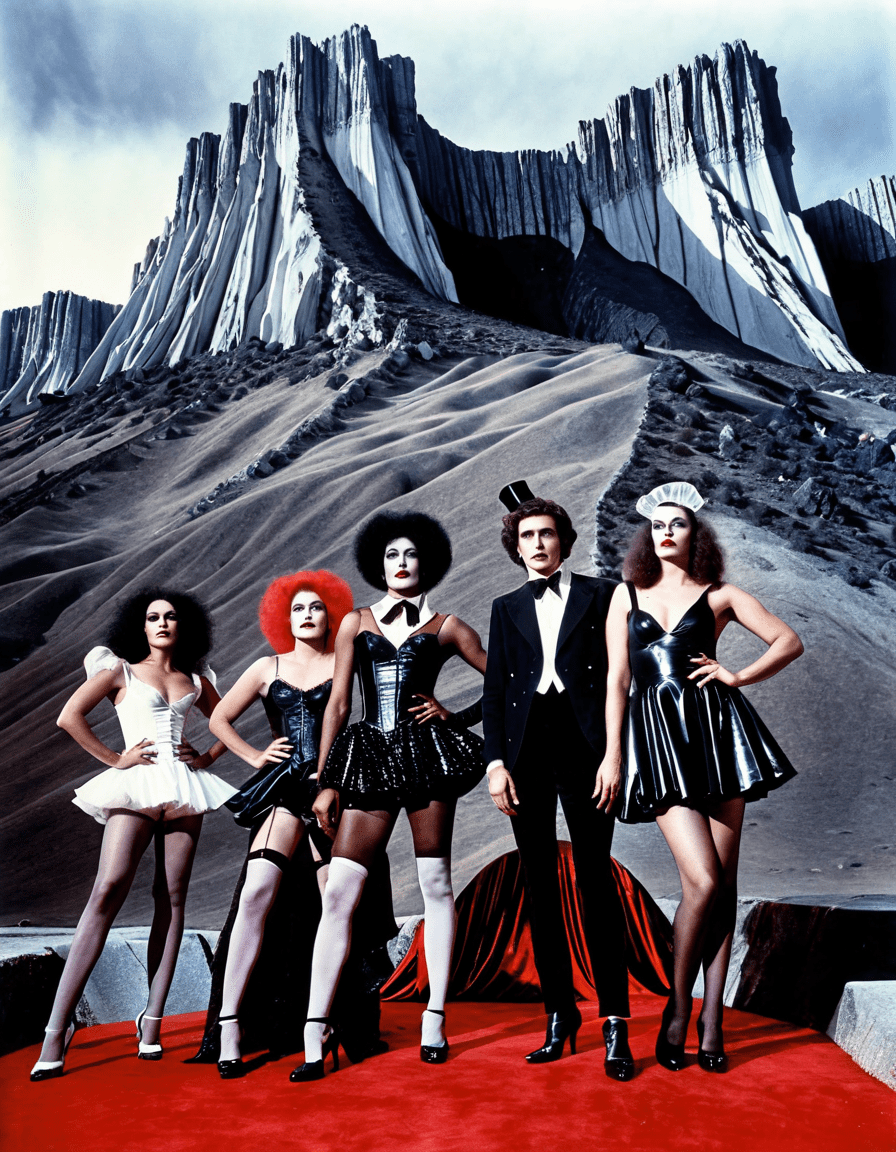
The Rocky Horror Picture Show has etched its name into cinematic history, evolving from its modest debut in 1975 to a cultural phenomenon that resonates globally. This film, with its delightful blend of camp, horror, and musical elements, stands as a testament to self-expression and the celebration of sexuality. Nearly fifty years after its release, the Rocky Horror Picture Show continues to captivate audiences, sparking inspiration across films and art forms.
Indeed, its impact stretches beyond mere entertainment; it has become a social movement—a gloriously flamboyant declaration of love for individuality and eccentricity. Whether you’re donning your best Frank-N-Furter costume or just belting out “Time Warp” at a midnight showing, there’s something about the Rocky Horror Picture Show that breathes life into the mundane and invites each viewer to bask in the spotlight of self-acceptance. And darling, that’s precisely what the world needs now more than ever!
7 Reasons Why The Rocky Horror Picture Show Remains Timeless
The Rocky Horror Picture Show boldly showcases fluid sexualities and identities—a groundbreaking feat for its time when such representations were nearly unheard of. Characters like Frank-N-Furter challenged gender norms, providing a platform that has influenced modern cultural icons such as Billy Porter and the RuPaul’s Drag Race franchise. This legacy encourages inclusive narratives in film and television, pushing boundaries far and wide.
One of the most distinctive aspects of the Rocky Horror Picture Show is its passionate live audiences. Interactive screenings have transformed the movie into a collective experience where fans embody the roles, often dressing up and participating fully. Much like the spirited gatherings around The Room, the midnight screenings offer an electrifying atmosphere where viewers lose themselves in the magic of the narrative. This interaction keeps the film’s spirit alive and well, making it both relatable and refreshing.
The film’s catchy soundtrack, composed by Richard O’Brien, features memorable hits like “Time Warp” and “Sweet Transvestite.” These numbers have transcended the screen, becoming essentials in musical theater and popular culture. The influence of Rocky Horror can be felt in the performances of contemporary artists like Lady Gaga and in blockbusters like Wicked, showcasing how daring artistry can inspire future generations.
The Rocky Horror Picture Show has sparked countless references in various media, demonstrating its vast cultural impact. Iconic lines and imagery appear in works ranging from Buffy the Vampire Slayer—notably, the beloved musical episode “Once More, with Feeling” celebrating campy horror—to parody flicks like Scary Movie 2. Such intertextuality proves how ingrained this film is within the cultural fabric, and it surely wouldn’t be a surprise if the Buffy the Vampire Slayer cast also drew inspiration from its verve.
Rocky Horror cultivates a sense of community among its die-hard fans. The midnight showings feel like a vibrant festival, uniting diverse groups through shared love for the film. Fans celebrate their individuality, igniting passion and fellowship akin to those who obsess over Buffy the Vampire Slayer. The transformative power of this film fosters bonds as vivid as the costumes its fans wear.
Recent years have seen a resurgence of interest in the Rocky Horror Picture Show, particularly due to social movements advocating for LGBTQ+ rights. The 2016 television remake showcased Laverne Cox as a show-stopping Frank-N-Furter, resonating with a new generation craving authenticity. Such adaptations keep the film’s relevance alive, bridging the past and present, and encouraging ongoing dialogue around identity.
The Rocky Horror Picture Show serves as a prominent teaching tool in film studies and LGBTQ+ history courses. Its narrative structure, innovative performances, and societal reflections provide rich material for analysis. Schools and universities include it in curricula, demonstrating the film’s significance beyond entertainment and solidifying its place in media history.

The Legacy Continues
The enduring impact of the Rocky Horror Picture Show cannot be overstated. It has established a framework for how films can challenge societal norms while inspiring artistic expression. Much like Buffy the Vampire Slayer deconstructed classic horror and fantasy tropes, Rocky Horror boldly redefines genres, presenting ourselves authentically and unabashedly.
This film’s success lies not only in its outlandish style but also in its ability to promote a powerful message of acceptance. As we push forward into a future that craves diversity and authenticity, the Rocky Horror Picture Show stands as both a reflection of our cultural evolution and a catalyst for continued conversation.
Its cult status is not merely a marker of nostalgia but an ongoing call to embrace life’s eccentricities and celebrate outlandish dreamers. The passion and whimsy birthed from its influence will shape future generations, ensuring this beloved film remains a vibrant touchstone for decades to come. As we delve deeper into our collective consciousness, remember to don your sequins and embrace the wild journey, because Rocky Horror isn’t just a film; it’s a loving anthem for all.
Rocky Horror Picture Show: A Cult Classic Phenomenon
Did You Know?
The Rocky Horror Picture Show isn’t just a movie—it’s a cultural milestone that ignited a fan-following like no other. Released in 1975, this cult classic is celebrated for its quirky style, catchy tunes, and outrageous performances. But did you know that the film became a midnight movie phenomenon, encouraging fans to dress up and participate in the experience? It’s a wild world where people interact with the movie in real-time! You might even stumble across interesting personalities like Justin Hakuta, who once hosted a Rocky Horror-themed party that showcased the film’s magic.
Star Power and Surprising Facts
The film features a stellar cast, including Tim Curry in a standout role as Dr. Frank-N-Furter, but it’s the unexpected connections that really spice things up. For instance, while many actors have played memorable roles, the late Mickey Rooney had nothing to do with Rocky Horror. Still, his film legacy resonates in the realm of cult classics. The film wrapped its hands around the themes of sexuality and identity long before they became mainstream discussions—it’s a real pioneer in blending these topics into entertainment.
Engaging with the Experience
The experience of viewing Rocky Horror Picture Show isn’t just about the screen—it’s about the community! Fans bring their own props, shout lines, and dance along. This vibrant atmosphere brings people together, much like the buzz around trending topics like Gabbie Carter who’s made waves beyond her initial fame. Interestingly, in today’s media landscape, one might compare the interactive nature of Rocky Horror to engaging video games like Slitherio; both invite players (or viewers) to participate in a way that feels personal and dynamic, creating unforgettable community moments.
You might also wonder how the film has influenced other pop culture phenomena, such as The Hunger Games 2, which also features unique characters fighting against societal norms. It’s fascinating to think about how films like Rocky Horror Picture Show laid the groundwork for subsequent narratives that challenge conventions, ultimately becoming a champion for those who feel like outsiders. So, if you’re pondering what to catch on movie night, why not dive into this cult classic and experience the community spirit firsthand? You might even pick up some effective keynote Techniques to impress your friends with angelic singing!