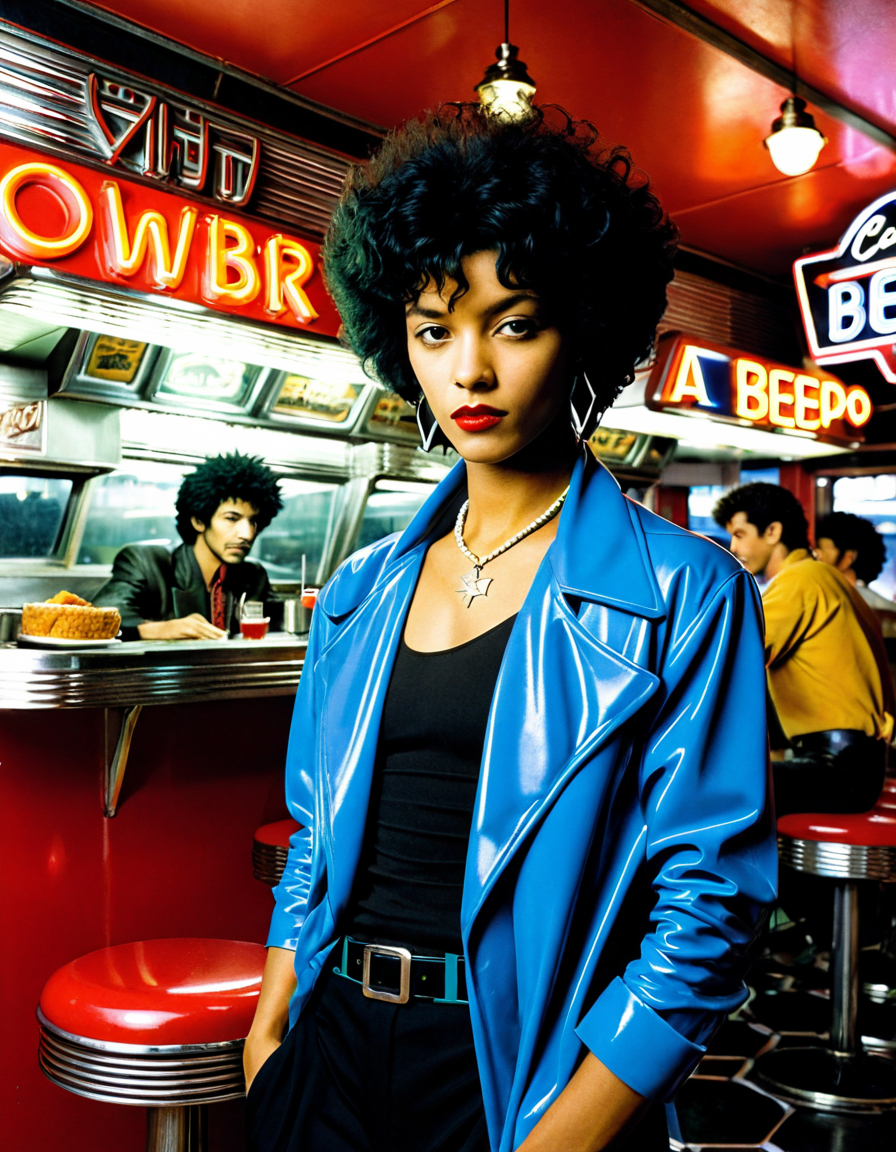
There’s a certain magic in the air when the name Cowboy Bebop dances off one’s lips. This monumental series, which first aired in 1998, redefined not only the anime genre but also how we perceive culture as a whole. It introduced us to a universe that expertly blends Western motifs and a spectacular jazz soundtrack, giving viewers an experience that was as complex as it was fun. With its episodic storytelling threaded with themes of loss, love, and existential longing, Cowboy Bebop burst onto the scene, captivating audiences far and wide. Who would’ve thought that a show featuring intergalactic bounty hunters would open doors to artistic appreciation and critical discourse around animation?
Before the arrival of Cowboy Bebop, anime was often categorized as children’s entertainment, relegated to the sidelines of serious media. This series shifted that narrative, offering deep character arcs and a sophisticated approach to storytelling that set it apart from contemporaries like Dragon Ball Z and Sailor Moon. It deftly explored emotional landscapes, solidifying itself as a work worthy of academic consideration. We’re talking about a seismic shift in entertainment here, one that dared to show audiences the gritty realities of life through the lens of space cowboys.*
The Impact of Cowboy Bebop on Anime and Culture
The cultural impact of Cowboy Bebop radiates like the trails of stardust left in the wake of a drifting spaceship. The series popularized not just a style of animation but a lifestyle, inspiring countless artists, musicians, and filmmakers along the way. The blending of genres—think high-octane jazz with deep philosophical themes—established a rich tapestry that invited viewers to partake in a greater conversation about art and identity.
Over the years, it has become a benchmark for storytelling, appealing to an audience that spans cultural and generational lines. Its infusion of jazz speaks volumes, serving as both a dynamic backdrop and a narrative device. Through tracks like “Tank!” and “Gotta Knock a Little Harder,” the music does more than accompany the story; it helps define the very essence of the characters and their journeys.
And who could overlook the press it garnered over the years? Cowboy Bebop became a talking point at conventions, academic forums, and even coffee-shop conversations. It’s hard to imagine a universe where jazz-infused sci-fi didn’t illuminate minds and inspire hearts.
Top 5 Iconic Tracks from the Cowboy Bebop Soundtrack
Music is often touted as the heartbeat of a good story, and Cowboy Bebop makes a compelling argument in favor of that declaration. The soundtrack, crafted by the impeccable Yoko Kanno and her band, The Seatbelts, brought genres like jazz, blues, and even classical into a glorious mix. Here are five tracks from the Cowboy Bebop soundtrack that encapsulate the series’ soul and texture:
Cowboy Bebop’s Exploration of Existential Themes
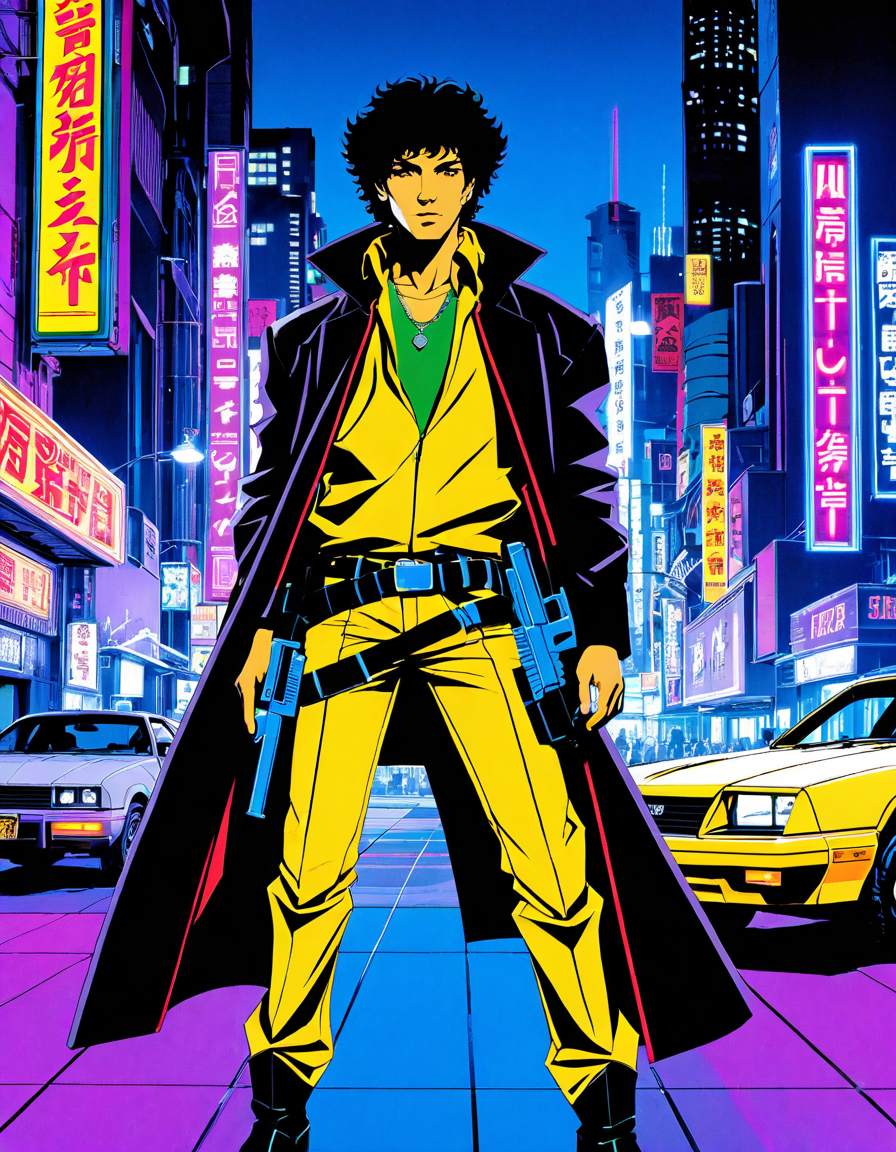
Existential themes are woven tightly into the fabric of Cowboy Bebop. This isn’t just space cowboys chasing down bad guys; it’s a deeply introspective journey about finding oneself in a chaotic universe. Spike Spiegel serves as a glowing example here, embodying a former hitman wrestling with his past choices and searching for meaning.
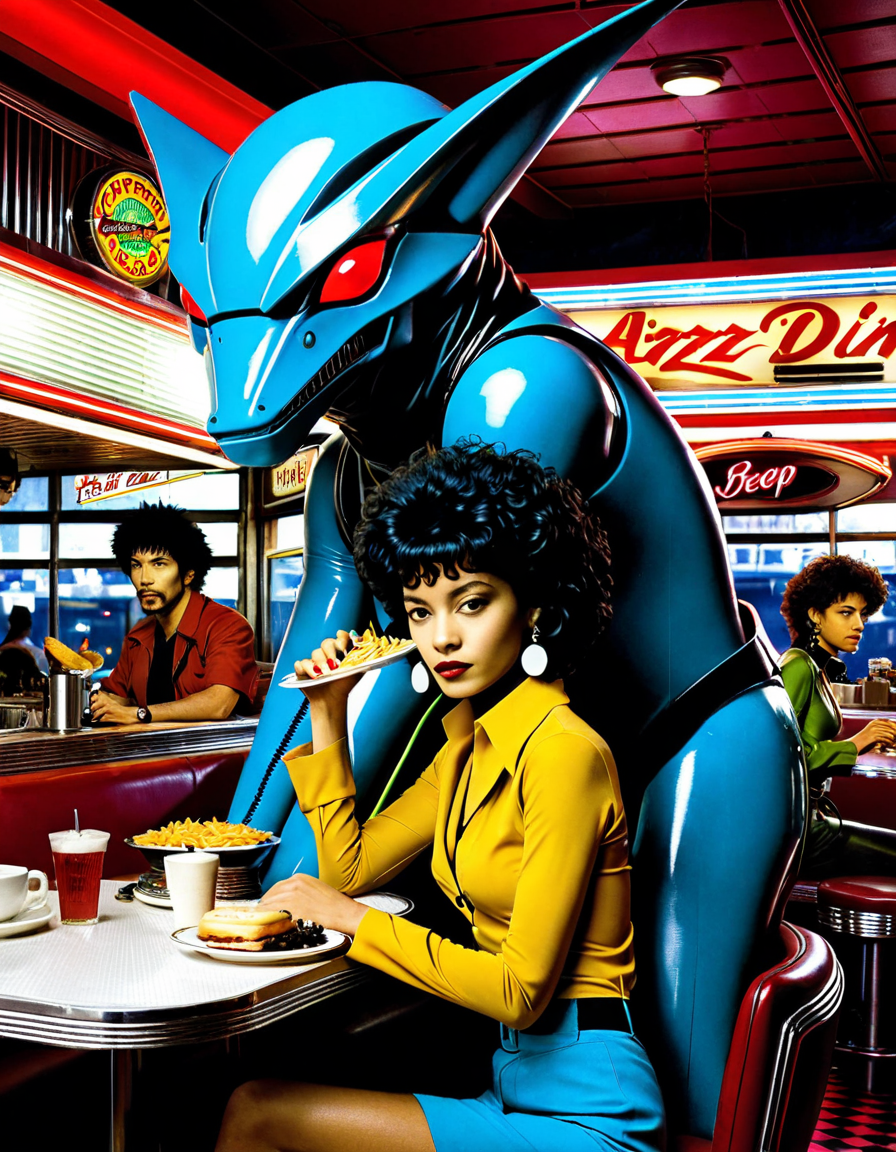
Faye Valentine adds another layer, showcasing the conflicting struggle between memory and trauma. Often depicted as a character caught in a whirlwind, she wrestles with lost identity, prompting viewers to reflect on their own paths in life. Such characters mirror our own existential dilemmas, encouraging discussions about purpose and truth that resonate even today.
The show’s use of jazz enhances these themes, with improvisational melodies reflecting life’s unpredictability. That’s the beauty of Cowboy Bebop: it nudges us not just to watch, but to feel.
Cowboy Bebop and Its Influence on Modern Storytelling
From the animated canvas, Cowboy Bebop spilled over into the broader storytelling landscape. Contemporary shows like Stranger Things draw inspiration from its unique chapter-based narrative style. The ability to intertwine episodic storytelling with over-arching themes is nothing short of revolutionary.
Moreover, movies like Blade Runner 2049 showcase visual and thematic elements permeated with the spirit of Cowboy Bebop. We’re witnessing a clever cross-pollination of ideas that highlights this series’ lasting influence beyond just its genre. It’s hard not to tip your hat to such stellar creativity!
The legacy continues, with creators across various platforms integrating the elements that made Cowboy Bebop iconic: stunning visuals, emotional depth, and a pulsating soundtrack. The impact of this beloved series knows no bounds, serving as a wellspring of inspiration for future generations.
Legacy and Lasting Fan Impact
The fervor surrounding Cowboy Bebop doesn’t just languish—it thrives. From themed conventions like Anime Expo to jazz bars worldwide celebrating its melodic essence, the series continues to resonate, creating a vibrant community of fans.
Artists and musicians frequently credit Cowboy Bebop as a cornerstone of their creative process. Contemporary jazz musician Kamasi Washington has spoken about the influence of this series on his artistic vision, channeling its aesthetic into his tunes. The boundaries of art are blurry, and Cowboy Bebop showcases how one series can encapsulate so many artistic expressions.
Even with revitalization efforts like live-action adaptations, which have sparked mixed reactions, the franchise holds a mirror to the evolving landscape of media. Its relevance demands attention and proves the eternal hold Cowboy Bebop has over its fans.
A Journey That Never Ends
As we embark into 2026, the legacy of Cowboy Bebop remains a testament to the power of storytelling that interweaves jazz, emotion, and sci-fi into a tapestry of interconnected narratives. It compels new generations to embark on their own journeys of self-discovery against the backdrop of cosmic adventures and soulful melodies. This series is more than a relic of nostalgia; it’s a vivid canvas inviting endless interpretation and adventure.
Through the lens of Cowboy Bebop, we find that legendary tales can indeed live on forever, permeating through time and space. Whether you’re strumming to the tunes of The Seatbelts or reminiscing about Spike and Faye’s escapades, one thing’s for sure—Cowboy Bebop is a journey that never truly ends.
Cowboy Bebop: Fun Trivia & Interesting Facts
The Jazz Connection
Cowboy Bebop isn’t just an anime; it’s a love letter to jazz music. The series features a superb original soundtrack that was created by composer Yoko Kanno and her group, The Seatbelts. Interestingly, Kanno had envisioned the show as an eclectic mix of genres, which helps the series stand out. In fact, jazz played such a pivotal role that listening to tunes from the show can transport you straight into Spike Spiegel’s world. If you’re after a fun place to enjoy a laid-back atmosphere similar to that of the Bebop crew, check out the Centurion Lounge miami where the vibes might remind you of the cozy feel of a jazz bar.
A Blend of Cultures
The visuals of Cowboy Bebop blend various influences, much like how New York City mixes different cultures. The character designs show hints of Western and Eastern styles, echoing in a sense, the culinary adventures one might have when sampling unique dining spots like Veggie Galaxy. And speaking of mix, director Shinichirō Watanabe also directed another iconic show, Samurai Champloo. This series, set in Edo-period Japan, combines hip-hop beats with samurai culture, showcasing Watanabe’s knack for merging genres—just like Cowboy Bebop does with jazz and space opera.
Iconic Characters and Real-Life Inspirations
Did you know the show’s main character, Spike Spiegel, was heavily inspired by real-life personas? His carefree attitude and demeanor might remind fans of a certain laid-back artist from the 1970s, like Brenton Wood. Plus, the creators infused the show with their love for diverse thematic elements, leading to characters that resonate with fans. For instance, Faye Valentine’s strong personality has made her a lasting icon, akin to the likes of a Rhode Island red hen🙁 tough, resilient, and unforgettable.
In this narrative dance of jazz and adventure, Cowboy Bebop continues to captivate audiences worldwide, creating layers of storytelling that invite further exploration. Somehow, the show has also found its way into other pop culture conversations, even inspiring references in sports with figures like Cristiano Ronaldo. So, whether you’re watching Cowboy Bebop for its extraordinary music, art style, or compelling character arcs, there’s always something new to discover—making each re-watch feel like an epic journey through space and time.