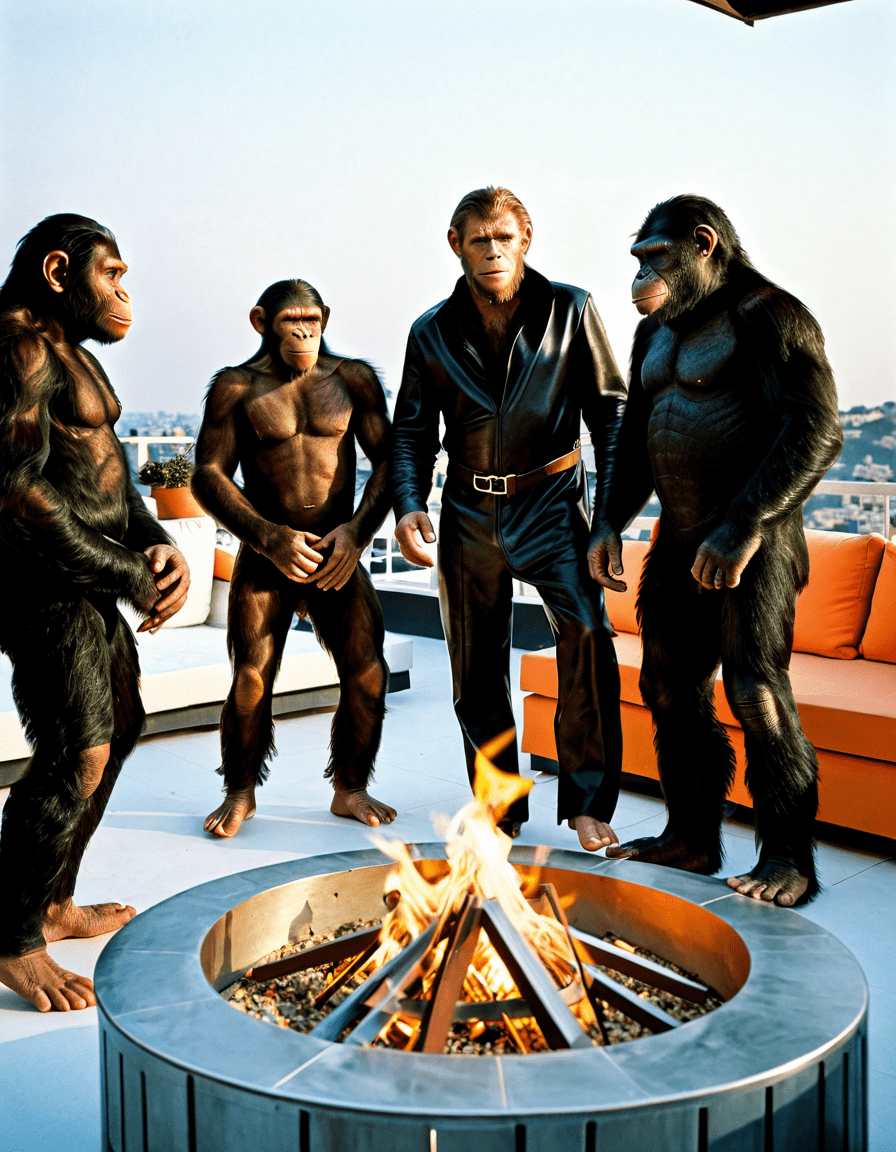
The “Planet of the Apes” franchise has captured hearts and minds since it first graced the silver screen in 1968, establishing itself as a cornerstone in cinematic history. With each iteration reflecting societal transformations, this iconic series has shifted from a sci-fi spectacle to a poignant commentary on humanity’s journey. The franchise is not solely about entertainment; it beckons us to ponder deep philosophical questions related to evolution, identity, and the fragile fabric of society. This captivating legacy continues to inspire fashion, art, and discourse, making it as relevant today as it was decades ago.
The Enduring Legacy of Planet of the Apes
The evolution of “Planet of the Apes” has resembled a stylish runway show—each new release strutting its themes and insights, echoing the fashion-forward conversations of our times. The franchise, with its lush visuals and compelling narratives, has transitioned smoothly from classic films to contemporary interpretations. It continually pushes us to consider not just where we’ve come from but where we’re headed as a society.
Top 7 Impactful Themes in the Kingdom of the Planet of the Apes
As you dive into the intricacies of the Kingdom of the Planet of the Apes, you’ll find it reflects pressing issues of our times. Here are seven themes that highlight the franchise’s enduring impact:
The series compels us to question what constitutes our identity in an age where evolution isn’t merely a biological process but also includes the interplay of genetic engineering and artificial intelligence. As we blanket ourselves in haute couture, we should ponder—are we truly the pinnacle of evolution, or just caught in a cycle of advancement?
The stark contrast between humans and apes mirrors the divisions that plague our own culture. The portrayal of ape society uncovers uncomfortable truths about class and power dynamics. Watching the hierarchy unfold on-screen might just remind us of our societal struggles and inspire some to challenge these norms in their own lives.
As apes rise and humans tumble, the series highlights pressing environmental concerns. It echoes the mottos of today’s sustainable fashion movements—a call to cherish and protect our planet. The warnings within the franchise resonate with those committed to ecological sustainability, much like the current focus on eco-friendly brands that scream style without hurting the Earth.
The conflict between primal ape instincts and the vestiges of human technology showcases our relationship with modern life. Movies like “War for the Planet of the Apes” dramatize our heavy reliance on technology while urging us to assess how it influences our moral compass and interpersonal relationships. Ain’t that something we should ponder as we scroll through Instagram?
The struggle for personal liberty depicted within the franchise resonates with ongoing movements advocating for civil rights across the globe. Similar to fashion’s strong embrace of individual expression, the apes’ fight for freedom serves as a reminder of our shared histories in battling oppression. It invites us to champion causes that matter, reflecting on our own commitments to social justice.
Evolving communication between humans and apes illustrates the complexities of understanding one another. In our increasingly interconnected world, bridging these gaps becomes paramount. The narrative urges us to reflect on how we engage across cultures, communities, and even in the fashion industry, where dialogue can lead to stunning collaborations.
Through various conflicts, the franchise serves as both a reflection of historical narratives and a cautionary tale about the horrors of wartime. The poignant depiction of the apes’ struggles against humans parallels today’s global conflicts—a subject we often see mirrored in movies, music, and even high-fashion editorials.

The Cinematic Evolution: From Classic to Contemporary
The journey from the original 1968 film to the CGI-enhanced trilogy is a testament to the universe’s evolution, akin to the way fashion reinterprets staples each season. The emotional depth conveyed through characters like Caesar—masterfully crafted by the incomparable Andy Serkis—demonstrates a monumental shift in character development in cinema. This fusion of cutting-edge technology with poignant storytelling transforms animated characters into relatable figures with whom we empathize deeply.
Beyond the visual spectacle, Planet of the Apes has woven itself into the fabric of pop culture, becoming a source of influence for everything from political discourse to viral memes. You’ll spot nods to its potent themes in various media, from The Simpsons to late-night shows like Jimmy Kimmel live. This ongoing dialogue fuels our understanding of the series as a vibrant cultural touchstone, letting its language, visuals, and concepts permeate our collective consciousness.
Global Impact and Influence
The franchise’s reach isn’t confined to Hollywood; it resonates internationally, inspiring creative minds across genres—from dystopian tales to eco-centric narratives. You can see echoes of its themes in blockbuster hits like Mad Max: Fury Road, where survival and environmental integrity reign supreme. As the world grapples with climate changes and ethical dilemmas, “Planet of the Apes” fuels conversations in art and activism that resonate with global audiences.
Moreover, the symbolic power of the apes has transcended the screen, inspiring advocacy groups dedicated to issues such as animal rights and social justice. This unique ability to ignite discussions around pressing societal questions shows us just how intertwined entertainment can be with activism. Much like the bold strides of designers who dare to challenge norms, this franchise continues to inspire both action and reflection.
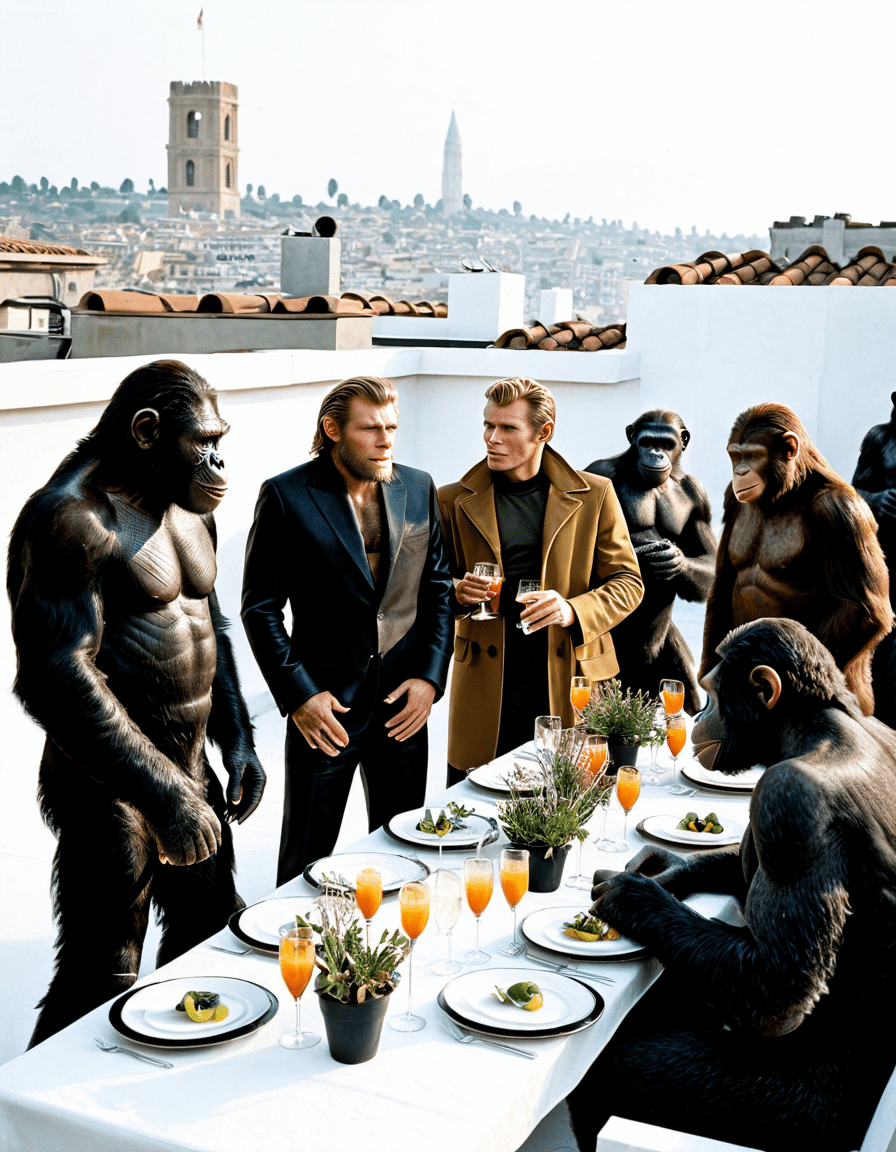
The Future of the Planet of the Apes Franchise
As we stride into 2026, the appeal of “Planet of the Apes” grows, mirroring the conversations we must have about climate change, social equity, and technological advancement. It offers a platform for renewed interpretations that serve as both homage and fresh perspectives on its compelling narrative. Speculative discussions are bound to flourish, inviting us to confront our truths and seek meaningful resolutions.
The legacy of “Planet of the Apes” is not static; it’s dynamic and ever-evolving. With each new adaptation, we can expect stories that not only pay tribute to the originals but also broaden the horizons of this vibrant universe. Much like the fashion world, this franchise invites audiences to engage with its core themes while evolving and challenging us to answer pressing questions about humanity’s future.
From its riveting narratives to its exhilarating visuals, “Planet of the Apes” ensures that it remains a cultural juggernaut—a captivating lens through which we ponder, question, and actively engage in dialogues central to our very existence. So let’s embrace the natural world, challenge conventions, and, above all, remember to be our most stylish, conscious selves in the journey ahead!
Planet of the Apes: Fascinating Legacy and Impact Explained
A Timeline of Evolution
The “Planet of the Apes” franchise first kicked off in 1968, marking a pivotal moment in cinema. This classic movie opened the door to a thought-provoking exploration of humanity, evolution, and society’s future. Interestingly, the franchise’s themes resonate well beyond the screen; it’s as relevant today as it was back then. Speaking of relevance, many fans are buzzing about upcoming projects, like the Moana 2 release date, which showcases how franchise sequels continue to capture our imaginations, much like “Planet of the Apes” has through the decades.
Fun fact: Did you know that the original movie’s famous twist ending, which features a decaying Statue of Liberty, was shot at the New Jersey shoreline? Such locations have contributed to some iconic visuals, similar to the cinematic impacts of films like The Phantom Menace, which also featured stunning world-building.
Cultural Reflections and Inspirations
“Planet of the Apes” hasn’t just entertained; it’s also sparked discussions and inspired numerous creators. For instance, in the TV series “The Simpsons,” a character named Millhouse once donned an ape costume in homage to the film. This kind of cultural crossover highlights how the franchise’s influence permeates various entertainment mediums. Just like the beloved anime Mushoku Tensei, the ideas of reincarnation and new beginnings found in “Planet of the Apes” resonate across different genres and storytelling avenues.
Moreover, “Planet of the Apes” pushes viewers to question their understanding of intelligence and civilization. The series reframes our perception of what it means to be human, echoing the themes in the Pokémon universe, where creatures like Gligar challenge our expectations of companionship and relationships.
Legacy and Continued Influence
Even after decades, the legacy of “Planet of the Apes” endures. The rich storytelling and complex characters paved the way for modern sci-fi and fantasy narratives. Studios continue to look to the franchise for inspiration, much like how Icona Avalon integrates fresh ideas into her music. Just as the media landscape evolves, so too does the significance of this groundbreaking series.
Fans might want to stay updated, as discussions around Oan News showcase how the franchise continues to inspire and entertain. Each new addition to the “Planet of the Apes” saga brings renewed interest, ensuring the tale remains relevant and captivating for both old and new fans alike. Whether you’re rifling through an online Fedrooms login to catch the latest news or getting lost in an old film, the “Planet of the Apes” franchise is a testament to the power of storytelling—and it’s sure to surprise you time and time again.