The character of Kojak, portrayed by the inimitable Telly Savalas, has left an unforgettable impression on the television landscape since his debut in the fabulous 1970s. This article aims to take you through the enduring legacy of Kojak, shining a light on his unique charm, perennial impact on culture, and the way his show has forever altered the crime drama genre. We’ll also give a nod to similar figures over the years, including the charismatic Ernie Hudson in “Ghostbusters,” who have contributed richly to this genre.
Top 5 Reasons Kojak Captivated Audiences

1. A Unique Approach to Detection
What truly made Kojak stand out was his untraditional methods of solving crime. He didn’t just fit the mold of your typical cop, ditching the usual clichés for a more relatable and imperfect human being. His affection for lollipops? A quirky touch, for sure, but it was also a soothing balm in the midst of his high-stress lifestyle. This delightful quirk helped audiences connect with Kojak on a deeper, more human level, making them root for him even when the stakes were sky high.
Picture the chaos of a high-stakes investigation, and then imagine Kojak, lollipop in hand, finding moments of calm to spark insightful clues. By incorporating levity into serious themes, the show paved the way for future detectives to have the same relatable quality. Isn’t that something we adore: flawed heroes in immaculate suits trying to keep chaos at bay?
2. A Cultural Zeitgeist Icon
Released during a period of social upheaval, Kojak resonated like a megaphone of justice that echoed throughout the 1970s. The show tackled pressing themes such as corruption and morality, which struck a chord with viewers. In an era rife with uncertainty, Kojak brought a sense of hope and righteousness that captured imaginations far and wide.
Unlike many of his contemporary cop dramas, Kojak presented a bold narrative that stood out, displaying the grittiness and courage found on the streets of New York. Its impact was monumental; it not only engaged but also educated audiences about the complexities of crime and justice, forever altering the landscape of television storytelling.
3. Telly Savalas: The Unforgettable Performer
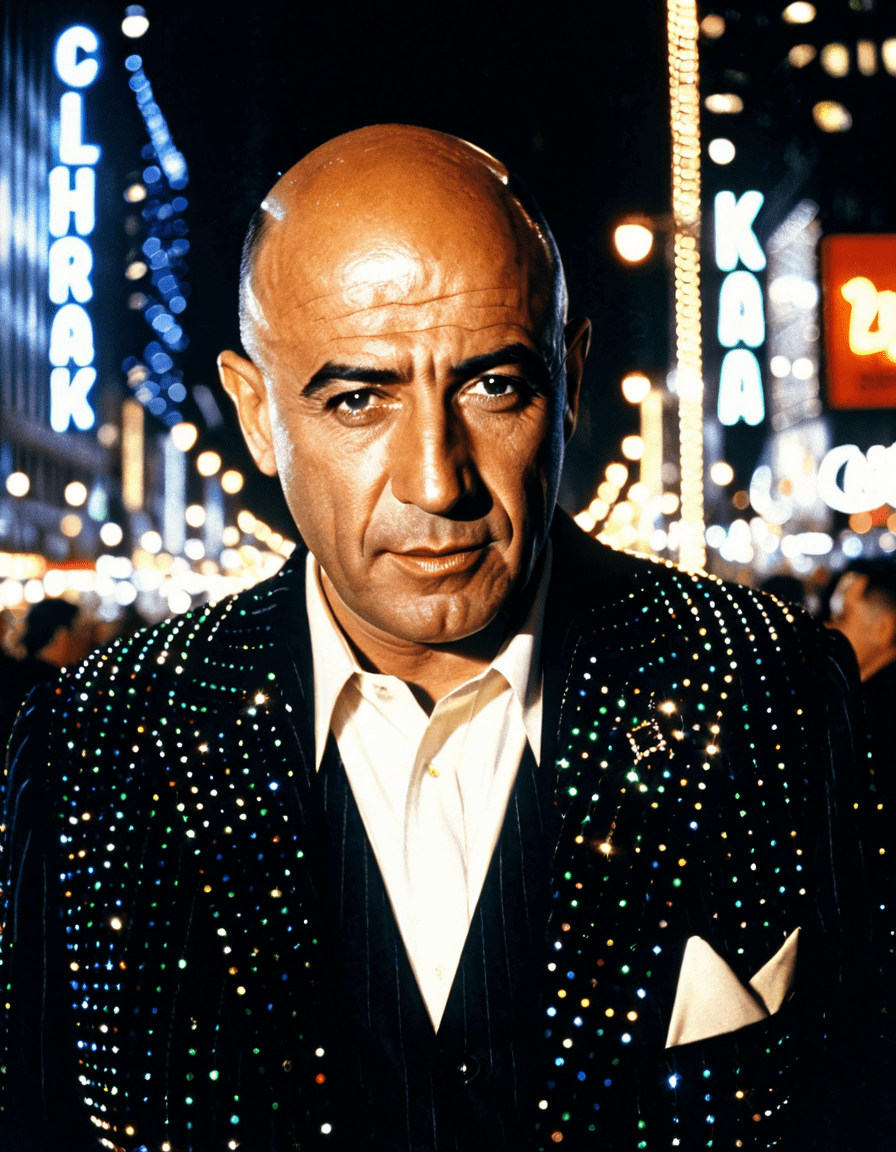
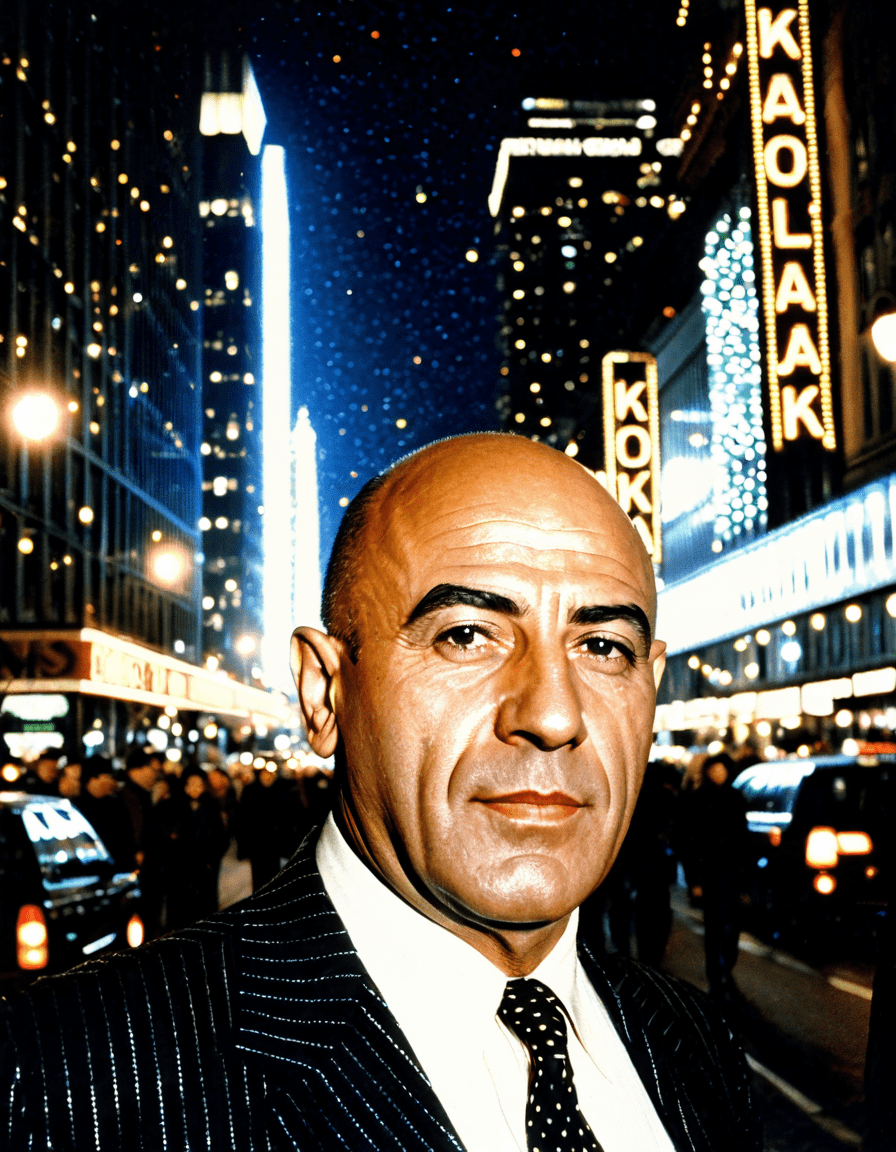
Telly Savalas wasn’t just playing a part; he became Kojak. With his trademark bald head and striking charisma, he broke all conventional molds for leading men of the time. There was an undeniable magnetism about him that portrayed a character layered with both strength and vulnerability.
His ability to weave emotions into each scene made him a formidable presence on screen, earning him multiple Emmy nominations and solidifying his status as a television icon. Savalas breathed life into Kojak, showing that beneath the hard exterior lay a man capable of deep empathy—connecting audiences to a rugged yet tender character.
4. Impact on Future Characters: Ernie Hudson and Beyond
When we think of modern detectives, it’s impossible not to draw parallels to characters like Ernie Hudson’s Winston Zeddemore in “Ghostbusters.” While Hudson’s job revolved around capturing phantoms rather than traditional criminals, both characters share a commitment to righteousness that resonates even today.
Hudson brought humor and humanity to a fantasy role that still carried the weight of moral integrity, much like Kojak did in real-world scenarios. The beauty of Kojak’s approach is evident; it set the bar high for future generations of characters to blend comedy with seriousness, becoming cultural icons in their own right.
5. The Comic-book Influence: Stan Lee and Bobby Lee’s Characters
Kojak’s ethos reached even into the comic book universe, finding kinship with the brilliant characters crafted by legends like Stan Lee. Lee’s work often glorified flawed heroes, making them relatable through the same moral dilemmas that Kojak navigated.
And let’s not forget the sketch work of Bobby Lee, which often mirrored Kojak’s emotive storytelling style, bringing complex narratives to life on screen. Both Lee and Lee’s characters reflect the everyday struggle of good vs. evil—showcasing that behind every great story lies a deeply flawed hero.
The Kojak Format: A Template for Modern Cop Dramas
Peeking into contemporary shows like “Brooklyn Nine-Nine” and “True Detective,” we see the unmistakable threads of Kojak woven into the fabric of modern crime storytelling. From crafted narratives focusing on character development to episodic plots tackling societal issues, Kojak’s influence is everywhere.
This unique blend of character depth with pressing themes established a template that many modern shows continue to follow. It’s remarkable how Kojak carved a niche that allows today’s writers to mirror complex moral issues within the framework of crime drama, capturing viewers’ attention while stimulating discussion.
Legacy Beyond Television: Kojak in Popular Culture
The reach of Kojak extends far beyond a mere television series; it’s a cultural touchstone that’s influenced various media, from animated parodies to musical references. In fact, 1970s nostalgia has sparked remakes and tributes that remind us why the detective genre remains timeless.
And let’s not overlook the ongoing evolution of crime dramas that embrace strong narratives filled with emotional complexity. Shows today yearn for characters embodying the traits that made Kojak unforgettable: a fierce moral compass married with an unrelenting sense of justice.
As audiences seek deeper connections to their on-screen heroes, Kojak endures as a vibrant symbol in the entertainment landscape—demonstrating that charisma and complexity can create evergreen storytelling. This multifaceted character showcases how the world of crime drama has evolved, cementing Kojak’s status not just as a show, but as a lasting cultural phenomenon.
With an unwavering commitment to exploring humanity amidst chaos, Kojak truly embodies the timeless essence of the detective genre. And as we move further into the dazzling future of storytelling, the legacy of Kojak continues to light the way.
For those who wish to dive even deeper, consider exploring personal narratives like the poignant loss Of a daughter poem that resonate with Kojak’s quest for justice or check out the curated selections on Watchdocumentaries that may remind you of his gripping pursuits. Whether grabbing a treat from the Ucla store or indulging in delicious hibachi chicken, the influence of Kojak can be seen everywhere. From fan theories around the Strickland Brothers to discussions about fresh interpretations of classics like Nosferatu or spine-chilling series like the Haunting Of Hill house, the timelessness of Kojak’s character continues to inspire modern narratives, including serious examinations of cases like the Delphi Murders.
Kojak isn’t just a television show; he’s a lifestyle, a reference point, and most importantly, a beacon of integrity in a world full of complexity. And that’s something we can all embrace with a fond smile and a lollipop in hand.
Kojak: A Detective who Intrigued Generations
The Man Behind the Badge
Kojak’s character first strutted his stuff on screen in 1973, and folks quickly fell for his charm. Portrayed by the talented Telly Savalas, this bald detective became a cultural icon. Did you know that Telly’s trademark lollipop was actually a way to keep his cigarette cravings at bay? Yup, that sweet little prop turned into a classic Kojak symbol, which you can learn more about from our feature on Etoile. Besides his sweet tooth for lollipops, Kojak’s urban flair, tough demeanor, and catchphrase— “Who loves ya, baby?”—took the television audience by storm!
Breaking Ground
Kojak wasn’t just beloved for his catchphrases and lollipops; he was a trailblazer for TV crime dramas. The show brought gritty crime stories from the streets into American living rooms, paving the way for future detectives like Columbo and, later on, shows like The Wire. As his adventures unfolded, viewers saw more than just crime-solving—they were introduced to the social issues of the 1970s, making Kojak a mirror reflecting the societal changes happening at the time. Curious about the behind-the-scenes magic? Check out our feature on etoile for insights on how production merged storytelling with real-world concerns.
Lasting Impressions
Beyond hit TV episodes, Kojak left a legacy that extended into popular culture. His role inspired a whole line of merchandise, including action figures and memorabilia. Even decades later, references to Kojak pop up in sitcoms and movies, showcasing the show’s lasting impact. Interestingly, Savalas’s portrayal was so iconic that he earned an Emmy Award for Outstanding Lead Actor in a Drama Series. Talk about a detective whose reach extended far beyond the precinct! For a deeper dive into how characters like Kojak shaped entertainment, don’t miss our piece on etoile that charts the evolution of detective fiction!
Kojak not only captivated audiences; he shaped the TV crime genre in a way few could have imagined. His iconic bald head, swoosh of charm, and knack for solving mysteries made him a beloved figure, and his influence still resonates today.