Ah, the grapevine—a wondrous fixture in our lives, enriching our existence with splendors that only fermented grapes can conjure. For those with a penchant for wine, understanding the basics can elevate your experience from a simple sip to a thrilling ride through the depths of flavor and culture. So, let’s embark on this journey to unveil some grapevine secrets that’ll transform your vino escapades into an elevated affair!
The Power of the Grapevine: Understanding Terroir and Its Impact on Flavor
Let’s start with the magic word: terroir. It refers to the intricate relationship between the grapevine and its environment—think geography, geology, and climate—all mingling to create the flavors we adore. Take Napa Valley, for instance. The volcanic soil there gifts Cabernet Sauvignon its distinctive fruitiness, creating a wine so luscious it practically sings. Jump across the ocean to Burgundy’s chalky soil, and you’ll find that it nurtures complex Pinot Noir, a testament to how the earth molds these divine beverages.
Terroir doesn’t stop at soil; it’s also about climate. How does the sun caress the grapevines? What winds whisper through the leaves? Each climate kisses the grapes in unique ways, providing layers of flavors. Ever tasted a wine that felt like a sun-drenched day? That’s terroir working its magic.
Understanding terroir connects us deeply with our wine. It helps us appreciate each bottle’s personality. Next time you uncork a bottle, remember—there’s a story nestled in every sip, a tale of sun, soil, and the grapevine that bore it.
Top 5 Grapevine Secrets Every Wine Enthusiast Should Know
1. The Role of Rootstocks
Rootstocks may sound vague, but they’re the backbone of grapevines. Different varietals can enhance resilience and adaptability. Consider the Vitis vinifera grafted onto rootstocks like 110R. This marvel promises drought resistance, especially for vineyards in arid spots like Australia’s Barossa Valley, where bold Shiraz emerges, rich and brimming with life.
2. CDM and Clone Selection
Let’s talk clones – no, not the sci-fi kind! Wine clones can drastically change the flavor profile of your favorite vintages. For instance, “Clone 115” of Pinot Noir delivers bright acidity with delightful raspberry notes, while “Clone 667” leans towards deeper, structured wines, bursting with dark fruit. This kind of attention to detail means winemakers like those at Domaine de la Romanée-Conti are always at the forefront of quality.
3. Unconventional Vineyard Shapes: The Palmetto Effect
While traditional vineyards often favor straight rows, some daring winemakers are flipping the script. The palmetto training system is all about optimizing sunlight exposure and air circulation. Wineries like Terra Firma in California use this method to yield stunning Zinfandel, making it a fabulous testament to the grapevine’s ability to adapt and thrive.
4. The Influence of Wildflower Cover Crops
Now, wildflower cover crops are not just for your backyard garden! They bring vitality to vineyards too. A little study from the University of California points out that vineyards featuring wildflowers yield grapes brimming with phenolic compounds—critical for flavor richness and aging potential. Lieu Dit in Santa Barbara showcases how integrating floral diversity leads to wines that are as vibrant as their environment.
5. The Impact of Timing: Harvest Moon Phenomenon
Ever thought the moon could affect grape flavor? It’s true! Some winemakers have started aligning grape harvests with lunar phases, believing that picking during a full moon boosts sugar levels in grapes. Ridge Vineyards, known for their Zinfandel, swears by this timing, claiming it enriches the flavor complexity of their wines. Talk about taking a sip and feeling the cosmos!
Cultivating the Perfect Wine Experience: Engage with Grapevines
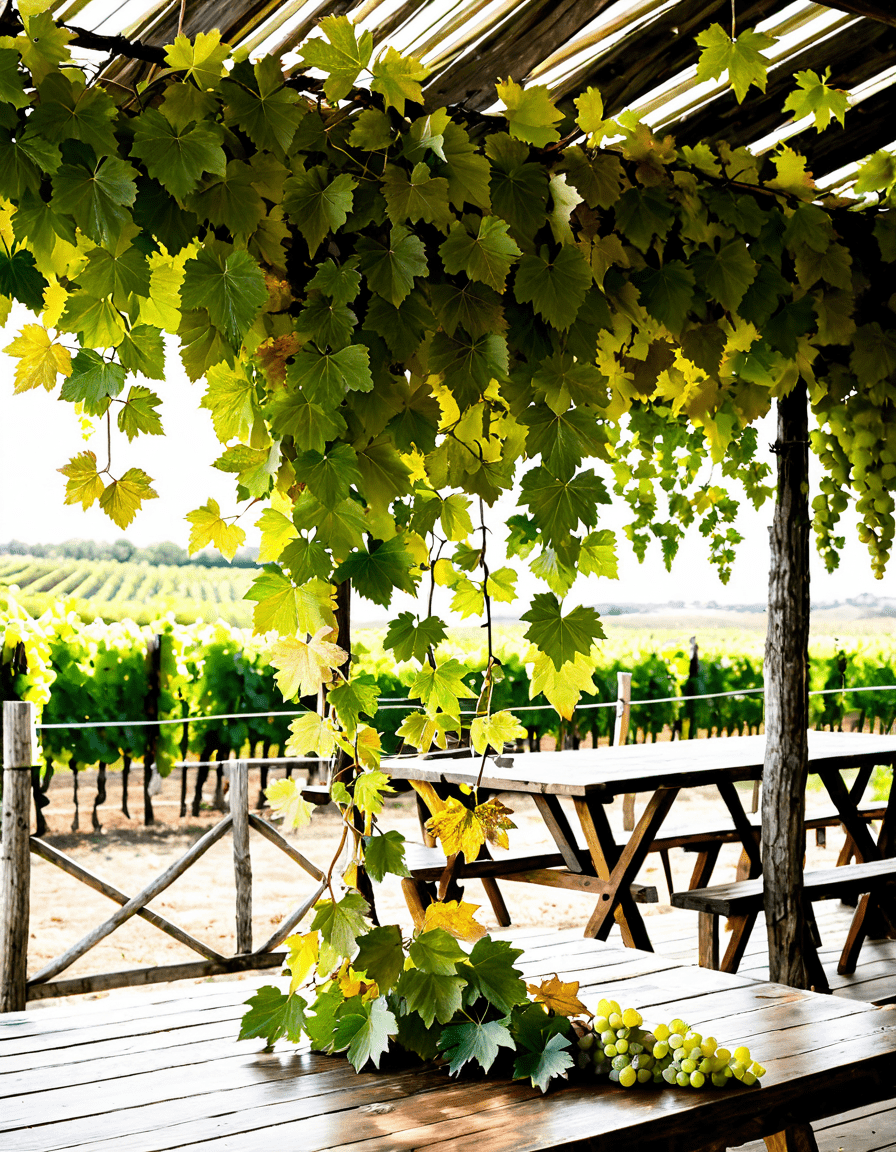
To truly celebrate wine, immerse yourself directly in the grapevine. Visiting vineyards, particularly in the renowned Champagne region, allows you to soak up the environment that shapes each bottle. You can feel the climate, touch the soil, and discover firsthand how these factors come together.
And don’t just stop there! Participate in tasting events at wineries. This engagement deepens your understanding of viticulture and the art of winemaking. You’ll leave with not only a more refined palate but also stories to share in chic salons and cozy dinners.
Elevating Your Wine Choices: Beyond the Bottle
Adventurous wine enthusiasts often discover unsung heroes in lesser-known regions. For instance, wines from Portugal’s Dão region boast incredible flavor profiles steeped in indigenous grape varieties like Touriga Nacional. Embracing these hidden gems diversifies your collection while enriching your understanding of global viticulture.
Wine isn’t just about the bottle; it’s a narrative threaded through time and place. Each pour invites you to explore cultures that shaped its creation. The grapevine opens doors to stories and experiences, turning each tasting into a memorable occasion filled with flair and celebration.
So here’s the bottom line: By embracing the secrets of the grapevine, you’ll enhance your wine experiences tremendously. Wine tasting becomes more than just a drink; it’s an exploration of history, climate, and the hands that cultivate those fascinating vines. Go forth, sophisticated sipper, and let your grapevine adventures guide you to greater heights. Cheers!
Grapevine Mysteries That Will Enrich Your Wine Journey
The Fascinating Origins of the Grapevine
Did you know the grapevine has been around for thousands of years? This vine, scientifically known as Vitis vinifera, can be traced back to ancient civilizations. Pictures of grapevines have been found in Egyptian tombs, showcasing their importance in early society. What’s more, exploring their places of origin might surprise you—regions like the Caucasus, Greece, and even parts of modern-day Iran are where the grapevine took its first steps. If you’re curious about the ever-growing popularity of home activities that celebrate wine culture, check out these ideas where you can explore how to make wine tasting a fun social event in your home And rent space!
Characteristics That Make Grapes Unique
Grapes are a marvel of nature; the sheer variety can be mind-boggling. There are over 10,000 different types of grapes grown globally, each boasting its unique characteristics. A fun fact: the famous sparkling wine, Champagne, relies on three dominant grapes—Chardonnay, Pinot Noir, and Pinot Meunier! Speaking of variations, ever wondered about celebrity names like Chappell Roan real name? Many grapes have interesting backstories, much like well-known personalities that bring a unique flair to their respective fields, much like how wine brings elegance to any gathering.
The Impact of Terroir on Flavor
Now, here comes the juicy part—terroir! This fancy French term refers to how a vineyard’s soil, climate, and geography affect grapevine growth and ultimately the wine’s taste. Grapes that bask in the sun on a hillside produce very different wines than those growing in a cooler, shaded area. This can lead to delightful surprises in a bottle, much like how a film can draw you in—consider classic productions like V For Vendetta that stick with you long after the credits roll! When you sip a wine, you’re essentially tasting the combination of years of history, environment, and genetics all wrapped up in that glass, much like the exhilarating experience of watching “Willy Wonka and the Chocolate Factory.
With all these grapevine secrets, your wine experience is bound to transform! Whether you’re delving into the lore behind your favorite varietals or exploring the intricate nuances that terroir brings, there’s a whole world waiting to be savored. And if you’re feeling a bit more adventurous, maybe dive into the Halloween spirit this year by throwing an all-out wine tasting together on All Hallows’ Eve, just to mix things up!