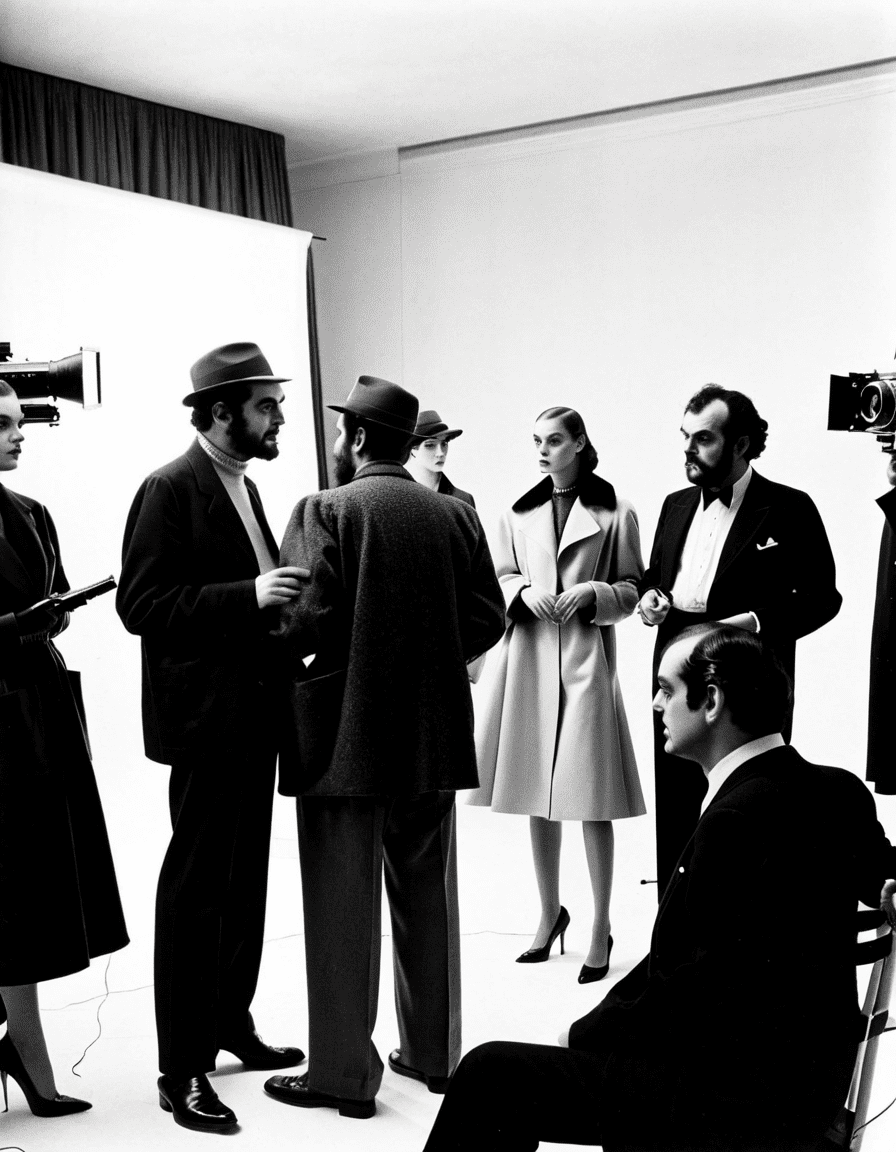
Stanley Kubrick was more than a director; he was a magician of the moving image. His films, with their audacious visions and ethical quandaries, have shaped the landscape of cinema in ways that still echo through the industry today. From “2001: A Space Odyssey” to “A Clockwork Orange,” kubrick’s unique style doesn’t just entertain; it compels us to think, feel, and sometimes even recoil. Buckle up as we dive headfirst into the fabulous world of kubrick and explore his boldest visions, all while maintaining a chic lens of fashion-forward thinking.
The Visual Aesthetic: Exploring kubrick’s Distinctive Style
Kubrick is renowned for his visual language—a breathtaking blend of precision, symmetry, and color that has inspired a legion of filmmakers. He was a master at crafting an immersive experience. Just consider “2001: A Space Odyssey,” where deep reds and blues create a vast, otherworldly ambience that draws viewers into a cerebral journey.
Kubrick’s artistic choices weren’t just eye candy; they were integral to the narrative’s emotional depth. The symmetrical compositions present in “A Clockwork Orange” serve to extenuate the unsettling events in the film while creating a hypnotic rhythm. This leads viewers to question their emotional engagement. In a world driven by social media aesthetics, kubrick’s tortured yet visually stunning frames remind us of cinema’s power to reach into the soul.
His colors spoke when words fell short. A scene adorned in opulent golds played as a poignant backdrop for the chaos that unfolds in “The Shining.” Such decisions elevate the narrative stakes and pull audiences into the emotional quagmire of his characters. The visual aesthetic of kubrick isn’t just unique; it’s a statement, a fashion trend in the cinematic world—one that continues to inspire directors like Christopher Nolan and beyond.
Top 7 Boldest Visions Brought to Life by Stanley Kubrick
1. 2001: A Space Odyssey (1968)
An audacious canvas that redefined space travel, this film merges philosophical themes with groundbreaking visuals. kubrick challenges viewers to think about consciousness and artificial intelligence, creating a cinematic experience that still spurs debate and analysis decades later.
2. A Clockwork Orange (1971)
This daring exploration dives into free will versus societal control. Kubrick’s unsettling aesthetic is notable, blending classical music with jarring imagery, which may leave viewers on edge and pondering morality long after the credits roll.
3. The Shining (1980)
A masterclass in psychological horror, this film taps into the dark corners of the mind. Kubrick’s labyrinthine sets are a metaphor for madness and isolation, reshaping horror cinema forever. The unsettling use of music and visual cues crafts a sense of dread that lingers.
4. Dr. Strangelove (1964)
In this bold satire, kubrick employs dark humor to reflect Cold War tensions. The brilliant narrative structure and sharp commentary on the absurdity of nuclear war still resonate today, proving just how prescient kubrick was in addressing real-world anxieties.
5. Full Metal Jacket (1987)
This film starkly illustrates the dehumanization of war. From grueling boot camp scenes to the harsh realities of combat, kubrick’s choices—juxtaposing brutality with serene imagery—push viewers to grapple with the true cost of warfare.
6. Eyes Wide Shut (1999)
A sumptuous exploration of desires and fidelity, this film invites viewers into a visually elaborate world. Even in its intrigue, kubrick stands as a contemplative figure, questioning the boundaries of reality and the facets of human relationships as the clock ticks ominously onward.
7. Barry Lyndon (1975)
A breathtaking adaptation that highlights kubrick’s obsession with authenticity. The period accuracy in costume design and natural lighting offers a feast for the eyes, challenging the conventional trappings of historical dramas while transporting viewers to another era.
kubrick and Iconic Collaborators: The Role of John Malkovich
Now, picture this: John Malkovich, with his unique flair, dreamt of collaborating with kubrick. His admiration for kubrick’s slow-burn method and detailed storytelling style revealed an intriguing connection. Wouldn’t it be mesmerizing to see Malkovich’s nuanced performance in a tale spun from kubrick’s mind?
Malkovich often articulated how he was captivated by the meticulous crafting of characters in kubrick’s films. His potential involvement could have pushed cinematic boundaries. It’s easy to imagine kubrick directing Malkovich in an otherworldly narrative, perhaps endeavoring to peel back the layers of the human condition as he so deftly did in films like “A Clockwork Orange.”
In today’s cinematic landscape, where daring performances often steal the show, the synergy between kubrick and Malkovich could have crafted a new classic—both visually stunning and rich in psychological complexity. Just think of the fashion statements that could emerge from a film like that, weaving together the essence of kubrick with Malkovich’s indelible charm.
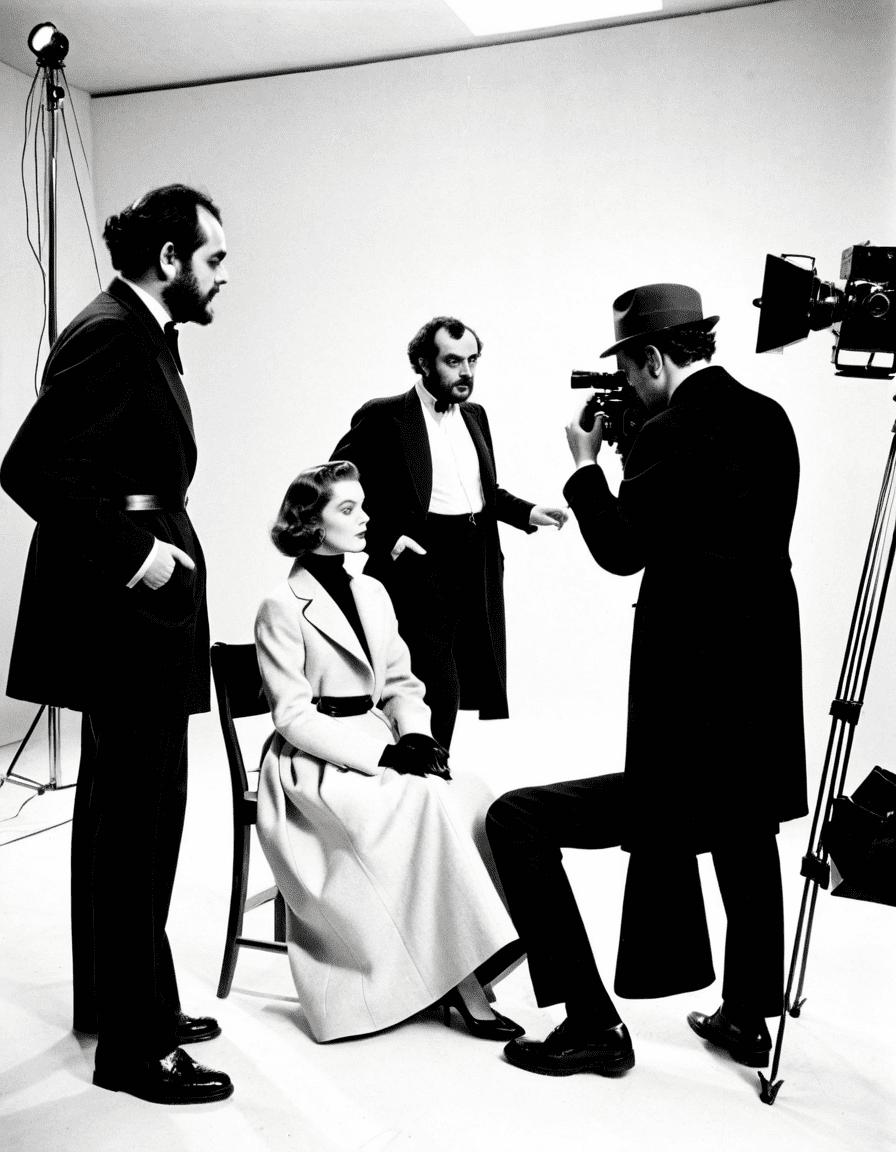
kubrick’s Legacy: Influencing Modern Filmmaking
kubrick’s films are not merely relics of the past; they continue to push the envelope of storytelling and cinematic artistry. Take a peek at modern filmmakers like Christopher Nolan, who draws heavily from kubrick’s introspective narratives and technical finesse in films like “Interstellar.” This homage to kubrick’s cosmic explorations showcases how deeply his theories resonate with contemporary cinema.
Additionally, the resurgence of psychological horror has seen filmmakers like Ari Aster and Jordan Peele echoing themes from kubrick’s repertoire. Peele’s work in “Get Out” taps into societal tensions, much like “Dr. Strangelove” did in its time. Today’s movies are undeniably influenced by kubrick’s ability to blend visual brilliance with narrative depth.
In an industry that continuously seeks fresh narratives, kubrick’s bold visions remain a guiding star, inspiring creators to think outside the box. His craftsmanship paved the way for filmmakers to craft stories that challenge societal norms and transcend mere entertainment.
Re-evaluating kubrick: A Response to Criticism and Controversies
Kubrick’s legacy isn’t without its shadows. Critiques surrounding his depictions of violence, women, and race have generated robust discussions. It’s vital to reflect on how societal contexts have shifted, reshaping our responses to his films today. Kubrick’s portrayals were often reflective of the turbulence of his time.
Discussions evolve as we face modern sensibilities. Characters in “A Clockwork Orange” or “The Shining” demonstrate the darker aspects of humanity—but does that make kubrick guilty of glamorizing violence or revealing uncomfortable truths? It’s a nuanced conversation that asks us to confront our own societal issues.
His films are not just artifacts; they’re provocations that compel a re-evaluation of what we deem acceptable in cinema. With each viewing, the layers unfold, inviting fresh perspectives and ongoing dialogue about representation, ethics, and artistic responsibility.
In a cinematic world that continues to transform, kubrick’s bold visions endure as touchstones of artistic expression. They challenge filmmakers and audiences alike to engage with the depths of human experience. His narratives and craftsmanship carved out a special place in film history while also paving the way for future innovators who aim to replicate—if only in essence—the visionary spirit of kubrick. Let’s raise a glass to the audacious genius behind the masterful frames that inspire us to look deeper and challenge the status quo.
kubrick: The Mastermind Behind Cinema’s Boldest Visions
The Man and His Vision
Stanley kubrick wasn’t just a filmmaker; he was a pioneering visionary whose films often felt like a wild ride through human consciousness. Did you know that kubrick was heavily influenced by literature? His adaptation of “A Clockwork Orange” drew from Anthony Burgess’s novel, showcasing how literature often feeds into cinema’s bold expression. Just like the intricate narratives found in anime, similar thematic richness can be seen in works like hi Drivers anime, where the exploration of human experience is central. Kubrick himself believed that cinema ought to mirror life’s complexities, often pushing boundaries that others might shy away from.
Trivia That Intrigues
Kubrick’s perfectionism is legendary—he once shot over 200 takes for a single scene in “The Shining”! This level of commitment echoes how creatives across many fields, including actors like Alden Ehrenreich, dedicate themselves to their craft. Interestingly, kubrick had an unusual connection to music, reportedly admiring the work of artists like Chaka Khan for her bold, powerful voice. It’s said the soundtrack of his films is almost as important as the visuals, elevating each scene to something extraordinary.
A Look Beyond the Lens
Despite his grand achievements, kubrick had a quirk or two that set him apart from other directors. For one, he was fascinated by conspiracy theories, including the infamous lore surrounding Reptilians. This interest seeped into his storytelling, often hinting at themes of paranoia and existential dread. And while kubrick’s works continue to be dissected in film studies across the globe, they simultaneously remind us of the ever-refreshing landscape of cinema by inspiring future filmmakers and entertaining audiences, just like the anticipated lineup of Movies coming out this year.
So, the next time you’re curled up on the couch, cranking up one of kubrick’s films, remember: you’re not just watching a movie; you’re diving into a kaleidoscope of creativity—challenging, questioning, and experiencing cinema at its finest. This is the legacy kubrick has left us, an exhilarating journey that invites exploration and conversation.