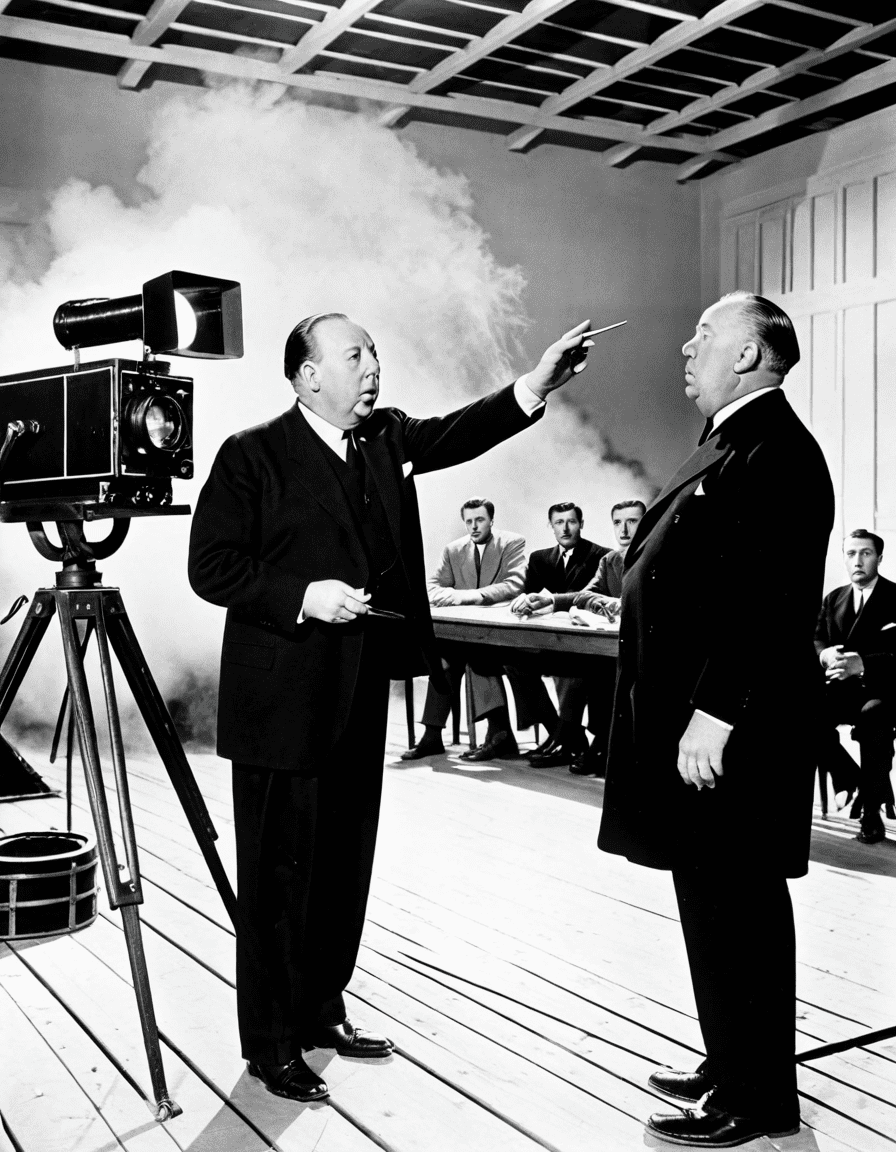
Alfred Hitchcock, the name alone stirs intrigue and excitement among cinephiles and casual movie-goers alike. Often dubbed the “Master of Suspense,” Hitchcock’s films have left an indelible mark on the landscape of cinema. He had a flair for manipulating human emotions, skillfully crafting stories that explore the darkest alleys of the psyche. In an age where fashion meets film, the cinematic techniques of this remarkable filmmaker remain relevant, shaping the very fabric of storytelling in cinema today. Let’s explore the ten elements that define Alfred Hitchcock’s suspense mastery and how they resonate within the corridors of modern filmmaking.
Ten Elements That Define Alfred Hitchcock’s Suspense Mastery
1. Psychoanalytic Themes
2. Innovative Camera Techniques
Imagine the iconic shower scene in “Psycho” — a perfect display of Hitchcock’s genius in camera crafting. The rapid cuts and strategic angles build an escalating tension that leaves viewers gasping without showing a single graphic detail. The sense of fear is born not from what is experienced but from what remains unseen. Hitchcock showed us that perspective is everything, establishing his technique as a hallmark in suspense filmmaking.
3. The MacGuffin
Ah, the MacGuffin, a term coined by Hitchcock himself, refers to an object that serves as the plot’s catalyst yet ultimately carries little significance. Think about the stolen money in “Psycho” or the elusive formula in “North by Northwest.” These seemingly trivial elements keep audiences glued to their seats, captivated by the chase rather than the prize. A sophisticated trick that allows viewers to engage deeply with the narrative while remaining perpetually invested.
4. Misdirection and Plot Twists
5. Sound Design and Music
6. Iconic Stars Like Gregory Peck
Let’s not forget the stunning collaborations with stars like Gregory Peck, whose presence amplified the gravity of Hitchcock’s narratives. In “Spellbound,” Peck portrays a man grappling with psychological turmoil, allowing the film to explore emotional realms as it thrusts him into precarious situations. The casting wasn’t just star power; it allowed Hitchcock to delve deeper into psychological suspense, elevating the entire cinematic experience.
7. Complex Characterization
8. Themes of Voyeurism
Voyeurism is a recurring theme in many of Hitchcock’s films, opening a dialogue about boundaries and ethics of observation. “Rear Window,” once again, plays masterfully with this idea; we watch Jimmy Stewart scrutinize his neighbors but find ourselves complicit in his judgments. Hitchcock makes us question our positions as viewers, amplifying suspense not just in the story but in the act of watching itself.
9. Climactic Showdowns
10. Legacy of Suspense in Modern Cinema
The influence of Hitchcock is inscribed in the works of contemporary directors like Alfred Molina, who weave elements of suspense into their narratives. You can see his signature style emerge in films tackling psychological intricacies, inspiring storytellers to push boundaries while crafting their own gripping tales. From Jordan Peele’s “Get Out” to Ari Aster’s “Hereditary,” Hitchcock’s legacy of suspense continues to set the standard for modern filmmaking.

How Chuck Norris and Other Iconic Figures Contrast with Hitchcock’s Style
While Alfred Hitchcock earned his acclaim through psychological tension and suspense, figures like Chuck Norris veer down a different narrative path altogether. Norris epitomizes action and confrontation; his films are often filled with explosive sequences and adrenaline-driven plots. This contrast not only highlights differences in cinematic style but also defines the diverse experiences that cinema offers.
The Lasting Impact of Alfred Hitchcock on Contemporary Creators
Hitchcock’s influence stretches far beyond the vintage cinematic atmosphere; it permeates the very fabric of modern storytelling. Filmmakers today return to Hitchcock’s playbook, reworking his techniques to expound on themes of suspense and psychological tension. His magnificent legacy inspires creators to dig deeper and engage their audiences meaningfully.
Examples of this newfound vision lit by Hitchcock’s ember can be found in the likes of Jordan Peele and his ingenious approach in “Get Out.” Like a modern-day Hitchcock, he intertwines social commentary with psychological thrill, crafting narratives that feel freshly terrifying yet grounded in realism. Ari Aster’s “Hereditary” moreover delves into familial traumas, echoing Hitchcock’s knack for showcasing intricate psychological landscapes that make your heart race.
In this ever-spinning wheel of cinema, Alfred Hitchcock’s masterful grip on suspense beckons modern creators to explore and challenge the limits of the genre. His artistic brilliance teaches us that suspense is artfully crafted not only in what is revealed but tantalizingly in what remains elusive. As we turn to the future of filmmaking, we can’t help but hold our breath, waiting for the next twist around the corner — just like Alfred Hitchcock intended.
Alfred Hitchcock: The Master of Suspense in Cinema
A Glimpse into Hitchcock’s Craft
Alfred Hitchcock, often dubbed the Master of Suspense, had a knack for captivating audiences with his thrilling narratives and unexpected twists. Did you know that his iconic film Psycho forever changed the portrayal of horror and suspense in cinema? The infamous shower scene is considered one of the greatest moments in film history, marked by a combination of eerie music and chilling visuals. This inventive storytelling echoes the techniques you’d find in movies like City Of God, which masterfully explore intense themes through raw emotion and stark reality.
Peculiar Inspirations
Hitchcock’s life was as intriguing as his films. He had an absolute fear of policemen, which translated into his unique characterization of authority figures in many of his works. His quirky personality can be compared to the eccentric characters in Beetlejuice, showcasing how the unconventional can lead to creative genius. In fact, Hitchcock often created suspense by placing ordinary people in bizarre, dangerous situations—something we see with the imaginative tech in films like Fantastic Four 2, where heroes confront daunting challenges that push them to their limits.
Behind the Scenes and Quirky Facts
Ever wonder what made Hitchcock tick? This enigmatic filmmaker was famously known for his cameos in his movies, typically showing up for just a brief moment to keep audiences on their toes. His playful engagement reminds us of the light-hearted moments peppered throughout films, like the nostalgic vibe of Power Rangers movie. And speaking of unique details, it’s interesting how he once described suspense as “the lengthening of the moment.” His meticulous approach to timing in storytelling can inspire upcoming filmmakers much like the lessons learned from the innovative storytelling styles seen in golf Movies.
In closing, Alfred Hitchcock’s influence on cinema goes beyond just suspense films. Understanding his unusual traits and filmmaking strategies provides valuable insight into how stories engage audiences. So, the next time you watch one of his classics, remember these quirky tidbits and appreciate the genius intricacies behind the tension-filled moments we’re left biting our nails over!