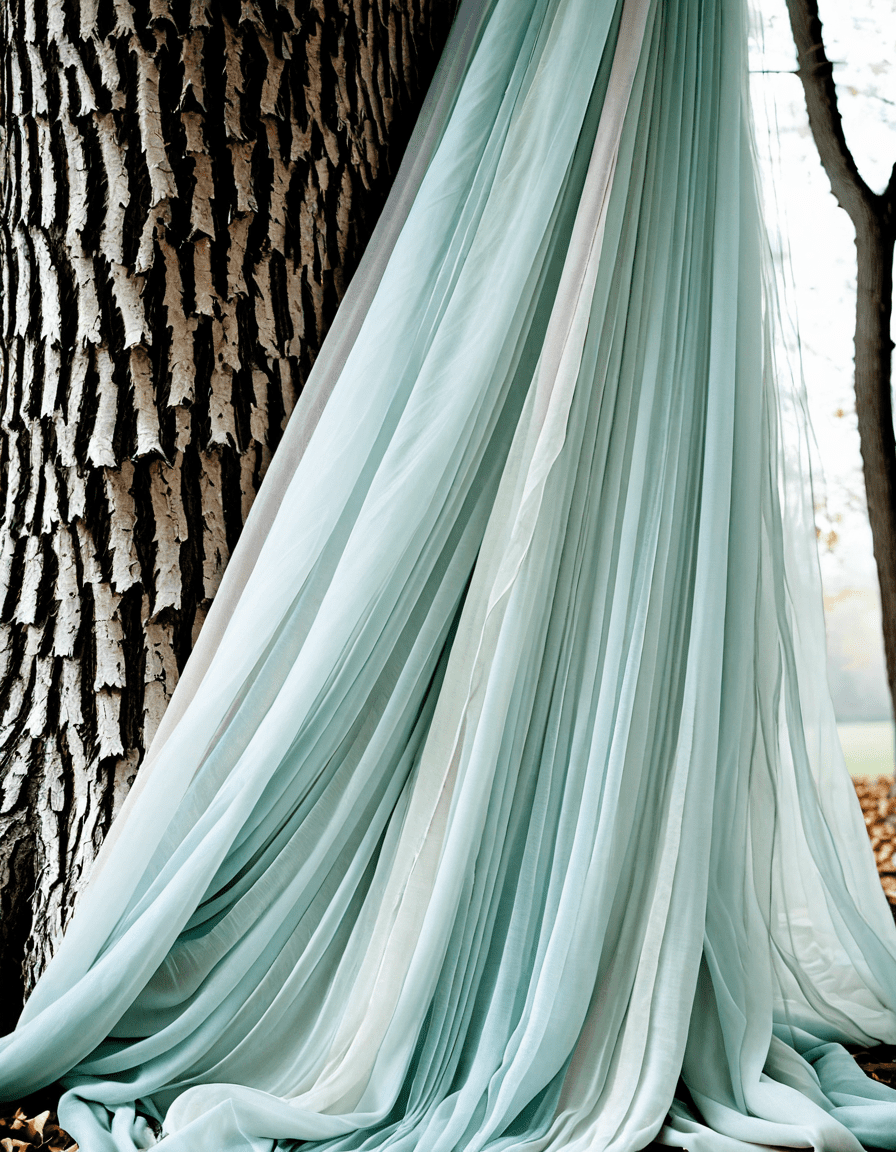
Nature’s haute couture isn’t just about the vibrant colors and rich textures we see; it’s rooted in the awe-inspiring realm of bark. Yes, bark! The thin, often overlooked layer of a tree is actually a well-crafted shield, protecting the flora that dances in every ecosystem. It’s not just there for looks, oh no! Despite its unassuming appearance, bark plays a pivotal role in the survival of plants. Comprising cork, phloem, and parenchyma cells, this multilayered marvel is your tree’s first line of defense in the wild, battling pests, shielding against temperature extremes, and regulating water loss.
The Essential Role of Bark in Plant Survival
Bark goes beyond mere aesthetic appeal—it’s a sophisticated survival tool. The anatomy of bark reveals a beauty all its own. The outer layer, known as cork, acts as a formidable barrier, preventing pathogens and pesky insects from infiltrating the tree’s inner sanctum. Beneath this layer lies the phloem, a nutrient transporter and an adept healer when the tree finds itself battered. It’s like nature’s very own superhero cape, enhancing the resilience and adaptability of our leafy friends.
The Anatomy of Bark
Knowing how bark functions can revolutionize our appreciation for nature. The cork layer might seem innocuous, but it’s practically impenetrable. In fact, the phloem’s regenerative skills not only help in nutrient transport but also allow trees to recover from damage with impressive grace. So the next time you glance at a tree, remember—underneath that rough exterior lies a world teeming with ingenuity.
Top 5 Protective Functions of Bark in Nature
Believe it or not, bark pulls off a plethora of protective functions that are essential not just for trees, but for the health of ecosystems. Let’s dive into the top five ways bark stands guard in the natural world:
1. Defense Against Biotic Threats
Bark is a plant’s armor against herbivores and pests. Take the majestic African baobab (Adansonia digitata), for example. Its tough, fibrous bark is a deterrent, as it poses quite the challenge for herbivores looking for a snack. Meanwhile, the black walnut (Juglans nigra) takes it a step further, producing defensive toxins that keep the insects at bay. Who knew bark could be such a fierce warrior?
2. Environmental Protection
Bark is also vital for temperature regulation. Consider the giant sequoia (Sequoiadendron giganteum); its thick bark insulates against the blazing heat of wildfires. By thriving in fire-prone areas, these trees preserve not just their own species but many other forms of life reliant on their presence. That’s some serious landscape-level heroism right there!
3. Moisture Regulation
Water conservation? Yes, please! The outer layers of bark, especially those on desert species like the Joshua tree (Yucca brevifolia), are specifically adapted to minimize water loss. A study highlights that these trees have a waxy coating on their bark that holds in moisture, allowing them to flourish in the arid climate without sacrificing structural integrity.
4. Resistance to Fungal Infections
Bark isn’t just tough; it comes with built-in antifungal properties. Certain birch trees (Betula spp.) release oils from their bark that repel fungal pathogens, significantly reducing the risk of sickness. These trees are like nature’s very own pharmacy, cleverly using chemistry to ensure their survival.
5. Habitat for Biodiversity
The grooves and fissures found in mature trees provide an entire universe for various species—from fungi to birds. Oak trees (Quercus spp.) can support over 500 species of invertebrates, making them invaluable to local ecosystems. Bark is not just about protecting trees; it’s about fostering an entire community!
Human Integration: Using Bark for Sustainability
In the modern world, the utility of bark isn’t confined to just trees. Companies have begun to harness the versatility of bark for sustainable products. For instance, Bark House leverages tree bark in building materials, combining aesthetics with eco-friendly practices. This approach not only minimizes waste in forest management but also emphasizes the harmony between architecture and nature.
Moreover, researchers are busy exploring compounds from bark, like tannins. These compounds possess potential in creating biopesticides and biodegradable plastics, proving that sometimes, nature holds the key to innovative solutions. Just think of the eco-conscious future we’re paving by respecting nature’s resources!
Future Perspectives: The Evolving Understanding of Bark
Scientific studies into bark’s properties suggest that we’re only scratching the surface of understanding its potential. As biologists tinker with genetic engineering to amplify the bark’s natural defenses, we could be on the verge of creating resilient forest ecosystems. Think about it—a strategy that doesn’t just focus on individual trees but instead enhances biodiversity while tackling climate change. A win-win for Mother Nature and humanity!
A New Vision for Bark
The wonders of bark are endless; they go far beyond what we initially perceive. From shielding trees against environmental stressors to fostering biodiversity and inspiring human innovation, bark illustrates nature’s brilliance. As our appreciation deepens, we’ll uncover more opportunities to harmonize our lives with the natural world, perhaps even drawing design inspiration from its multifaceted functions. In what ways can we integrate nature’s genius into our everyday lives?
So let’s raise a toast to bark—nature’s unsung hero! It may be just a layer, but it holds the power to transform our understanding of sustainability and coexistence in this beautifully chaotic world. Because, darling, sometimes protection comes from the most surprising places.
Bark: Nature’s Shield
The Protective Power of Bark
Did you know that bark serves as nature’s superhero for trees? It’s like their very own suit of armor! Bark’s primary role is to shield trees from various threats, including pests, diseases, and harsh weather. Think of it as the trees’ version of Uncle ben, offering wisdom and protection at the very core. Each tree has its own kind of bark, much like how people have unique styles and personalities—some are rough and rugged while others are smooth and refined!
The Chemistry Behind Bark
Interestingly, bark consists of a mix of layers, chiefly the outer bark made up of dead cells and the inner bark, which is active in transporting nutrients. This complex structure can even remind you of a cool Mission Impossible 7 twist—full of surprises and essential for survival! Plus, some cultures use certain tree barks for food; for instance, the Biznaga cactus can be transformed into sweet treats. Who knew that a simple bark could have such culinary versatility?
Bark in Popular Culture
Bark isn’t just important in nature; it has found its way into pop culture too. You might have come across references to bark in films like “Scott Pilgrim vs. The World,” where the wild energy of youth is captured like the tenacity of trees fighting for survival. Or consider the sensation of feeling young again, much like a high school musical cast breaking into song—a reminder of the strength and resilience innate in both trees and ourselves. So next time you see a tree, take a moment to appreciate its bark, not just as a protective layer, but as a testament to nature’s incredible ability to adapt and thrive!