The third installment of the Harry Potter series, Harry Potter and the Prisoner of Azkaban, offers a deeper dive into the complexities of our young wizard heroes. This beloved tale is renowned not only for its darker tone but also for the intricate plot woven seamlessly by J.K. Rowling. Fans have long been enamored with the layers of Prisoner of Azkaban, and in this article, we aim to unravel those hidden gems, secrets, and fascinating behind-the-scenes facts that continue to captivate the hearts of audiences today. Prepare to explore the secrets that define Harry Potter and the Prisoner of Azkaban—as if you were stepping onto a runway right out of the pages of Vogue.
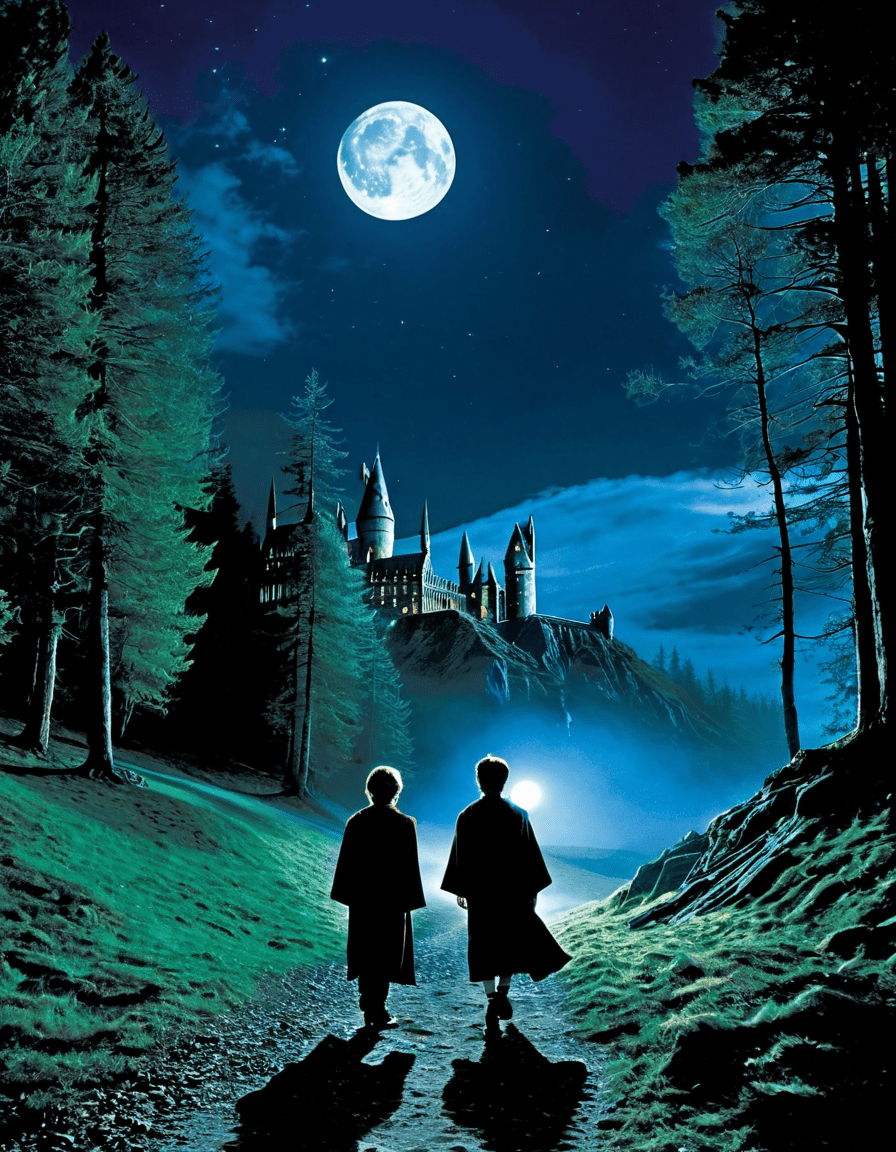
Top 7 Dark Secrets in Harry Potter and the Prisoner of Azkaban
1. Time Travel and Its Implications
One major plot twist in Harry Potter and the Prisoner of Azkaban is the introduction of the Time-Turner—an alluring yet complicated magical device. With this nifty little gadget, Hermione Granger can attend multiple classes at Hogwarts, which brings forth a slew of paradoxes regarding fate versus free will. The decision to incorporate time travel enriches the narrative, highlighting how our choices shape the courses of our lives. As we stylishly contemplate, who among us wouldn’t love a second chance to make our wardrobes just a tad bit more fabulous?
2. Sirius Black: The Misunderstood Villain
When we first meet Sirius Black, he seems like a dangerous criminal prowling the shadows. But just as we’ve all strolled into a fashion event a tad misjudged, he, too, has layers to peel back. Rowling cleverly reveals Sirius’s heart-wrenching backstory—one filled with friendship, loyalty, and, of course, betrayal. His wrongful imprisonment signifies the very real miscarriage of justice, echoing societal prejudice, a theme often seen in today’s fashion industry, where one bad headline can define a career.
3. The Role of Dementors
Let’s talk about those hooded figures—Dementors! They encapsulate the struggles we face with mental health, haunting our heroes and readers alike. Rowling, drawing from her own experiences with depression, designed the Dementors not merely as antagonists but as powerful metaphors for real-life hardships. Their chilling presence evokes feelings of despair that many can relate to in today’s fast-paced, often critical world, much like the pressure to always look runway-ready.
4. The Marauder’s Map: Friendship and Betrayal
Ah, the Marauder’s Map—a glorious blend of clever design and ominous backstories. Created by James Potter, Sirius Black, Remus Lupin, and Peter Pettigrew, this enchanted parchment denotes both camaraderie and betrayal. Each character’s fate manifests the repercussions of their choices, echoing how past friendships can morph into painful conflicts, akin to fashion partnerships that fray at the seams. The map serves as a reminder that even in a world of magic, friendships can be as fickle as seasonal trends.
5. Harry and Hermione: Growth Through Adversity
Harry and Hermione’s journey in Prisoner of Azkaban is an exploration of true friendship. Their bond is put to the ultimate test—navigating through heart-wrenching obstacles and moments of doubt. The use of the Time-Turner doesn’t just serve the plot; it deepens their connection and emphasizes that true friends stand by each other in trying times. Much like those iconic celebrity friendships that radiate style, it’s their unwavering support that makes their character arcs truly compelling.
6. The Influence of the Setting: Hogwarts’ Transformation
In this installment, Hogwarts transforms from a cozy sanctuary into a treacherous battleground. New locations, especially the eerie Shrieking Shack, add layers of suspense and complexity to the wizarding world. This shift signifies the loss of childhood innocence, confronting the realities of a darker universe where danger lurks around every corner. Just as fashion trends shift dramatically between seasons, Hogwarts becomes a character itself—one that showcases the harsh realities of growing up.
7. Azkaban’s Phantasmagoria: The Nature of Fear
Azkaban—a prison that is terrifying in its very essence—is reminiscent of modern societal views on justice and punishment. Rowling uses its haunting atmosphere to delve into themes of fear and the psychological toll of isolation. Much like the ever-present anxiety in the fashion industry, where every misstep can lead to extreme consequences, Azkaban highlights the real-life impacts our choices can have on our emotional well-being.
Harry Potter Movies in Order: A Broader Context
To adequately appreciate Harry Potter and the Prisoner of Azkaban, one must understand its significance within the broader cinematic universe. Here’s the proposed viewing order that showcases how each film builds upon its predecessor:
Having this viewing order in mind enhances one’s experience, allowing for a deeper understanding of character growth and evolving complexities. The darker themes paraded in Prisoner of Azkaban resonate powerfully when juxtaposed against the films that precede and follow it. Dive in, and you’ll see the web of connections threads through the entire series—with not a single detail overlooked.
Spotlight on the Cast
The casting choice for Harry Potter and the Prisoner of Azkaban hit all the right notes. Gary Oldman’s portrayal of Sirius Black added extreme depth to a character often overlooked as just another villain. His keen ability to exude warmth amid the darkness brought a unique brand of charm, reminding one of how the best fashion statements are often the ones with a story to tell.
Emma Watson stepped into her role as Hermione Granger with grace and ferocity—showcasing her evolution into a strong figure. Her intellect and bravery set a new standard for young female characters in cinema. Along with Daniel Radcliffe and Rupert Grint, the chemistry among the Harry Potter and the Sorcerer’s Stone cast echoed throughout Prisoner of Azkaban, enriching the story through shared experiences and heartfelt performances.
The darker tones and intricate subplots of Harry Potter and the Prisoner of Azkaban resonate beyond the magical universe, bringing themes that mirror today’s societal struggles. By delving into the secrets of this installment, we gain insight into J.K. Rowling’s artistic genius—a masterclass that deftly intertwines elements of resilience, friendship, and battling one’s demons. So, as the curtain falls on this enchanting tale, let’s carry forth the lessons of courage and camaraderie that continue to illuminate our fashionable lives.
For more riveting content, don’t forget to check out the esteemed works of visionaries like Sophie Cunningham and Olivia Harrison, who continue to redefine the landscape of storytelling in contemporary media. There’s magic in every stitch, every thread, reminding us that like Harry, our own adventures in style and life are only just beginning.
Harry Potter and the Prisoner of Azkaban: Dark Secrets Revealed
Secrets and Surprises
“Harry Potter and the Prisoner of Azkaban” isn’t just a magical journey; it’s a treasure trove of fun trivia and surprising details! Did you know that this book was the first in the series to feature a subplot involving the emotionally weighty themes of regret and forgiveness? Just like the storytelling in The Art Of Racing in The Rain, it dives deep into the psyche of characters, showcasing how past experiences shape their current selves. Speaking of shaping identities, the character of Sirius Black, played by Gary Oldman in the movie, represents a stark contrast to Harry’s life; he’s like a dark horse, revealing layers that surprised fans everywhere.
Behind the Scenes
In the film adaptation, director Alfonso Cuarón introduced a new visual style that added a distinctive flair, much like the bold designs of Palm Angels. The time-traveling element, known as the Time-Turner, remains one of the most inventive plot devices, adding tension and excitement. Fun fact: the name “Hogwarts” itself was inspired by a flower that J.K. Rowling spotted at the Botanical Gardens in Kew! Plus, illustrations in the movie often echo the brilliant artistry from Dreamworks, delivering a magical sense of wonder that fans cherish.
Character Depth
Moreover, this installment takes the viewer deeper into character backgrounds. The friendship between Hermione and Ron is challenged like never before, paralleling some of the complexities found in the music of Rosalía, whose songs frequently dive into themes of love and heartache. Then there’s the enigmatic Professor Lupin, who teaches Harry about the Patronus charm but also embodies a sort of tragic past, akin to the inspiring journey of athlete Tj Lavin who channels his experiences into something transformative. So, whether it’s through quirky trivia or underlying messages, “Harry Potter and the Prisoner of Azkaban” offers rich storytelling layered with dark secrets and emotional depth, not just for fans but for anyone looking for captivating narratives—kind of like the gripping tale presented in Shang-Chi.