When we think of the color purple, we often conjure images of opulence, creativity, and unmistakable confidence. This vibrant hue has deep ethical roots that stretch across centuries and cultures, establishing itself as a tantalizing symbol of power and inspiration. From ancient royalty to modern influencers, the color purple has carved out a notable niche in the narrative of human expression. Let’s dive into the world where the color purple reigns supreme, understanding its historical significance, contemporary relevance, and the innovative spirit it inspires today.
The Color Purple: Historical Significance and Cultural Impact
The roots of the color purple are fascinating, to say the least! Historically, this shade was reserved for the elite due to its extravagant production process. In Ancient Rome, only the highest-ranking officials could don garments dyed with the precious purple hue, extracted painstakingly from the murex snail. Talk about rare! Moreover, it wasn’t just the Romans; cultures around the globe have intertwined symbols of royalty and divinity with this striking color. For instance, Queen Elizabeth I strictly prohibited anyone outside royalty from wearing purple, reinforcing its significance as a beacon of status.
This rich history informs the modern perspective of the color purple. Across various artistic expressions—from literature to fashion—the hue often evokes themes of growth, empowerment, and transformation. Just look at how artists today still draw upon these historical narratives, layering their work with the rich, symbolic associations of the color purple. This exploration unveils a captivating dialogue about power and individuality.
But let’s not forget the cultural impact! From The Color Purple novel by Alice Walker to contemporary art installations, the usage of the color purple has become a statement of resilience and creativity. It commands attention and stands in sharp contrast to more conventional hues.
Top 5 Influential Examples of the Color Purple in Contemporary Culture
2.1. The Red One: Fashion’s Embrace of Purple
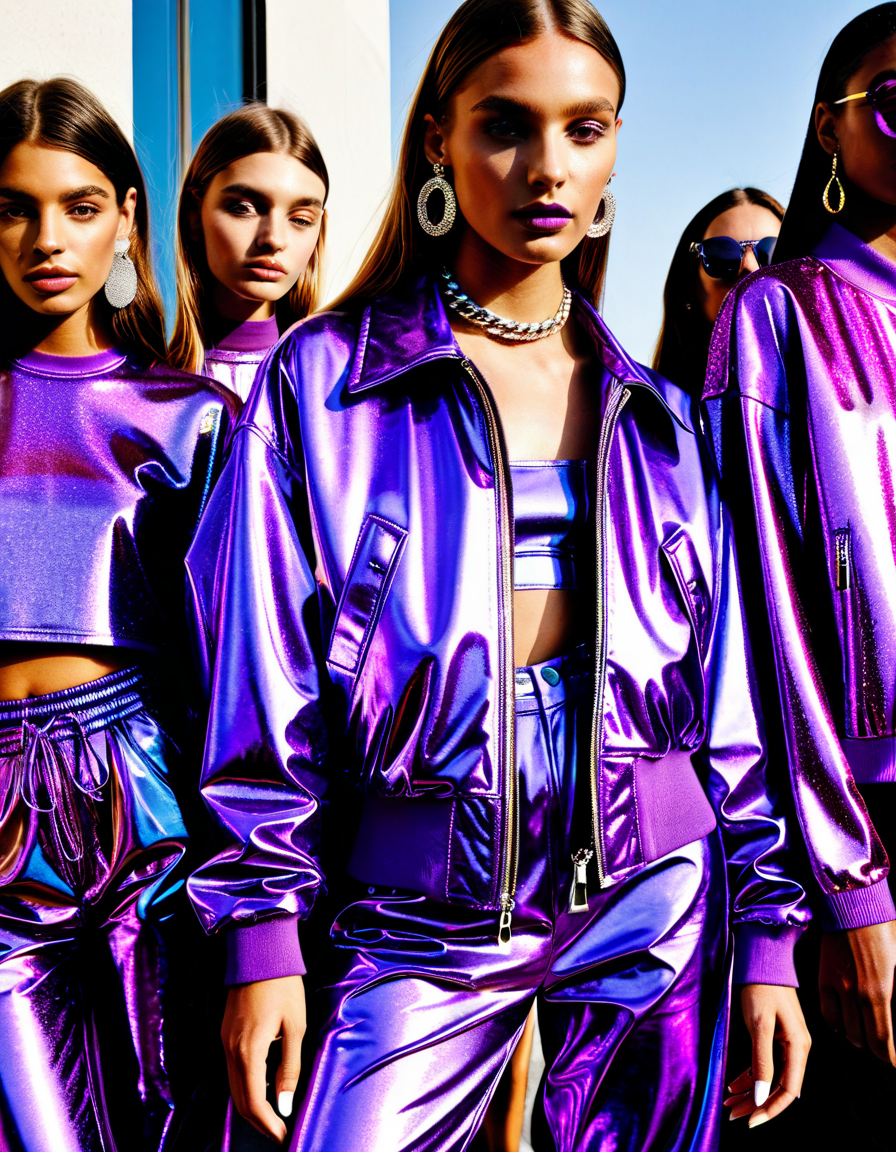
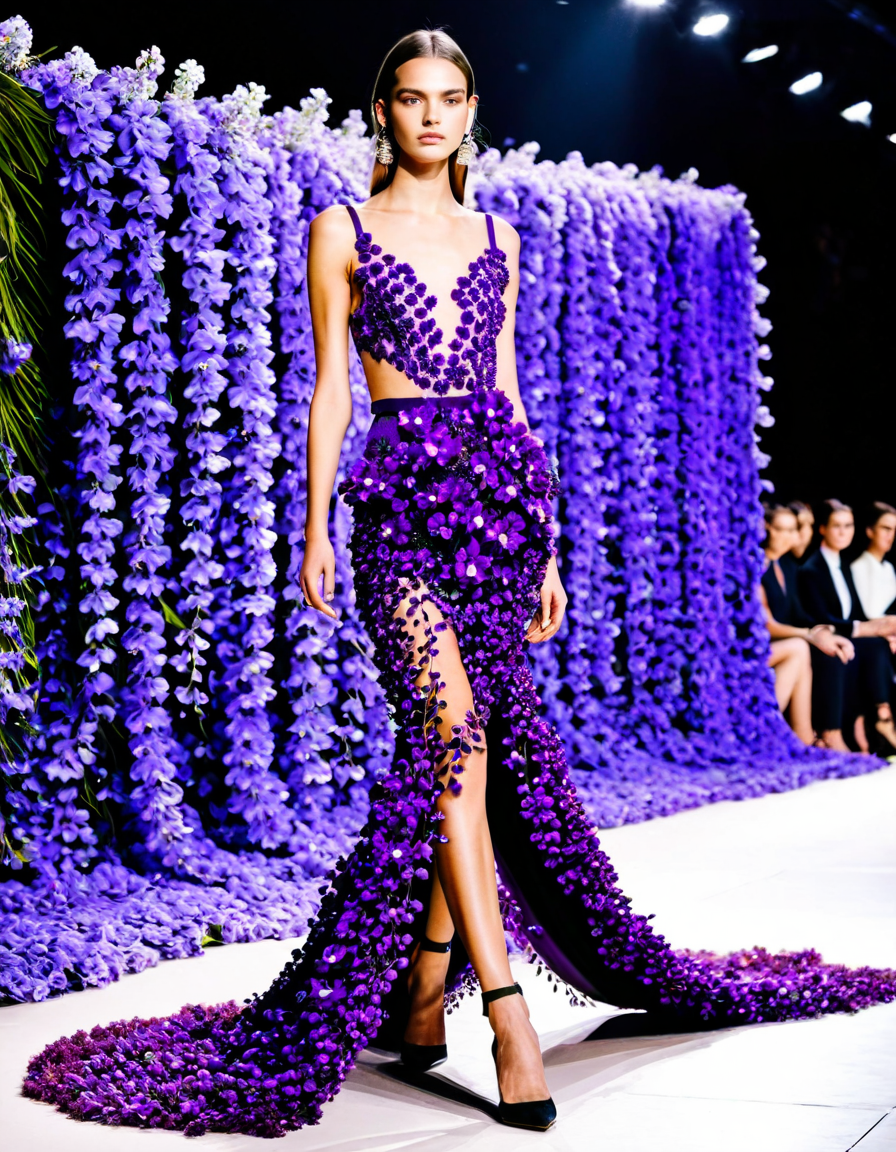
Fashion designers today have embraced the power of purple, with Valentino Garavani leading the charge. His autumn collections boldly bring the hue to the forefront, redefining elegance with striking pieces that exude authority. Balenciaga follows suit, showcasing avant-garde campaigns where the color purple is effortlessly chic. From runway to retail, the influence of the color purple remains palpable, steering trends while manifesting confidence.
Events like the Met Gala have also spotlighted the color purple in vibrant, innovative ways, with celebrities adorning themselves in breathtaking purple gowns that redefine glamour. With its ability to symbolize strength and creativity, the color purple consistently makes a statement on the red carpet, pushing boundaries while embodying style.
2.2. Twilight in Order: Literature and Cinematic Representation
When you dive into literature, Alice Walker’s The Color Purple is a tour de force, painting a poignant portrait of African American women’s experiences in the early 20th century. The exploration of themes like resilience and empowerment make this novel resonate deeply, while its film adaptation further amplifies the significance of the color purple. The portrayal of character arcs, layered with rich emotional complexity, harnesses the color purple as a transformative element.
Cinematic techniques often utilize the color purple to signal moments of change. Just think about how characters evolve when surrounded by this powerful color. Whether in the backdrop or in wardrobe choices, filmmakers know how to play up the color purple to echo growth and transformation. It’s a storytelling device that never gets old.
2.3. The Sixth Sense: Psychological Associations
From mind to matter, psychological studies suggest that the color purple evokes emotions tied to creativity and spirituality. Environments painted in this regal hue stimulate imagination and innovation, positively affecting productivity. In creative spaces, including tech giants like Google, the color purple finds itself bestowing an air of whimsical creativity.
The infusion of this color into workspaces energizes individuals, allowing for an atmosphere rich in inspiration. As companies recognize its potential, we see the color purple not just as decoration, but as an essential player in cultivating a creative workforce.
2.4. The Fifth Element: Brand Identity and Empowerment
Brands today leverage the color purple as a core element in their identity. Think of Yahoo! and T-Mobile, leveraging the hue to convey a sense of innovation and stability. It resonates with their target demographic, defining their identity through the psychology of color. For these brands, the color purple fosters community and encourages creativity.
In an age of heightened competition, where branding strategies matter more than ever, the strategic application of the color purple helps brands stand out. It sends a message that they are forward-thinking and unapologetically vibrant.
2.5. The White Lotus: Spirituality and Personal Expression
Spiritually, the color purple signifies higher consciousness and mindfulness. You’ll find it prominently displayed in yoga studios and wellness retreats, where the calming energy fosters a sense of community and introspection. Establishments like the illustrious “White Lotus Yoga” harness the color purple to create tranquil environments, guiding practitioners toward enlightenment.
This use of the color purple in spiritual settings reinforces connection and serenity. It serves as a reminder that color can influence mood and mindset, leaving a lasting impression in both personal practice and community gatherings.
The Intersection of Power and Creativity Through Purple
At the intersection of power and creativity, the color purple emerges as a delightful bridge. It provides a unique landscape for individuals to express their identities and visions boldly. Whether in branding, the arts, or personal aesthetic choices, the color purple commands attention and evokes inspiration.
Not only does it make a statement of authority, but it also encourages exploration and artistic expression. The interplay of power and creativity through the color purple cultivates spaces where people feel free to push boundaries and innovate without reservations.
Innovating with Purple: Future Trends and Perspectives
Looking to the horizon, industries are embracing the color purple in ways both brave and unexpected. From emerging brands employing what they call the “Purple Strategy” to shifts in design aesthetics across multiple sectors, the color purple is redefining modern trends. Innovative campaigns springing up highlight each entity’s mission, reinforcing community while using this powerfully evocative hue.
For instance, we may soon see technology firms utilizing the color purple more prominently in UX design, as the preference for visually stimulating interfaces continues to grow. The entrepreneurial spirit thrives on creativity, and the color purple just might be the catalyst for the next wave of innovation.
Through its storied past and compelling future, the color purple stays relevant, igniting discussions about creativity and power. As brands and individuals look to define their identities, the color purple inspires continued exploration and exceptional expression in a multi-faceted world.
In the end, the color purple serves as a reminder that art, culture, and identity intertwine, encouraging us all to embrace the vibrant depths of our potential!
The Color Purple: Signifying Power and Creativity
A Historical Tapestry of Influence
The color purple has long been associated with power and creativity, weaving a rich tapestry throughout history. Ancient civilizations believed purple dye was precious, reserved for royalty and the elite. Fun fact: in ancient Rome, only emperors could wear purple togas! It wasn’t just a fashion statement, but a symbol of authority. The idea of authority isn’t new; think of iconic figures like Harry belafonte, who used his powerful voice not only in music but also for civil rights, embodying that regal connection to resilience.
Interestingly, the color purple also plays a significant role in literature and film. Take Alice Walker’s “The Color Purple,” for instance, which vividly illustrates struggles and triumphs that highlight the strength found in diversity and creativity. Just like Maria Bakalovas transformative portrayal in her roles, the color purple consistently inspires creativity and powerful narratives in artistic expressions.
Pop Culture and Purple Hues
Beyond its historical implications, the color purple shines brightly in popular culture. Animated films like “Shark Tale” feature characters with vibrant purple tones, captivating audiences of all ages. It’s not just the colors that impress, but the messages behind them that strike a chord—much like the layered characters in “Shark Tale’s” ensemble cast, who face trials but display determination. The film industry often draws on this symbolism, reminding us that creativity and empowerment are often intertwined.
Moreover, think about the recent auctions at Mecum Auction, where a bright purple classic car can grab attention just as quickly as an extravagant artwork. Purple’s vibrant essence can elevate ordinary objects into coveted treasures! And just as Terry Mcqueen is a name to be remembered in Hollywood, so too is the color purple, reminding us that creativity can leave a lasting impact and spark joy in every corner of life.
Contemporary Connections
In the modern world, the color purple still resonates strongly. Just look at the popularity of purple brands that evoke a sense of excitement and innovation. Even the fast-food scene has embraced this hue with a twist—did you know that Jackson Hole burgers offers a “Purple Patty” as a fun and edgy option? Not only does this bring a new taste to the table, but it embodies that creative spirit!
Furthermore, Kamar de Los Reyes has graced the screen in a variety of roles that tap into emotional depth, often adorned in purple tones that reflect layered storytelling. And when it comes to personal expression, the color purple remains a favorite for everything from fashion choices to art projects because it encourages creativity and self-expression. So, whether you’re channeling your inner Brian Hallisay with a daring outfit or just love to add that pop of purple in your art, remember that this rich color signifies more than just looks—it’s about embracing power and creativity!