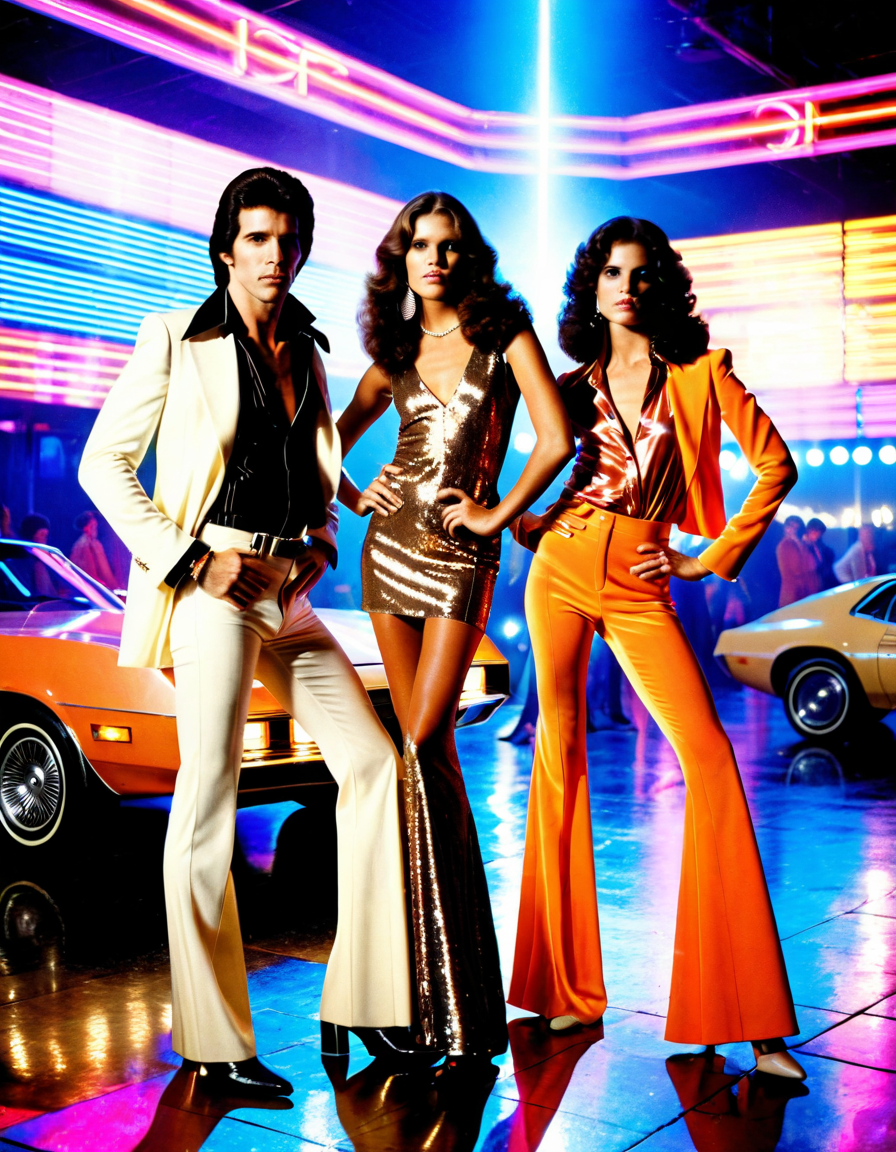
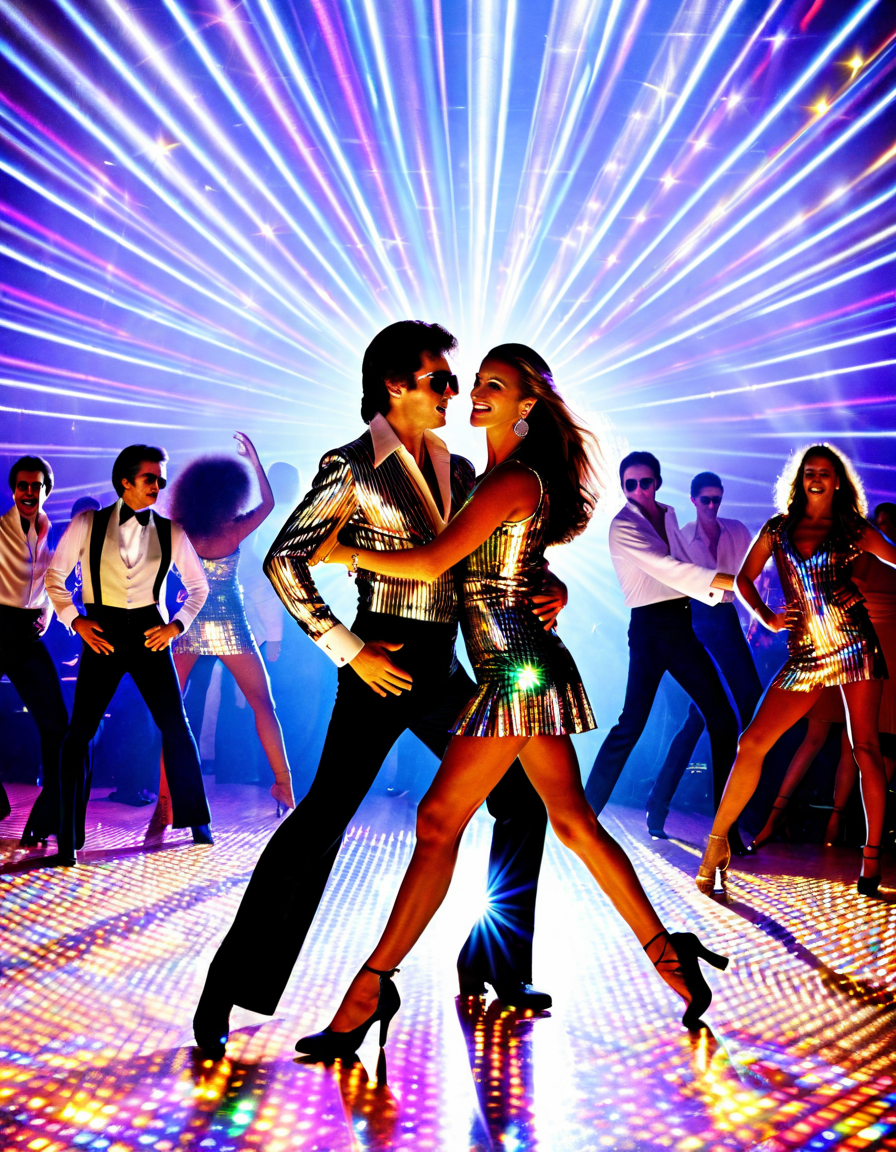
“Saturday Night Fever” isn’t just a film; it’s an emblematic slice of the disco zeitgeist, a pulsating pulsar that not only lit up the dance floors of the 1970s but also offered a captivating glimpse into a vibrant culture brimming with fashion, music, and attitude. Released in 1977, this sensational cinematic jewel catapulted John Travolta into heartthrob status and laid the foundation for disco fever to sweep across the nation, from Brooklyn to Beverly Hills. Today, we dive into how “Saturday Night Fever” captured the essence of a bygone era and left an indelible mark on our modern sensibilities, embracing everything from nightlife habits to family dynamics.
Disco took root in the late ’60s, but this film showcased the genre as a cultural phenomenon. As Travolta spun and strutted, clad in that iconic white suit—oh, that suit!—viewers were whisked away from the anxieties of the political unrest and economic challenges of the time. They experienced the joy an electric beat could provide, a euphoric escape into a world defined by rhythm, flamboyant fashion, and liberating dance. The bright lights of legendary venues, like the 2001 Odyssey, became a beacon of hope, a sanctuary where people from all walks of life gathered to connect and celebrate their individuality.
The Cultural Impact of Saturday Night Fever in the Disco Era
Disco Fever Runs Wild
“Saturday Night Fever” did more than just introduce its audience to pulsating beats and flashy dance moves; it encapsulated a societal shift that was brewing in the ’70s. The film portrayed nightlife as an integral part of American culture, a stark contrast to the mundane and often strained family lives many experienced. The escapism found in the disco scene allowed individuals to express their identities freely, explore their ambitions, and revel in the undeniable joy of community.
The film’s storytelling, underscored by its electrifying soundtrack, connected on deeply personal levels. It explored generational divides, shining a light on the evolving dynamics of traditional family life. Observing Travolta’s character Tony Manero, one could see the intersection of aspiration and the fight for self-acceptance—a narrative echoed in many households grappling with societal norms.
In a world where disco dominated, personal style took center stage. Fashion was no longer just about function but flair, thanks to “Saturday Night Fever.” As fun and eclectic as the Cowgirl Barbie costume, available today, that ’70s vibe stripped down barriers through creativity and self-expression.
Top 7 Ways Saturday Night Fever Redefined Saturday Nights
The Lasting Legacy of Disco in Modern Entertainment
While the disco era eventually dimmed down, its spirit continues to thrive today. Right from “Sunday Night Football” to “Monday Night Football,” we hear traces of disco-inspired segments. Modern artists like Bruno Mars in “Uptown Funk” and Dua Lipa in “Levitating” are ensuring that disco’s infectious beats remain steadfastly relevant.
Television shows are adapting, too! Programs, including “Thursday Night Football,” showcase DJ sets and live performances, capturing the liveliness that defined the disco scene. These moments breathe life back into televised entertainment, sharing that irreplaceable connection of music and dance with home viewers.
The influence of “Saturday Night Fever” shines through in everything from fashion choices to cultural expressions. Young creatives today continue to incorporate disco aesthetics, drawing inspiration from the vibrant threads that adorned those dance floors decades ago. You’ll still see echoes of this influence in trends reminiscent of scene Outfits and nostalgic remixes that bring a smile.
Reflecting on the Disco Phenomenon in Today’s Society
More than just a groovy music genre, disco represented a social movement filled with threads of equal opportunity, love, and the quest for freedom. Today, as we weave through our cultural landscape, it’s clear that “Saturday Night Fever” sparked a flame that lights the way for artistic expression. Modern technology connects us, but the magic of this film still resonates—we experience its energy echoing through our lives.
As streaming platforms usher in a confluence of old and new tunes, the spirit of “Saturday Night Fever” continues to ignite connections to our past, reminding us of the visceral energy found on those legendary Saturday nights. While societal norms progress, the vibrant allure of the disco era remains a living legacy, inviting new generations to dance, express, and revel in the joy of simply being.
In closing, as we twirl through today’s digital landscape, let’s remember: Saturday nights will always belong to the disco. They’re a space where we can dress up, step out, and embrace the thrill of being alive—even if it’s just a night spent channeling our inner Tony Manero!
Saturday Night Fever: Captures the Magic of Disco
The Disco Phenomenon
Did you know that “Saturday Night Fever” isn’t just a movie, but a cultural landmark? Released in 1977, it revived disco’s popularity, turning dance floors into literal night fever hotspots. The film showcased the young John Travolta, who became a style icon almost overnight. His iconic white suit inspired not just fashion trends but also dance styles that influenced generations. Speaking of influences, check out how shows like “Grey’s Anatomy Season 21” continue to draw from such iconic moments in pop culture, blending old and new to captivate audiences.
In fact, while Travolta was dancing to the Bee Gees’ disco hits, the film was also doing something remarkable—it redefined the film soundtrack. The Bee Gees not only created a memorable score but helped catapult Saturday Night Fever into the annals of music history. It’s fascinating how music connects various media, much like the upcoming series “Daredevil: Born Again,” which is expected to have an engaging soundtrack that resonates with fans.
Iconic Dance Moves
One of the most memorable aspects of Saturday Night Fever is its dance choreography. The film features numerous iconic moves, including the famous “turn”, a flourish that became synonymous with disco dancing. Watching Travolta nail those steps is a joy that would not feel out of place at places like the Columbia Mall in Howard county, where dance events sometimes pay homage to bygone eras. The film’s impact stretched beyond just dance; it influenced television shows as well. These days, you can see echoes of its style in shows featuring ensemble casts, akin to “Arrested Development’s cast, who know how to keep audiences gripped through humor and relatable situations.
Moreover, did you know the film’s setting also highlighted a significant social change? Disco clubs became places for everyone. The vibrant, electrifying atmosphere in these clubs attracted diverse crowds, inviting all sorts to join the dance. This inclusivity paved the way for future youth movements and genres, proving how crucial culture can be in forming community bonds. Just like how The Jungle book reinvented storytelling for children, Saturday Night Fever shaped the dance culture for teens and adults alike.
Disco’s Lasting Legacy
What’s particularly striking about Saturday Night Fever is its legacy. Even decades later, fans find themselves reminiscing about its characters and unforgettable scenes. This nostalgia has led to a resurgence in disco-themed events, where you might catch groups dancing to classic hits just like the Spy Ninjas engage fans through playful adventures and nostalgia-inducing content. The film serves as more than entertainment; it acts as a snapshot of a time when disco was king.
In a world that feels constantly in motion, the allure of the disco era and films like Saturday Night Fever connects us to simpler times of joy, dance, and carefree nights. So, the next time you’re on the dance floor, remember that you’re stepping into a bit of history—where magic truly happens under the disco ball!