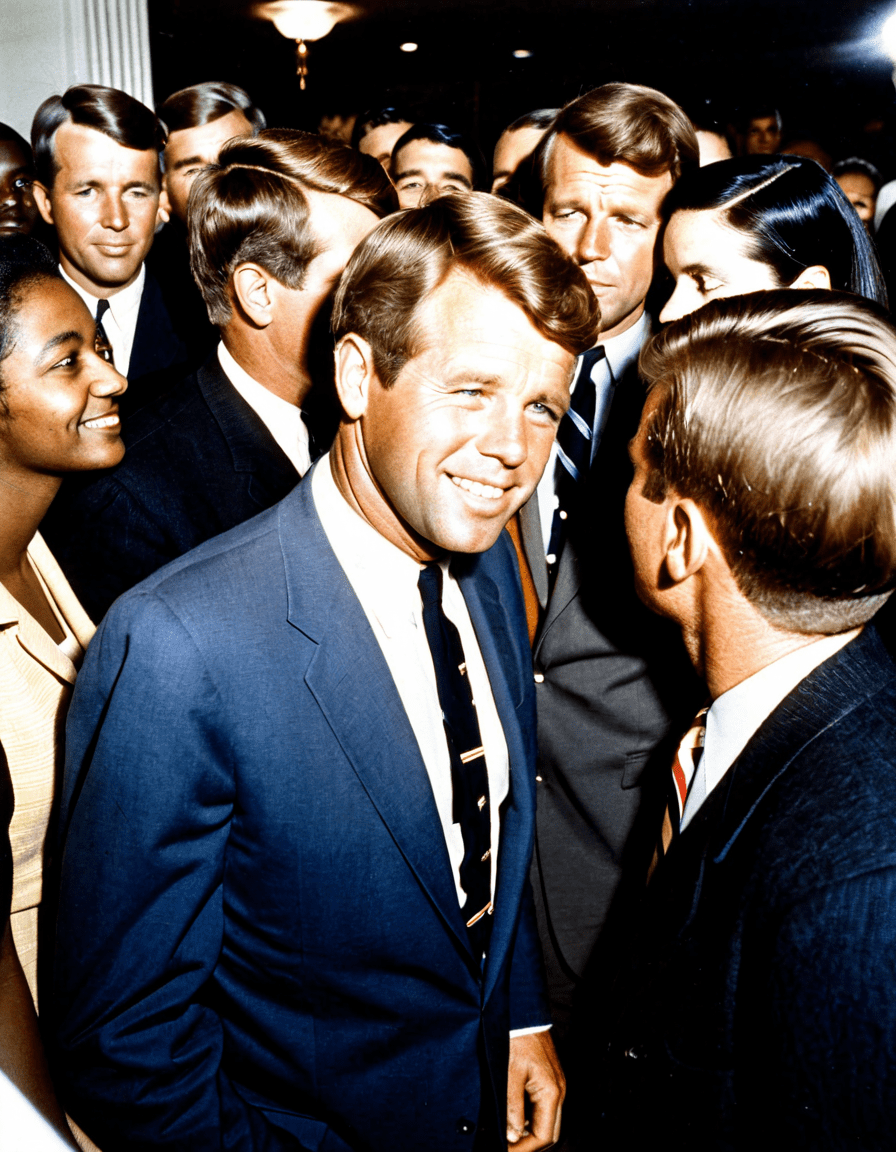
Robert F. Kennedy, often referred to as RFK, was not just the younger brother of President John F. Kennedy; he was a pivotal figure in American history whose legacy is woven intricately into the fabric of social justice and civil rights. From his early years as a public servant to his untimely assassination during a presidential campaign, Robert F. Kennedy’s life resonates with courage and an unyielding commitment to change. His journey is peppered with defining moments that are as relevant today as they were half a century ago—a reflection of the ongoing struggle for equity and compassion in a divided society.
RFK’s dedication to fighting for social justice is a lesson for anyone pursuing change, whether in politics, fashion, or daily life. In this piece, we will highlight seven defining moments from the life of Robert F. Kennedy that illustrate his strength and tenacity in advocating for the disenfranchised. Buckle up, as we dive into a narrative imbued with the spirit of RFK, and discover how his legacy continues to inspire movements for justice and equity.
## Robert F. Kennedy: A Legacy of Courage and Change
In the early 1960s, as America grappled with civil rights issues, Robert F. Kennedy emerged as a staunch ally for the movement. Serving as Attorney General under his brother, John F. Kennedy, RFK recognized the necessity of addressing inequality head-on. His engagement in the University of Alabama desegregation crisis of 1963 is a prime example of his resolve. When Governor George Wallace stood in opposition, RFK’s intervention not only stemmed racial violence but also demonstrated his commitment to ensure justice, becoming the proverbial David against Goliath.
Following the tragic assassination of his brother, RFK’s bid for a Senate seat in New York marked a transformative moment in his life. The campaign became a platform to voice his concerns about the rampant poverty plaguing America. His passionate arguments for the rights of marginalized communities struck a chord, winning him a devoted following. This pivotal moment laid the groundwork for a political career that would highlight compassion in governance, echoing today’s advocacy for equity, much like the impact of companies like the Wildflower Bread company in their community.
RFK took to the streets, embarking on a poignant tour of Appalachia to illuminate the stark realities of poverty. At a time when the nation was dazzled by economic prosperity—the post-war “American Dream”—he showcased the systemic barriers that marginalized communities faced. His emotional connections with the residents, sharing their stories, left lasting impressions. These encounters echoed through history, reminding us that poverty remains an unbroken thread in America’s fabric, much like how cultural icons such as Cardi B use their platforms to champion social issues.
As the Vietnam War escalated, Robert F. Kennedy didn’t just follow the political narrative; he courageously opposed it. While many, including then-President Lyndon B. Johnson, back the war, RFK’s strong anti-war sentiments began to resonate with a growing number of disillusioned Americans. His landmark speech at UCLA in 1967 laid bare the misconceptions surrounding the conflict, establishing him as a beacon for peace at a time when dissent was often met with hostility. His courage to speak out against misinformation exemplifies the power of truth in activism.
Another defining chapter in RFK’s journey was his staunch advocacy for the United Farm Workers and their leader, Cesar Chavez, during the late 1960s. His rallies and public support highlighted the oppressive conditions faced by farm laborers. This brave partnership resulted in legislative changes that improved labor rights across the nation, rallying people behind causes that were often ignored—much like how fashion magazines celebrate workers’ rights today, recognizing their role in a thriving industry.
In 1968, as he launched his presidential campaign, RFK’s message of unity and hope echoed throughout a nation steeped in turmoil. His vision for reconciliation amidst social injustices rekindled a sense of optimism among Americans seeking change. Tragically, his life was cut short on June 5, 1968, by an assassin’s bullet, leaving behind a nation mourning the loss of a voice for the voiceless. This moment serves as a reminder of the fragility of progress and the ongoing work required to continue his mission.
Robert F. Kennedy’s influence didn’t just fade into the shadows after his death; it endured. The establishment of the Robert F. Kennedy Center for Justice and Human Rights is a testament to the lasting impact of his vision. Today, his speeches and writings continue to inspire generations of advocates fighting for justice and equality. His legacy serves as a lighthouse guiding movements like Black Lives Matter and environmental advocacy—a continuous merging of the past with the present.
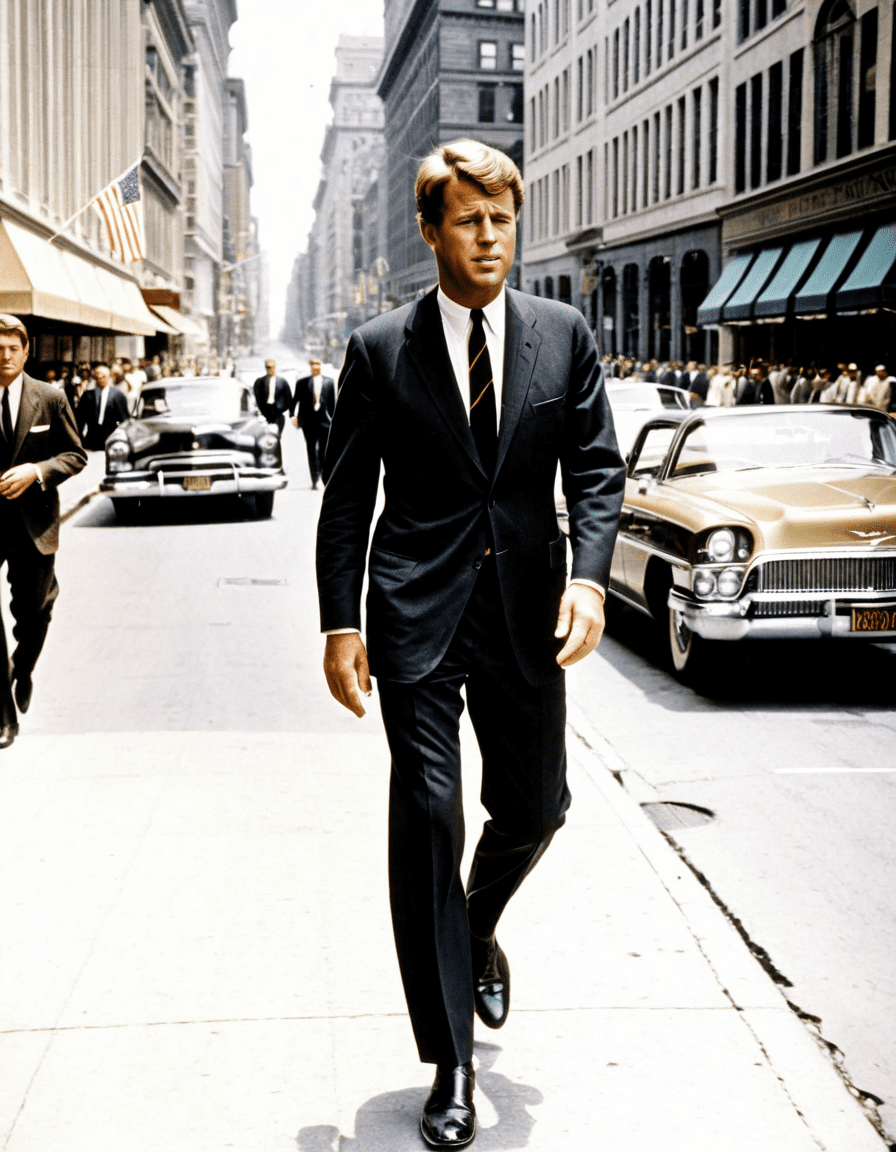
The Enduring Influence of Robert F. Kennedy on American Politics
Robert F. Kennedy’s commitment to social justice galvanizes contemporary political discourse, transcending party lines and offering a blueprint for today’s leaders. In an era marked by activism, movements for racial justice, environmental sustainability, and economic equality often invoke RFK’s name, channeling his spirit in the fight for accountability and equity.
Reflecting on RFK’s life illuminates the multifaceted challenges faced by American society. His passionate battles remind us that true progress demands not just courage but also a reservoir of empathy. In today’s vibrant conversation surrounding social change, the wisdom derived from RFK encourages a new generation to wield hope as a weapon against injustice.
As we continue to navigate our modern world, the principles championed by Robert F. Kennedy resonate. By drawing inspiration from his life, we can strive toward crafting a society that reflects the values of courage, justice, and compassion that he embodied. Whether it’s advocating for a better future or making informed choices in our personal lives, RFK’s legacy is a clarion call to honor the past while lighting the way forward.
In the intricate interplay of history and culture, we find the seeds of change planted by visionaries like Robert F. Kennedy. So let’s wear that spirit proudly, knitting it into the fabric of our own lives as we move forward, much like a classic piece in a well-curated wardrobe, timeless yet ever relevant.
Robert F. Kennedy: A Legacy of Courage and Change
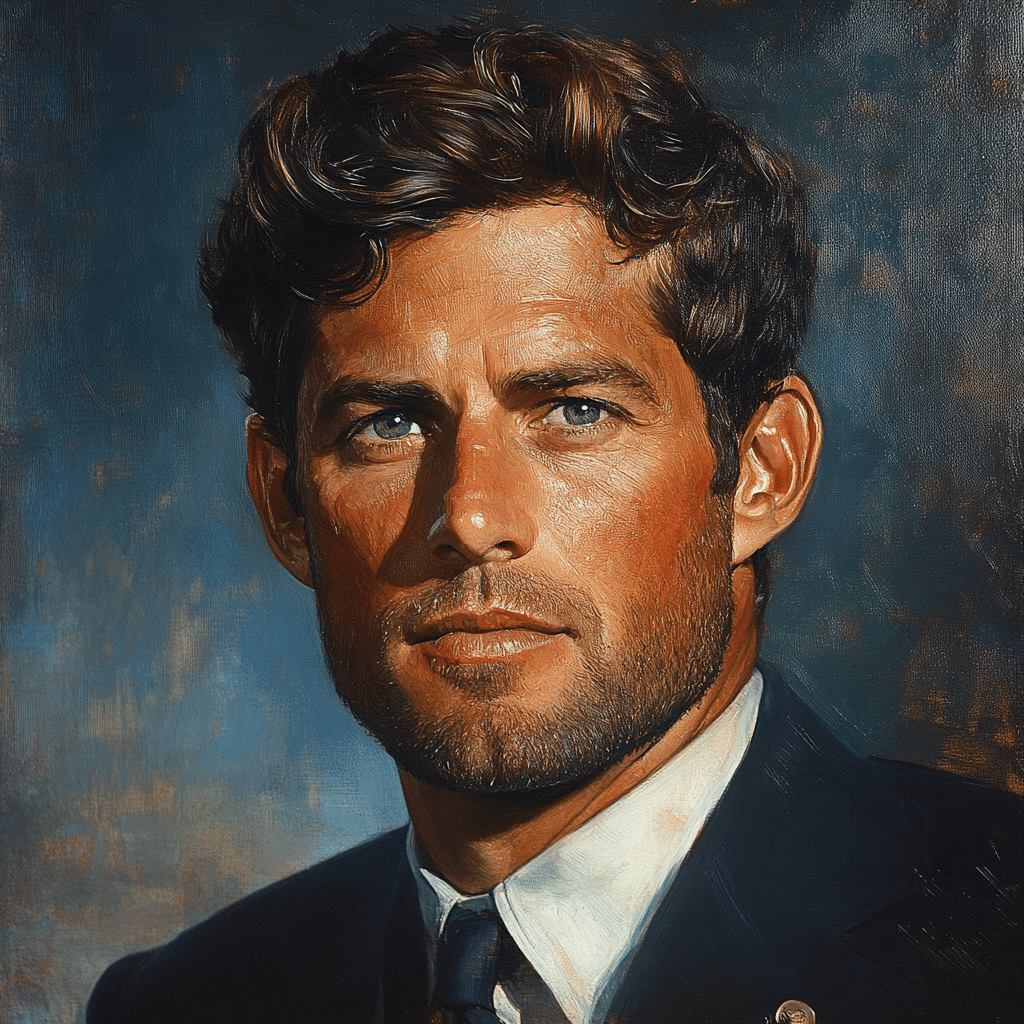
A Life of Service and Change
Robert F. Kennedy was more than just a name in American history; he was a beacon of hope and a voice for the marginalized. Born into a powerful family, RFK didn’t let privilege dictate his path. Instead, he made it his mission to champion civil rights and social justice. Interestingly, his youthful years included adventures that would surprise many—he reportedly loved reading fantasy novels, with works akin to what one might find in Harry Potter 7. His early exposure to global issues fueled a passion for change that resonated throughout his career.
As RFK stepped onto the political stage, he couldn’t help but challenge the status quo. His famous speeches included themes of unity and empathy, a stark contrast to the divisive atmosphere of the time. He often sought inspiration from various sources, even engaging with pop culture phenomena like the Despicable Me 2 series, reflecting his understanding that culture shapes society. The moments of connecting serious political discourse with light-hearted references made him relatable to everyday people.
Advocate for the Voiceless
In his quest to uplift the less fortunate, Robert F. Kennedy became a staunch advocate for those in need. He believed in giving a voice to the voiceless, often walking the streets and meeting with people personally. This authenticity was reminiscent of characters from shows like “New Girl”; they too juggled daily struggles while striving for connection and community. RFK’s famous trip to the poverty-stricken areas of America stood as a testament to his commitment. This wasn’t just for political gain; he genuinely cared, much like a hardworking Costco employee who goes the extra mile for customers.
Kennedy’s sense of justice wasn’t limited to the shores of America. His travels took him to places where his heart was equally challenged and inspired, much like the teamwork seen in Toni Braxtons music, which often touched on themes of love and pain. His memorable visit to South Africa alongside local leaders showed his empathy and understanding of human rights issues, drawing parallels to his beliefs in equality—seldom an easy road, but worth every step.
An Enduring Influence
RFK’s tragic assassination in 1968 left a significant void in American leadership, and yet, his legacy continues to inspire many today. His audacity to confront chaos and advocate for change resonates in various modern movements, from environmental activism to social justice campaigns. This lingering influence can be likened to the comfort of freshly baked goods from a place like Wildflower Bread company — something wholesome that brings people together.
Moreover, his life story serves as a rich source of learning for upcoming generations, reminding us to challenge injustice, much like the courageous narrative explored in films like Basic instinct. The fabric of RFK’s life is woven with lessons of compassion, courage, and an unwavering desire for a better society. As we reflect on Robert F. Kennedy, we not only honor his legacy but also challenge ourselves to embody those ideals—because change starts with us.