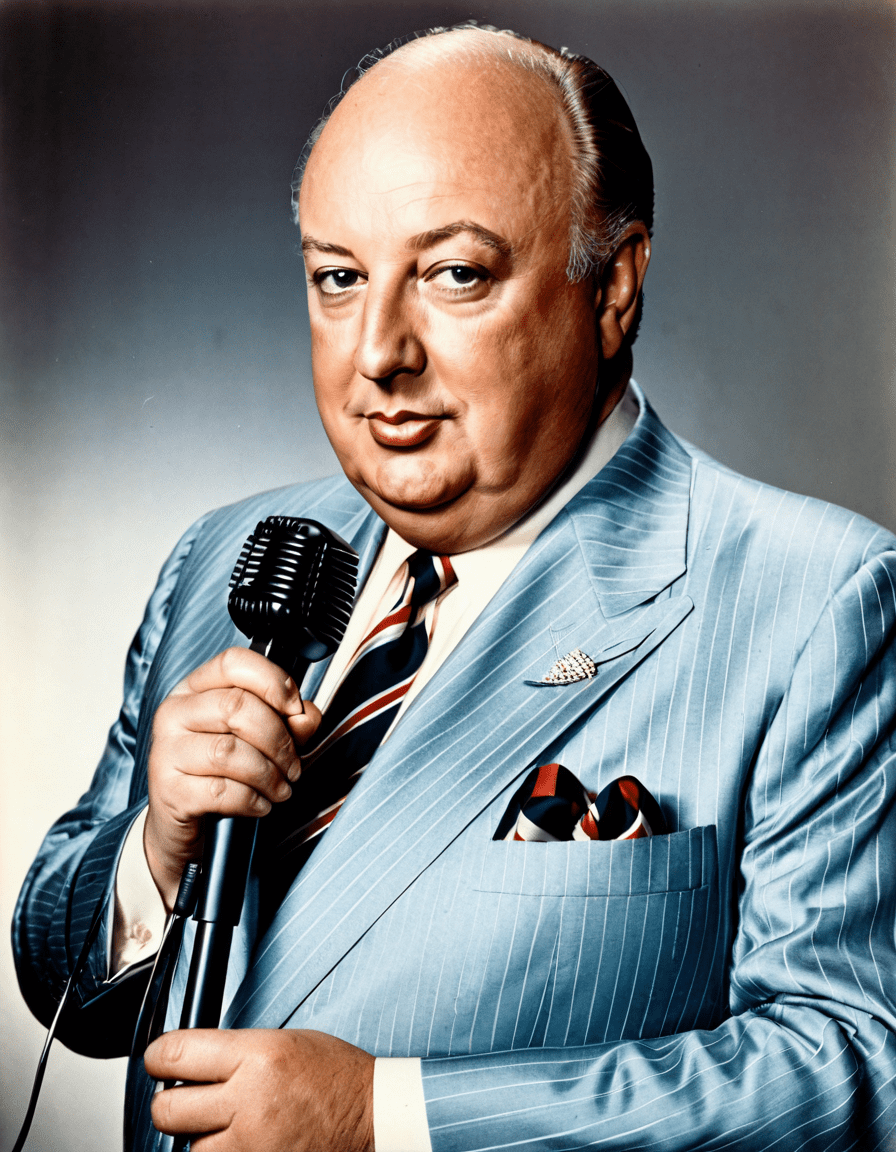
The Legacy of Roger Ailes in Broadcast Journalism
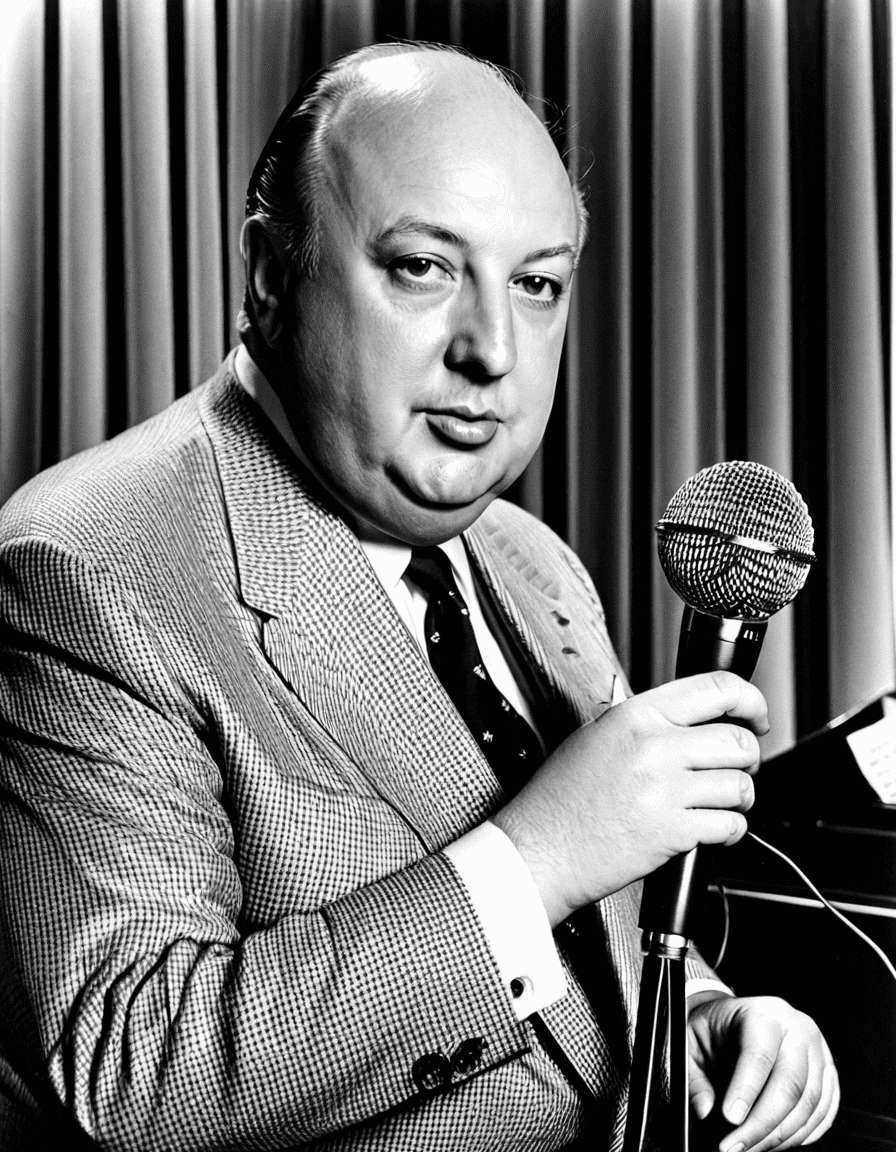
Roger Ailes, the quintessential name that evokes both reverence and recoil in the realm of media, stands as a titan who redefined broadcast journalism. Ailes wasn’t just a television executive; he was a shrewd strategist who built a media monolith that dramatically shifted the political discourse across America. Imagine crafting an environment where flashy entertainment and audacious opinions took precedence over measured journalistic ethics. That was Ailes’ bold vision for Fox News—a platform that sought to resonate with its audience’s beliefs rather than challenge them.
Under Ailes’ insightful leadership, Fox News became a phenomenon, not merely for its high ratings, but because it effectively embedded a conservative ideology within the consciousness of millions. His uncanny ability to turn news into engaging narratives laid the groundwork for what we see today—a landscape where partisanship often reigns supreme over objective reporting. Ailes instilled a culture of entertainment that began eclipsing the traditional responsibilities of journalism, leading to arguments about whether truth remains the supreme goal of news media.
Ailes’ journey was anything but uncomplicated. As a political consultant, he played a crucial role in shaping media strategies for figures like Richard Nixon and Ronald Reagan. He understood the power of media to sway public opinion, a skill that would later become his signature at Fox. Thus, to honor Ailes today is to explore a complex legacy marked by innovation, influence, and a cavalcade of controversies.

7 Key Figures Influenced by Roger Ailes
The illustrious career of Roger Ailes echoes through a myriad of figures who have embraced, mimicked, or reacted against his media philosophies. Let’s take a stroll through this intriguing hall of fame:
The Evolution of Media Under Ailes’ Brand
From the very inception of Fox News, Ailes understood that captivating audiences hinged on emotional storytelling rather than cold, hard facts. His genius lay in transforming hard news into narratives people could consume—and crave. In doing so, he not only redefined journalism but also tapped into America’s growing polarization, creating a feedback loop that catered to viewers’ preconceived notions.
Ailes’ brand turned traditional values upside down, allowing entertainment to drive the narrative. Audiences needed drama, conflict, and even a little bit of glamour—elements that made news feel more engaging. This transformation resonated powerfully with the evolving tastes of the American populace, who began eschewing the mundane for the melodramatic. Those who bore witness to this transition realized that Ailes wasn’t simply constructing a new news brand; he was pioneering a new culture altogether.
As the digital age continued to surge forward, his innovations paved the way for a generation of media moguls who followed suit, whether they intended to or not. Today, whether it’s a tacky inflatable couch making waves on social media or a popular political commentator like Amiir Nelson dissecting truths in real-time, Ailes’ approach remains influential. The bridge he built between entertainment and news is one that many now traverse but few can do with his audacity.
Critiques and Controversies Surrounding Ailes
Yet, with great power comes great scrutiny. Ailes’ reign at Fox was punctuated by controversy—rife with allegations ranging from sexism to manipulative media practices. Critics argue that his deliberate tactics fostered societal divisiveness, aiming for profit at the expense of ethical journalism. Behind the glossy exterior of Fox News lay a complex figure enveloped in a culture of fear and intimidation, drawing sharp criticisms and questions regarding accountability.
These issues culminated in revelations that lead to Ailes’ resignation in 2016. It painted him not just as a pioneer but as someone whose methods often spiraled into perilous territory. Conversations continue today about the troubling nature of media practices, pushing us to critically assess the narratives that colonies like Fox perpetuate.
With the dust settling on Ailes’ controversial legacy, we now view his influence through a lens tinted by both respect for innovation and a distaste for ethical erosion. It leaves the conversation about how we consume news and political dialogue in a familiar, yet uncomfortable, limbo.
The Future of News Media Post-Ailes
Fast forward to 2026, and we still navigate the media landscape built on foundations Ailes sketched out. His blueprint lives on in emerging brands and voices, riveting dialogues around ethics in journalism. The integration of influencers and the blending of entertainment within the media palette is ever-relevant. Young creators and seasoned figures alike are burdened with the task of handing down Ailes’ legacy—deciding whether to embrace or challenge the paradigm he left behind.
Are we in an age where flashy narratives dominate, or can journalism reclaim its objectivity? The ongoing evolution reveals that Ailes’ strategies are under scrutiny while new personalities emerge. Each one grappling with the echoes of his influence—balancing compelling storytelling with the principles of journalistic integrity.
As we look to the future, the conversation shifts to the moral compass of media. How do we ethically navigate a landscape where Ailes’ approach remains both alluring and fraught with complications? Emerging figures will inevitably influence the discourse, challenging the frameworks sparked by Ailes while carrying forth the torch of captivating storytelling.
Reflecting on Ailes’ Complex Legacy
Roger Ailes’ impact runs deep—shaping not only Fox News but also transforming the cultural fabric of American media. As we dissect the narratives and media personalities inspired by his methods, it’s crucial to address the broader implications of his influence. Recognizing Ailes’ legend mandates a cautious exploration of the responsibility that accompanies narrative shaping.
His legacy serves as both a cautionary tale and a blueprint for future media strategists, shedding light on the immense power of narrative and its ability to mold public perception. A power that, if wielded irresponsibly, can blur the lines between fact and fiction.
In a world grappling with shifting ideologies and polarizing narratives, acknowledging the duality of Ailes’ contributions becomes imperative. As the media continues to evolve, the lessons learned from Ailes remind us that the quest for truth must always guide the storyteller. Because at the end of the day, we’re not just consuming stories; we’re constructing them within the shared tapestry of our cultural discourse.
Roger Ailes: The Controversial Architect of Fox News
A Life in Media
Roger Ailes was a titan in the media world, but his influence went far beyond just Fox News. Before building his empire, Ailes worked as a media consultant for several presidential campaigns, including Richard Nixon’s in 1968. His unique approach to shaping public opinion drew many comparisons to characters like Louis Litt, who manipulate their way through the corporate jungle. Interestingly, Ailes’ style introduced television as a powerful tool in politics long before social media ever entered the picture. He understood that emotion often trumps facts, a tactic reminiscent of modern marketing strategies used by brands, such as Strivectin, which focus on creating an emotional connection with their customers.
Controversies and Impact
Ailes’ impact was not without its controversies. His tenure at Fox was marred by numerous allegations regarding workplace culture and ethical practices. Many remember Ailes for pushing the envelope on what could be broadcast, often drawing fire for the network’s divisive narratives. Despite the heat, he remained unfazed. Much like the boldness of characters in the upcoming “Cast of Mr & Mrs Smith 2025 TV Series,” Ailes thrived in a competitive atmosphere where he often took risks that would ultimately redefine how news is consumed.
Life Beyond the Screen
Beyond his media prowess, Ailes had a personality that drew both admiration and criticism. He reportedly enjoyed a good humorous ribbing, even referring to some off-the-wall phrases, sparking speculation about a typical Ailes quip that caught on in pop culture, like the term Schlong. His off-screen life was as colorful as the content he created; he hosted lavish parties where bottles of white wine vinegar, a staple among culinary enthusiasts, were not too far from reach.
In the end, Roger Ailes’s legacy is far from straightforward. His influence on media and politics has made him a contentious figure in history. Even today, discussions about his impact often intertwine with broader discussions about media ethics and Genderfluid representation, regarding how narratives are constructed and projected. Just like Mia Robertson, who captivates audiences through her own unique voice, Ailes’ footprint continues to leave a mark that sparks debate and reflection about media’s power in shaping societal norms and sentiments.