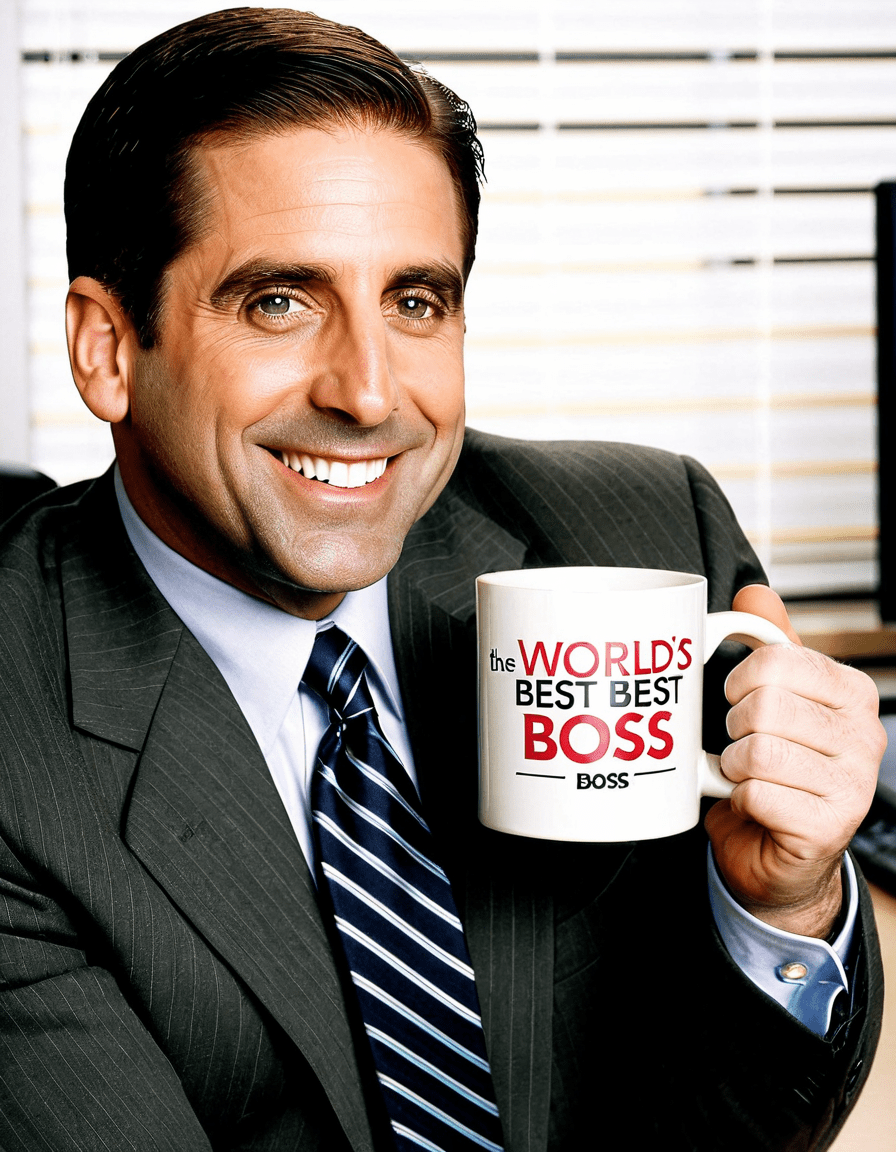
Michael Scott, the bumbling yet endearing regional manager of Dunder Mifflin’s Scranton branch, has become a cultural icon since the premiere of The Office in 2005. This character, portrayed with equal parts charm and chaos, stands as a beacon of what it means to lead in an unconventional fashion. Michael Scott represents a mix of foolishness and humanity, showcasing a leadership style that’s, quite frankly, one in a million. Unlike those stern authority figures dotted around corporate America, Michael embodies absurdity, vulnerability, and plenty of pure heart.
1. The Essence of Michael Scott: A Unique Leadership Style
Michael’s unorthodox methods paint the portrait of a boss unlike any other. Take, for example, his infamous “Dundie Awards” — a cringe-worthy yet charming way he tries to boost team morale. Sure, these awards often fall flat and leave employees rolling their eyes, but they speak volumes about his unyielding desire to connect on a personal level, don’t you think? His lack of conventional motivational tactics makes for a chaotic work environment, but one where everyone feels like part of a strangely functional family.
Then there’s his emotional insight. While he may misplay scenarios with hilarious results, Michael has an uncanny knack for picking up on his employees’ emotional needs. This rare quality allows him to foster a supportive atmosphere, albeit one characterized by a fair bit of disarray. Nowadays, as we rethink workplace dynamics, Michael’s blend of empathy and laughter shines through the clouds of corporate seriousness.
Last but certainly not least, the cultural impact of Michael Scott cannot be overstated. His famous quotes, peppered with humor and wit, represent a richer narrative about management and human relationships in the workplace. Many can relate to his wild musings and existential questions, and the way his words resonate with audiences confirms his status as a relatable figure in pop culture. Just ask anyone about Michael Scott and they’ll likely be able to recite a quote or two—fueling a collective nostalgia that adds vibrancy to today’s workplace experience.

2. Top 5 Memorable Michael Scott Quotes that Define Leadership
Michael Scott’s quotes are often cringeworthy yet somehow reveal surprising wisdom. Let’s dig into five of his most memorable lines that illustrate the quirks and insights of leadership he embodies:
These quotes aren’t just punchlines—they offer nuggets of wisdom wrapped in humor. Through laughter and plenty of awkward moments, Michael Scott invites us to reflect on leadership skills we all should aspire to develop.
3. Michael Scott vs. Larry David: A Study in Contrasting Leadership Styles
When dissecting leadership styles in comedic contexts, a comparison of Michael Scott and Larry David provides rich fodder. Both iconic characters highlight different perspectives on leadership and relationships in workspaces, painting a fascinating picture of human behavior.
First off, there’s optimism versus cynicism. Michael is a relentless optimist, fervently believing in team spirit despite the hurdles he faces. Conversely, Larry David’s charm often lies in his sardonic take on social interactions, reflecting a more jaded view of relationships. This juxtaposition highlights how leadership philosophies can significantly affect workplace dynamics.
Next, let’s chat about empathy versus detachment. Michael’s leadership revolves around emotional connectivity, allowing him to forge genuine bonds with his team. Larry David’s characters, on the other hand, often exist in a universe that’s self-serving, neglecting interpersonal ties. This difference demonstrates the profound impact personal connections have on workplace culture—a lesson that remains crucial today.
Finally, consider the overall workplace environments fashioned by Michael and Larry. Michael’s Scranton branch is a vibrant cacophony of laughter and occasional mayhem, while Larry’s universe often leans toward uncomfortable silences and social missteps. These contrasting styles contribute to our understanding of leadership, forming a lasting impact that resonates long after the credits roll.
4. Why We Relate to Michael Scott in 2026
As we maneuver through the intricacies of modern workplaces, one can’t deny that Michael Scott’s relatability resonates with us even more profoundly in 2026. The challenges we face today have shifted, creating a landscape where humor and empathy take precedence over traditional authoritative structures.
For starters, corporate entities are increasingly embracing diversity in leadership styles. Michael Scott’s quirky, emotionally intelligent approach stands in stark contrast to the often rigid corporate ladder, making him all the more relevant in a professional world that values mental health and employee well-being.
Moreover, workplace culture is transforming rapidly, reflecting trends toward remote and hybrid work. The need for connection has skyrocketed, and a flawed leader like Michael serves as a stark reminder that leadership often resides in our humanity—not in being perfect.
Finally, as we navigate economic uncertainty and global crises, Michael’s enduring optimism serves as a beacon of hope. His character teaches us that even in tumultuous times, humor can provide a cushion against stress, reminding us that we can tackle challenges together with a light heart.
5. The Lasting Legacy of Michael Scott: Lessons for Today’s Leaders
Michael Scott’s impact on pop culture and contemporary leadership dynamics can’t be underestimated. Today’s leaders have an array of lessons to draw from his character, ensuring his legacy continues to resonate with modern audiences.
Authenticity reigns supreme in effective leadership. Michael’s sincere personality, tinged with quirkiness, fosters trust within his team. In a professional world where authenticity is prized, the stories revolving around Michael Scott reinforce that genuine connections triumph over facades.
Next, flexibility in leadership styles proves vital. Michael’s chaotic journey demands adaptability; similarly, today’s leaders must shift gears between directing and supporting as situations warrant. This flexibility is crucial to fostering a dynamic work environment.
Finally, don’t underestimate the power of humor. Michael reminds us that laughter can alleviate workplace tension and foster a positive atmosphere. Just as his antics often leave us in stitches, leaders today can employ humor as an effective tool for engagement.
In navigating the challenges of leadership, Michael Scott is our guiding star, illuminating the path toward becoming relatable, resilient, and emotionally intelligent team players. His presence graces our screens, genuinely inspiring us to laugh, learn, and grow. Even in 2026, it’s clear: Michael Scott is the boss we all love—and that’s forever going to be something to celebrate.
Explore more engaging content at Paradox Magazine. For a dive into the youthful classics like Mean Girls, check this out here. If you feel adventurous, indulge in the scenic beauty around Patapsco State Park. Want a different culture fix? Discover thrilling activities in El Paso, detailed here. Or catch up on what’s buzzing with Chainsaw Man Season 2 here.
Just as Larry Hagman defined charm and charisma, so does Michael Scott, proving that as we wear our quirks proudly, we can still lead effectively. The lessons imparted by characters like Michael and Larry guide us toward how we can navigate our own workplaces, sprinkle some joy, and strive for impactful leadership. If you want more insights from great personalities like David Mitchell, find it here. And as always, don’t forget about more timeless moments from the iconic talent of Jeff Cohen and the legendary Tom Brady, both of whom never fail to leave their imprints on history.
Michael Scott: The Iconic Boss We All Love and Laugh At
Trivia Time: The Man, The Myth, The Boss
Did you know Michael Scott, the hilariously clueless boss from The Office, is based in part on the real-life experiences of the show’s creator, Greg Daniels? This connection gives Michael Scott a touch of authenticity, even amidst his spectacular blunders. Speaking of sports, did you know that Steve Carell famously improvised the iconic “That’s what she said” line? Much like how Tombrady has a knack for making the big play, Carell’s ad-libs really drove the humor of the show home.
Here’s a fun tidbit: Michael’s love life is as complicated as any soap opera. He once declared bankruptcy not by losing money, but by yelling, “I DECLARE BANKRUPTCY!” It’s a classic Michael moment, capturing his knack for misunderstanding serious situations. The show juggles these surreal moments of humor while introducing relatable storylines, akin to the bittersweet narratives of someone who ends up as a missing person when they find themselves lost in the chaos of life—just like Michael sometimes did at Dunder Mifflin.
Quirky Facts About Michael Scott’s World
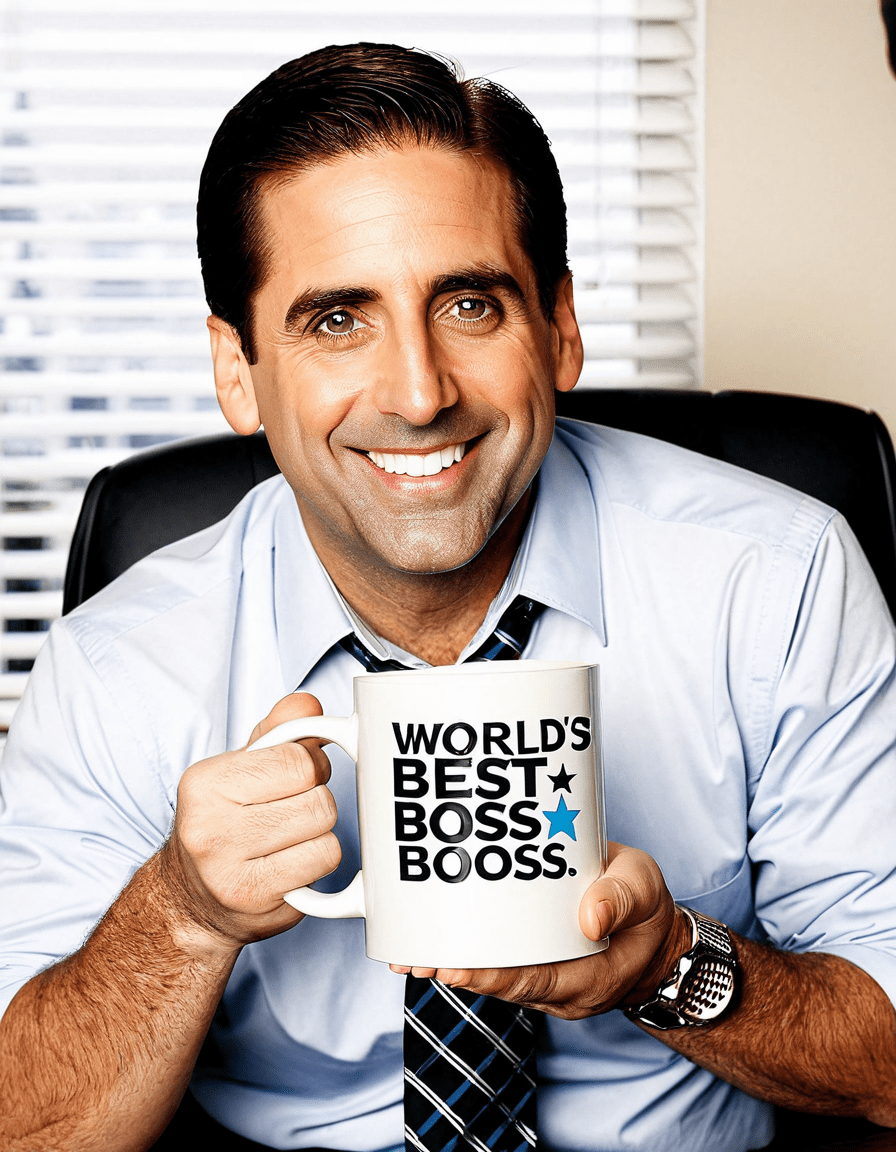
Michael Scott is a true pop culture phenomenon. His infamous “World’s Best Boss” mug actually symbolizes more than his misguided attempts at leadership; it’s a reminder of his relentless optimism despite facing constant setbacks. Just think how many employees dread Mondays; Michael’s upbeat spirit? It’s contagious! If only we could all be fearless like him in our endeavors—who wouldn’t want to emulate a boss whose most memorable work advice was “You miss 100% of the shots you don’t take?” That line, often misattributed, resonates beyond office walls, echoing the sentiments of athletes and dreamers alike.
On another note, did you know the show alludes to the harsh realities of office life while simultaneously wrapping them in humor? It sparks a unique conversation about leadership and friendship, making it easier to digest the trials and tribulations faced in workplaces everywhere. Just like your favorite team, sometimes you’ve gotta rally together and push through! Michael Scott definitely embodies that spirit, leading his team to both laugh and cringe at life’s unpredictability.