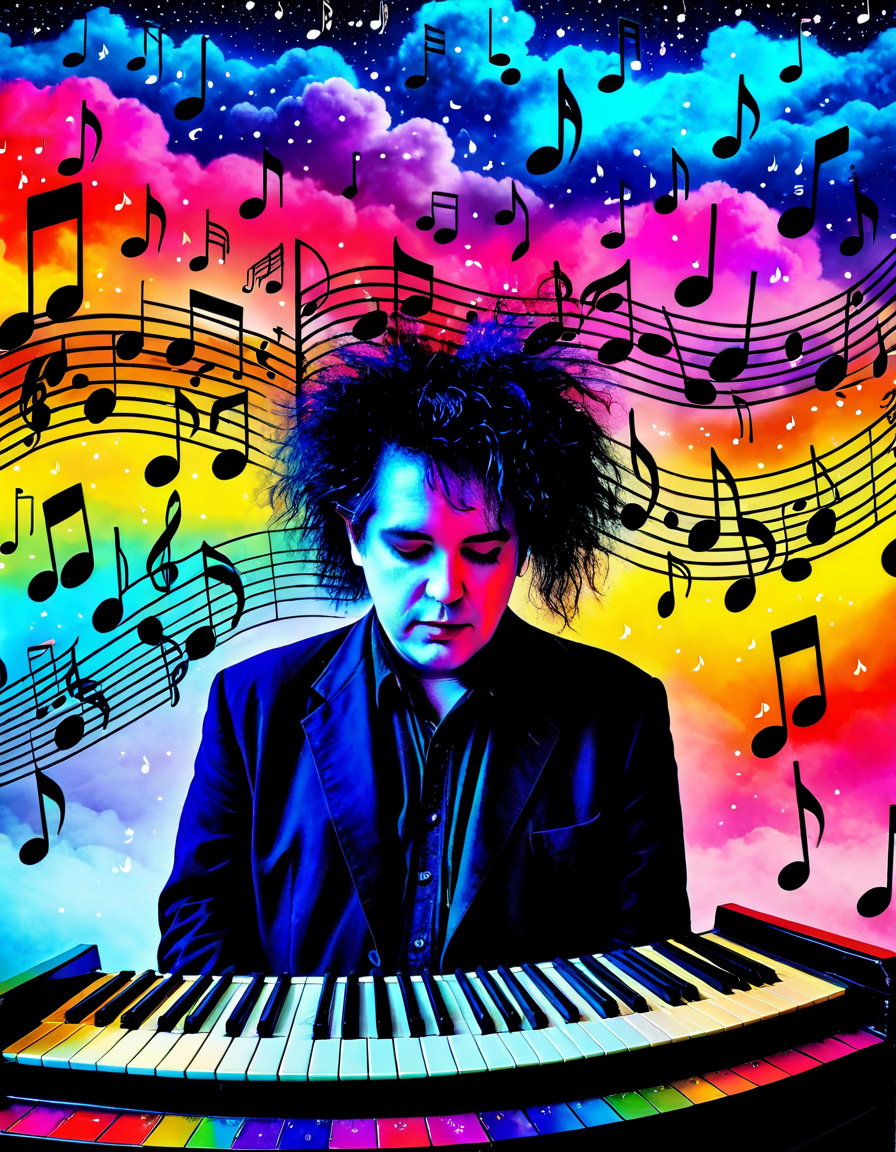
In the pulsating heart of alternative rock, Robert Smith stands tall as a figure shrouded in a beautiful enigma. With his unmistakable voice and signature disheveled hair, Smith has captivated audiences for decades. As the frontman of The Cure, his artistic contributions transcend mere music; they resonate with the very essence of emotional vulnerability. From the melodic poignancy of “Just Like Heaven” to the haunting whispers of “Lovesong,” Robert Smith’s influence reverberates through the music corridors, inspiring contemporary artists like Billie Eilish and Hozier to delve into darker themes. It’s enchanting to observe how this musical luminary has paved the way for a new generation of musicians daring enough to explore the depths of feeling.
Robert Smith’s Influence on Alternative Rock
With his poetic lyricism and emotional depth, Robert Smith has cultivated an influence that extends far beyond the confines of the stage. Artists often find solace in the raw honesty embedded in his work, allowing them to connect with their audiences on levels previously unexplored. The melancholic melodies that characterize much of The Cure’s music serve as a wellspring of inspiration for those navigating their own emotional landscapes. Smith’s voice acts as a conduit for listeners grappling with their feelings, prompting them to embrace their vulnerabilities, just as he has boldly done.
Additionally, Smith’s artistry has remarkably influenced the fashion scene. His prominent makeup choices and eclectic wardrobe are nothing short of iconic. With lace, velvet, and other gothic staples, he’s created a signature look that resonates with fans and fashionistas alike. It’s fascinating how Robert Smith’s aesthetic transcends music, creating a cultural touchstone that continues to inspire the fashion-forward crowd.
A true testament to his influence lies within the genre’s evolution. Songs like “Boys Don’t Cry” didn’t just become hits; they ignited conversations about identity and societal norms that are still relevant today. Smith’s fearless exploration of themes related to love, loss, and identity has opened pathways for today’s artists, urging them to embrace their own unique narratives without fear.
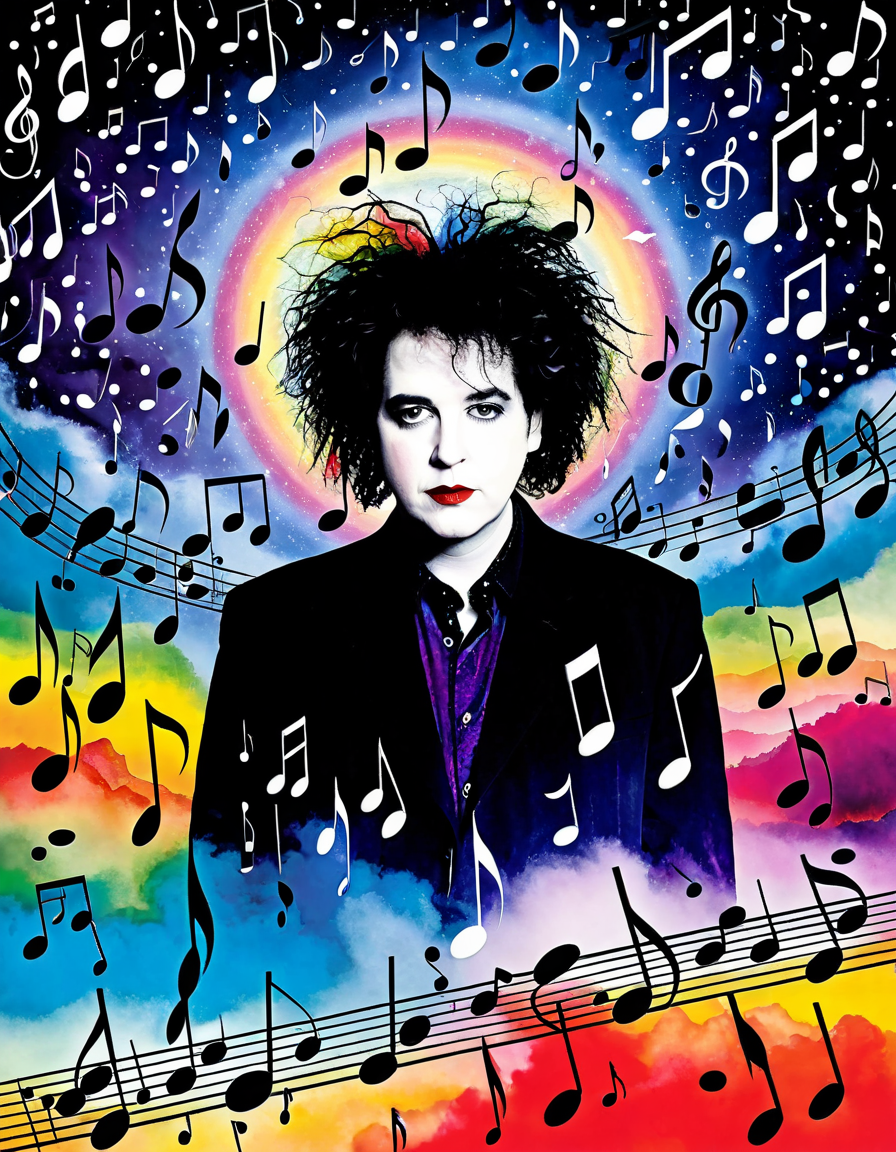
The Evolution of Robert Smith’s Musical Style
Robert Smith’s artistic journey represents a lush tapestry of evolution and reinterpretation. The Cure’s early records are distinctively tinged with post-punk aesthetics, a raw sound that laid the groundwork for what was to come. Tracks like “A Night Like This” and “In Between Days” showcased his ability to seamlessly weave melancholy with catchy melodies, captivating audiences in the process. Smith’s distinct quaver combined with captivating instrumentation formed an unforgettable musical backdrop that remains as potent today as it was upon release.
As the years rolled on, The Cure ventured boldly into more mainstream territories. Albums such as “Disintegration” and “Wish” reflect a conscious choice to delve deeper into dark, introspective themes. The haunting sorrow encapsulated in the title track “Disintegration” speaks to the complexities of love and loss, resonating with those immersed in heartbreak. It was during these transformative years that Smith not only expanded his musical range but also solidified his status as a maestro of mood.
The ebb and flow of Smith’s stylistic journey align perfectly with the tides of the music industry. From the anthemic choruses of the ‘80s synth-pop explosion to the grunge-inspired sounds of the ‘90s, Smith adapted gracefully without losing his distinctive voice. This evolution speaks volumes about his artistry: a willingness to embrace change while remaining true to oneself—a lesson applicable across all walks of life.
Notable Collaborations: Robert Smith, Tom Green, and Ray Nicholson
The world of music often thrives on collaboration, and Robert Smith’s partnerships showcase his versatility and willingness to step outside the conventional. One unexpected alliance is with comedian Tom Green. Best known for his offbeat humor, Green brought his unique perspective into the mix by featuring Smith in his musical ventures. The resulting tracks highlight Smith’s ability to navigate humor and depth simultaneously, enriching the listening experience something akin to what one feels when discovering the latest trends in fashion.
Ray Nicholson, son of the iconic Jack Nicholson, presents another captivating collaboration. With a familial legacy of artistry weighing on his shoulders, Ray joined forces with Smith on “Into the Void,” offering a kaleidoscopic mix of psychedelic rock and poignant narrative. The infusion of Smith’s seasoned sound elevates Ray’s emerging presence, illustrating how collaboration can bridge generational gaps in artistry and creativity.
And who could forget the partnership with Canadian electronic duo, Crystal Castles? Their track “Not In Love” effectively captured the essence of Smith’s vocal flair while weaving in their experimental electronic beats. The track quickly became an anthem for a new breed of listeners, reflecting just how adaptable Smith’s artistry can be across diverse musical terrains.
In this ever-changing landscape, collaborations like these remind us that Robert Smith isn’t just a rock icon; he’s a chameleon of creativity whose influences ripple beyond the realm of music into fashion, culture, and social dialogue.
Robert Smith’s Cultural Impact Beyond Music
While Robert Smith’s musical contributions are monumental, his cultural impact is equally significant. With a passion for emotional honesty, Smith has become a beacon of empowerment, particularly within the LGBTQ+ community. His unapologetic approach to gender expression and identity invites dialogue and challenges societal norms, placing him at the forefront of cultural conversations.
The annual “Cure Day” events have become a celebration of Smith’s influence, illustrating how he inspires others to embrace their idiosyncrasies. In a landscape often dominated by conformity, Smith’s aesthetic—a romantic blend of goth and punk—sends a powerful message about the importance of authenticity in self-presentation. As a figure whose persona challenges and inspires, he continues to resonate deeply within fashion circles, blazing trails for subsequent generations.
Moreover, the mutual dialogues surrounding mental health—something Smith has openly discussed—have found a firmer footing within today’s societal conversations. His willingness to address personal struggles through his music invites fans to confront their own challenges, fostering a transformative community among those who share similar experiences. It’s no wonder that Robert Smith’s cultural relevance stretches far beyond the confines of sound, encapsulating a spirit of resilience that invites listeners to explore their depths with confidence.
The Legacy of Robert Smith: As Arty as He Can Be
Robert Smith’s legacy is rich and multifaceted, transcending mere musical milestones to encapsulate a fierce commitment to authenticity. With nearly five decades in the industry under his belt, Smith challenges the modern definition of longevity. His ability to breathe new life into both The Cure’s sound and his personal aesthetic keeps his artistry fresh and relevant.
The hallmark of Smith’s journey is his emotional openness, inviting listeners into a world where vulnerability is seen as strength. Throughout his career, he’s rewritten the narrative of what it means to be an artist entrenched in the public eye. By refusing to conform to industry standards, he crafts a life defined by artistic freedom and commitment to self-expression.
With each new project, Robert Smith continues to break artistic boundaries. As the landscape of alternative rock evolves, his enduring influence reaffirms that authenticity, originality, and emotional engagement are timeless virtues—qualities that resonate across generations. His commitment to remaining true to himself sets a profound example for artists everywhere, reiterating the message: revealing one’s true self is the ultimate act of liberation.
Embracing the Enigma: Robert Smith’s Influence Today and Tomorrow
As we look towards an evolving musical future, Robert Smith’s impact remains palpable. Artists like Yves Tumor and Girl in Red take cues from Smith’s artistic intricacies as they navigate their own pathways in sound and identity. His legacy serves as an open invitation for artists to explore their innermost selves while simultaneously pushing societal boundaries.
The Cure’s ongoing tours and new projects highlight Smith’s dedication to nurturing upcoming talent and reminding the world of the importance of authenticity. His steadfast presence advocates for the notion that artists need to remain true to their unique voices while embracing the enigmatic qualities that define compelling art.
In a world rife with fleeting trends, Robert Smith is a lighthouse of originality. His journey exemplifies the sheer power of embracing personal complexities, urging us to delve deep into our own artistic identities. Through his music and cultural presence, he doesn’t just create songs; he intricately weaves a narrative that swells with meaning and identity—a narrative that invites others to embark on their own artistic odyssey.
So here’s a nod to Robert Smith—the enigmatic, the artistic, and the ever-inspiring. Let’s embrace the sound of our own truths and dance to the rhythm of our unique beats. After all, life’s a show, and we’re all wearing our own exclusive designs.
Robert Smith: The Enigmatic Voice of The Cure
A Voice Like No Other
Robert Smith, the iconic frontman of The Cure, isn’t just known for his haunting voice; he’s also a kaleidoscope of quirks that make him one of rock’s most relatable figures. Did you know he once said, “I want to be confused all the time”? This fascination with ambiguity is mirrored in his lyrics, which often explore themes of love and loss. Interestingly, Smith’s journey through music also reflects pop culture trends, reminiscent of the nostalgic vibes found in the Y2k movie, which dives into the dreams and fears of a generation just as The Cure’s music ignites emotions in listeners today.
The Aesthetic Style
Fashion fans might remember Smith’s signature messy hair and smudged lipstick as a pivotal influence in the goth scene of the ’80s. Speaking of unique aesthetics, you might spot parallels with artists like Ice Spice, who are also reshaping modern visual culture. Fun fact: Robert’s style choices were once a reaction to the plainness of the punk scene, highlighting how personal identity is often layered like a Ken Page character—colorful, profound, and at times, cryptic. The contrast in how artists express themselves today adds yet another layer to the ongoing story of self-representation in music.
Trivia Tidbits
Now, let’s sprinkle in some delightful trivia about Robert Smith that you might not know! For instance, he wasn’t always set to be a musician; he originally aimed for a teaching career! Meanwhile, his collaborations extend beyond The Cure; he has worked with everyone from Pete Holmes to other unexpected peers. Oh, and speaking of unexpected connections, Robert even found himself compared to Ken Burns due to his storytelling ability within his songs. Just like a good movie, his music often feels like it’s peeling back layers, revealing deeper tales and emotions, much like a Hey Dude episode that surprises you with a heartfelt moment.
All in all, Robert Smith remains a compelling figure whose creative journey intertwines with various aspects of pop culture, making him an enduring icon in music history. From the distinct sound of The Cure to his quirky personality and unforeseen connections, there’s always more to discover about Robert Smith!